 Skip to main content Skip to footer
Ashtanga Yoga Teacher Training · Morjim, Goa
Ashtanga Yoga Teacher Training in Goa — 100 or 200 Hours.


Recognition → Practice → Possibility
Not simply a sequence.
A way of paying attention.

Why Ashtanga?
The sequence stays.
You don’t.
Returning to a structured sequence creates a particular kind of attention. Familiar postures reveal something different as strength, mobility, breath, focus and self-awareness evolve.
The point is not simply to repeat the sequence. It is to understand what repetition can teach — about movement, attention, effort, adaptation and eventually, for those who choose it, guiding others.




Different intentions.
One committed practice.
The Ashtanga Beginner
The Serious Practitioner
The Aspiring Teacher
The Personal Explorer
The Learning Experience
The practice, understood
from more than one angle.
Ashtanga Primary Series
Ashtanga Workshops
Vinyasa Movement
Anatomy in Movement
Pranayama & Meditation
Philosophy & Inner Practice
Teacher’s Panel
Madhup Srivastava
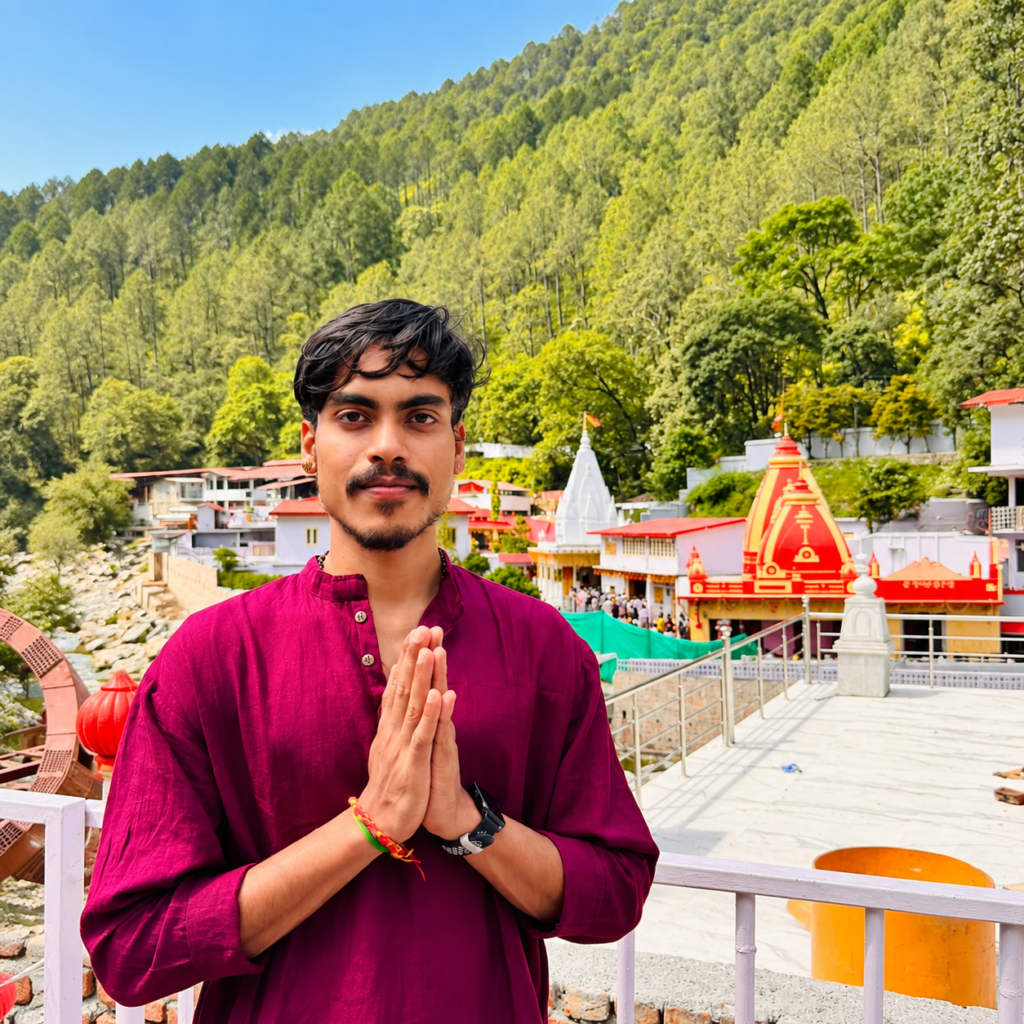
Amarjeet Ranjan
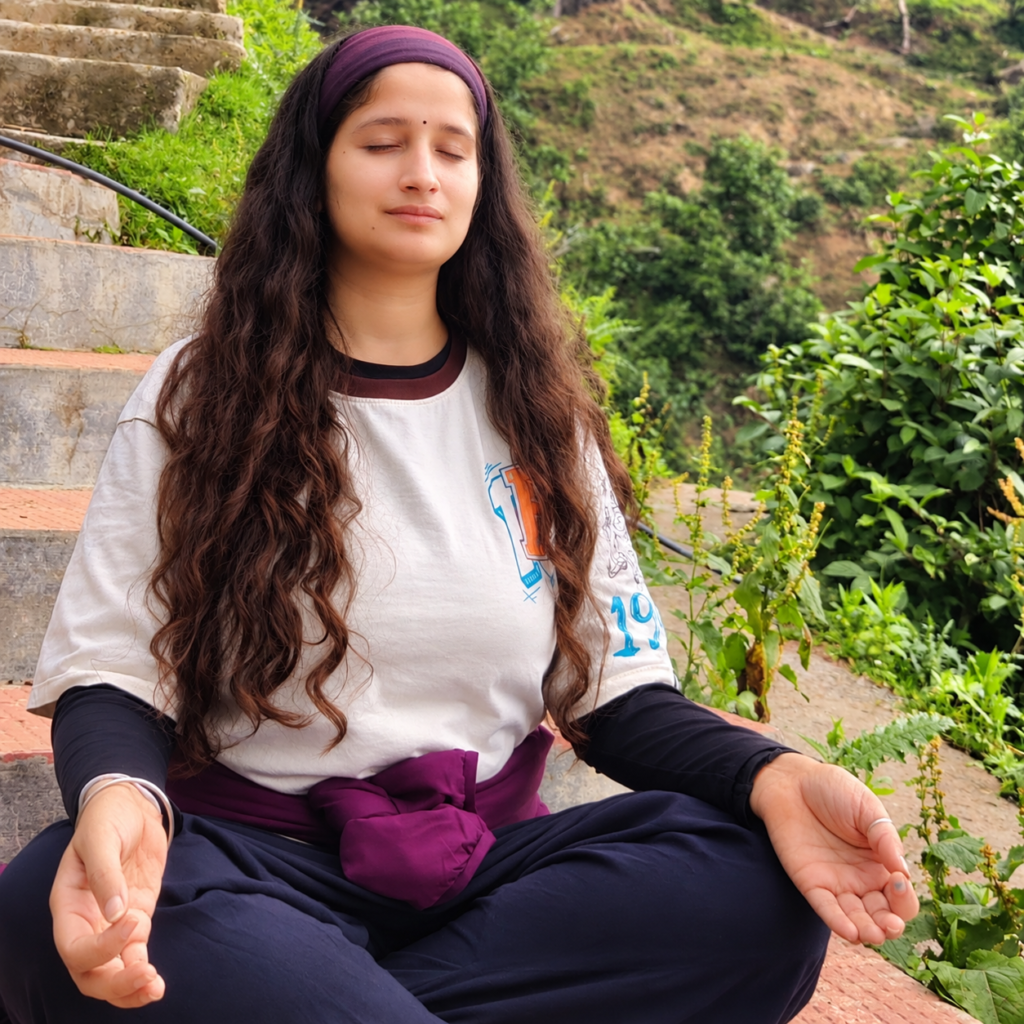
Gauri Mehra
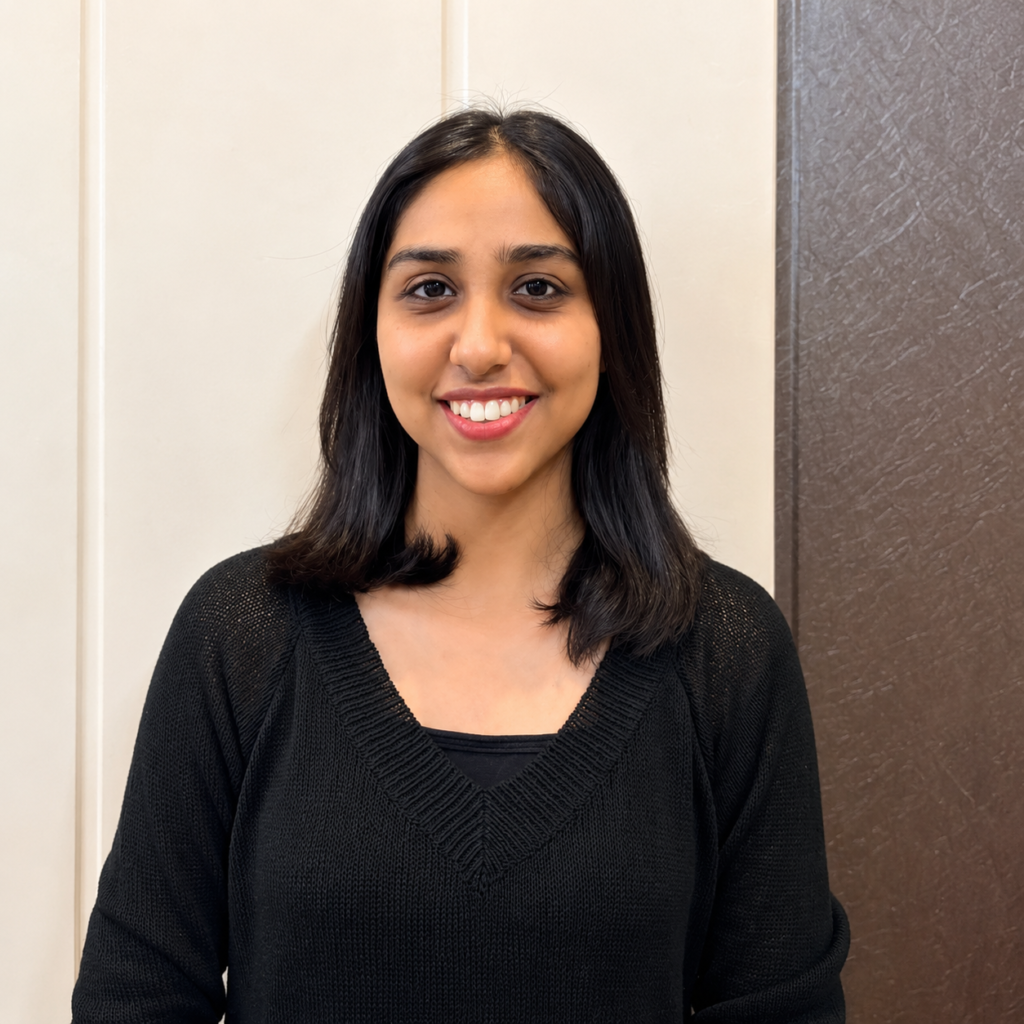
Angel Kaushik
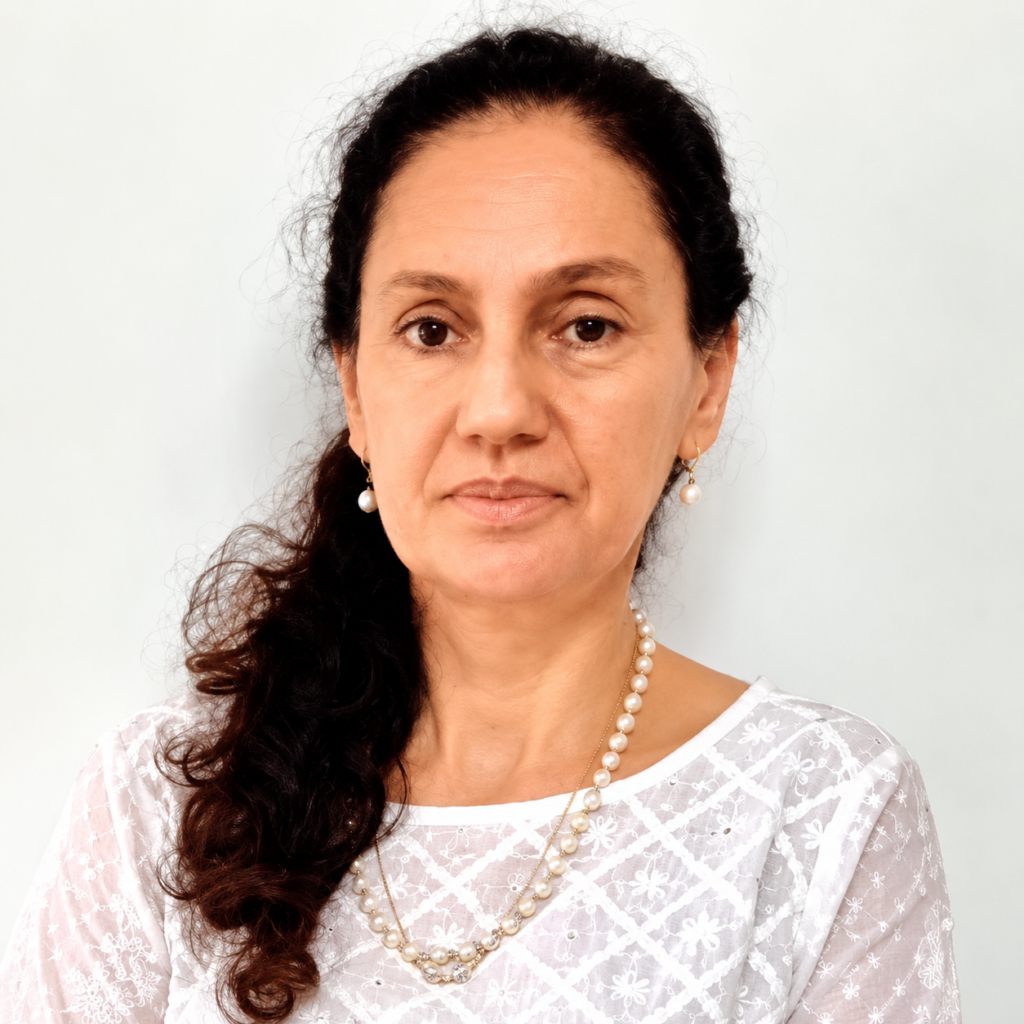
Ma Prem Kalu
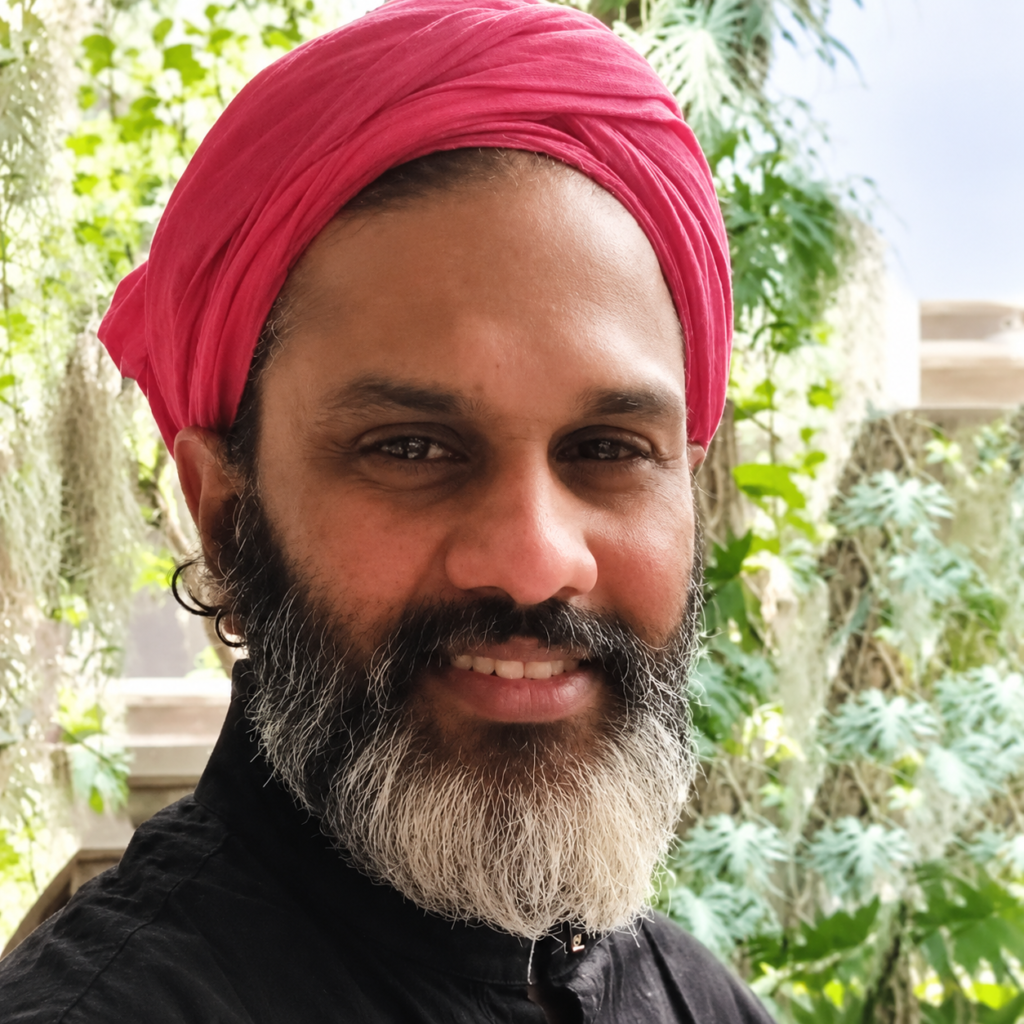
Naren JI
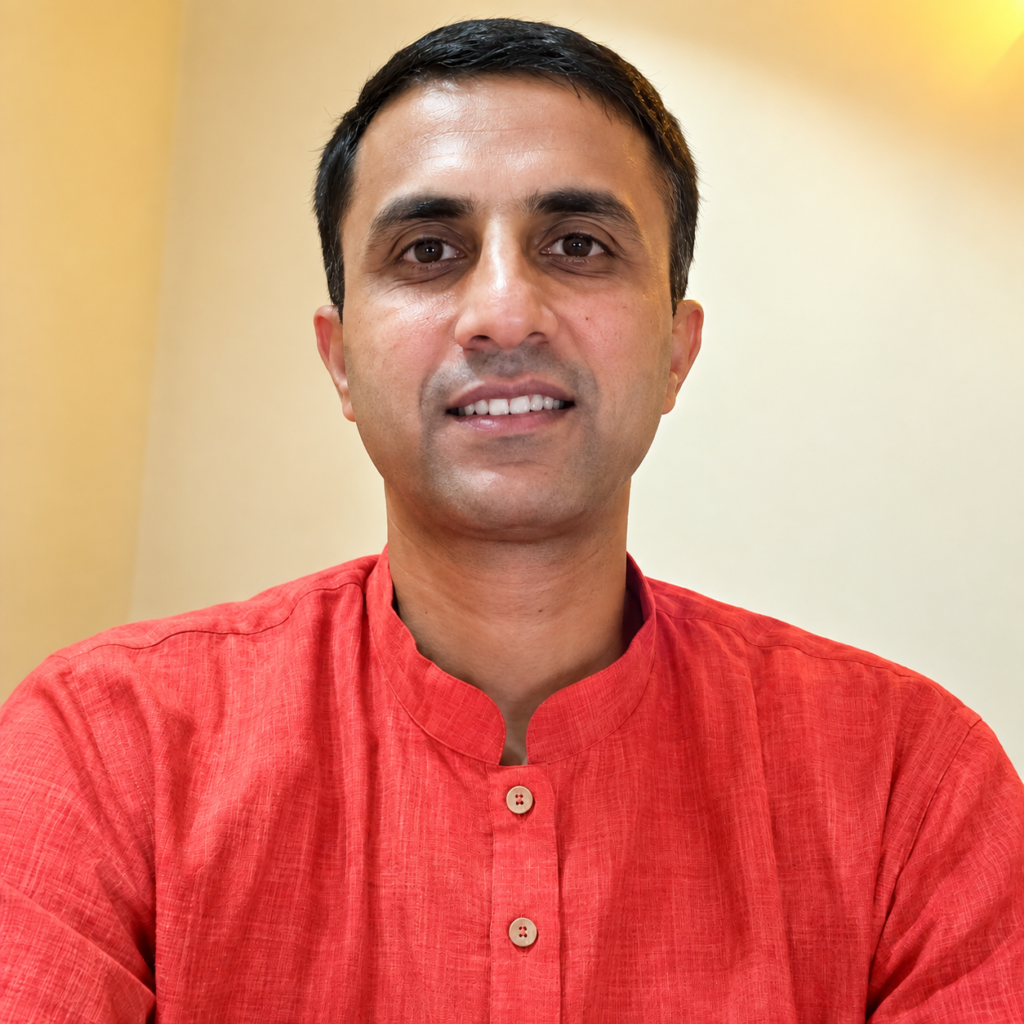
Girish JI
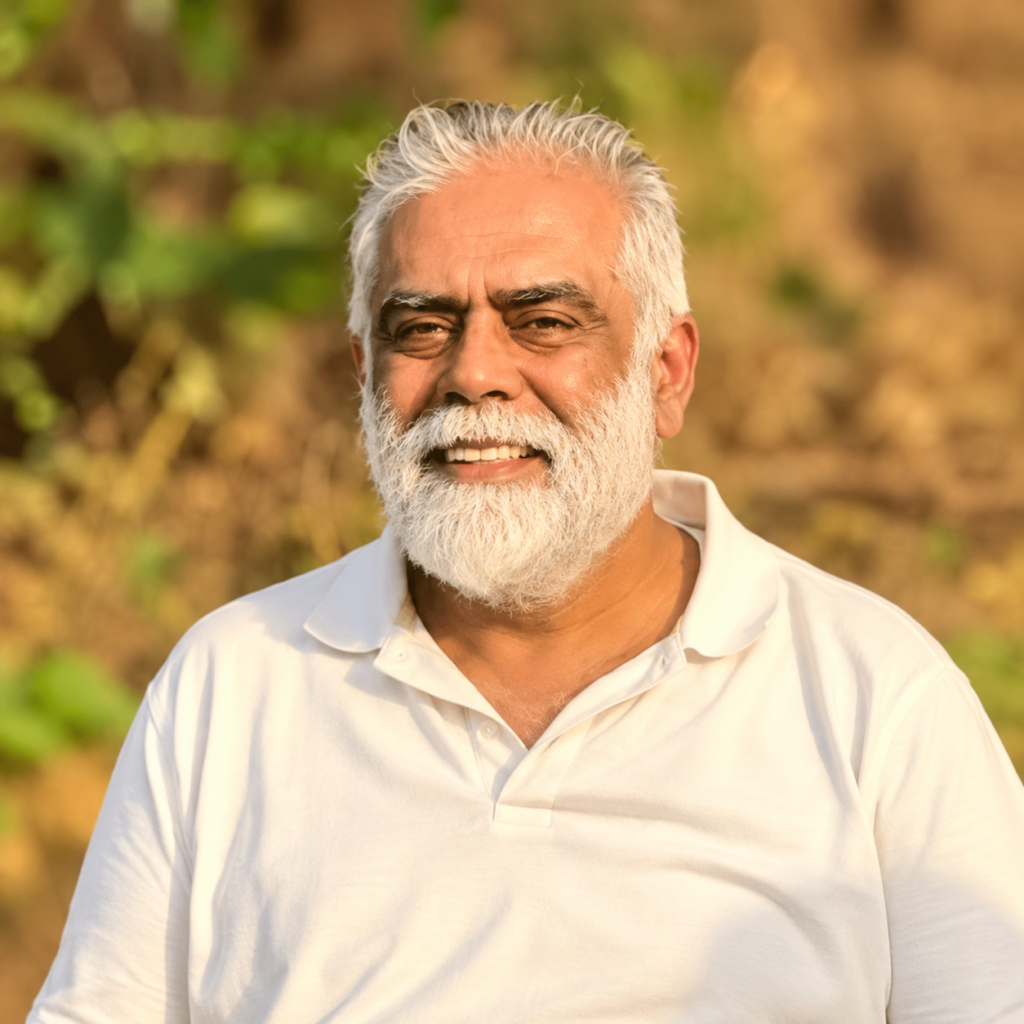
Swami Krishna Saraswati
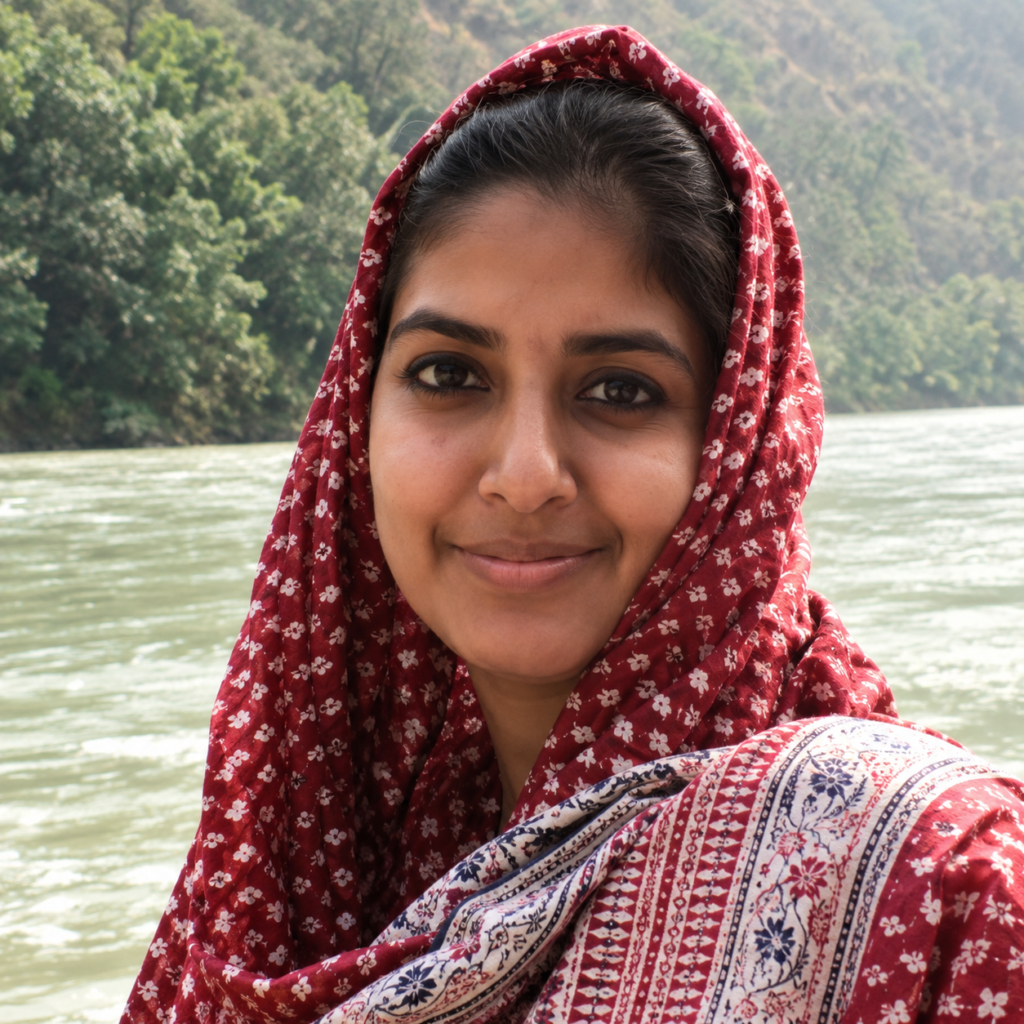
Varsha Ji
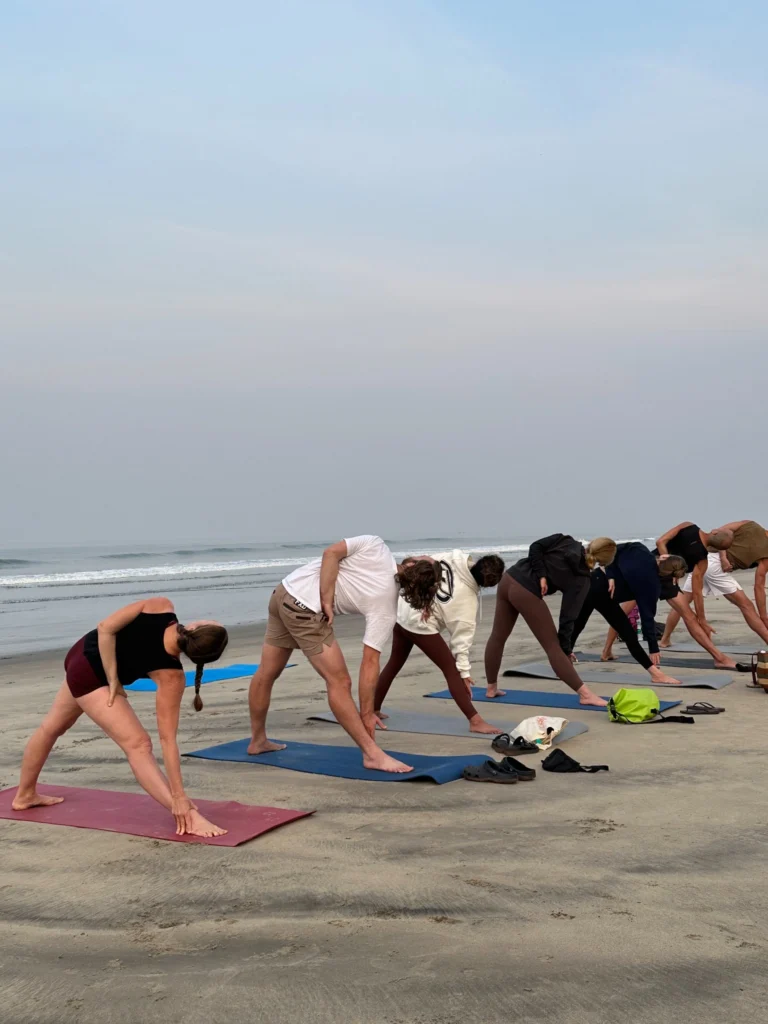
Days 1–11 · The Shared Foundation
First, establish
what you can return to.
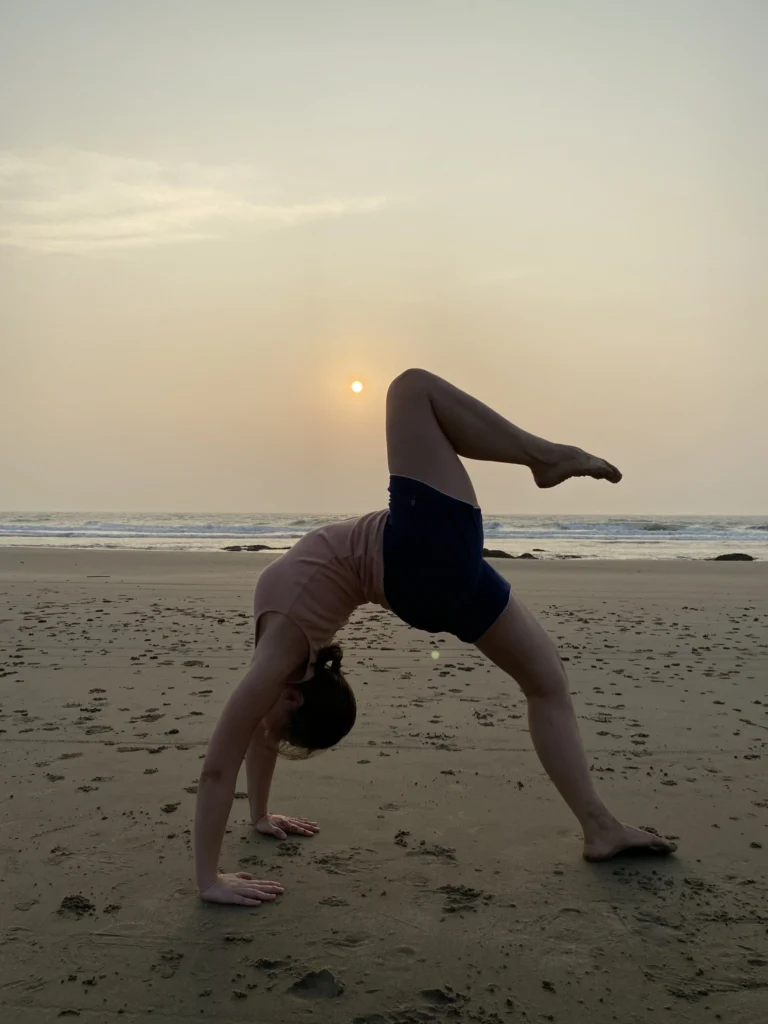
Days 12–23 · The Continuation
The foundation stays.
The responsibility grows.


Daily Rhythm
One rhythm.
Shared from the beginning.
Begin in the body.
Look more closely.
Leave room to absorb.
Bring understanding back into practice.
Let the day settle.
A committed practice needs
the right environment.
Guided in Person
A Place to Go Deeper
Beyond Asana
Space to Integrate

My work isn’t to be in every room. It’s to make sure what happens in every room is worth your time.
Swami Anand Jiska
Goa & Campus
Space for practice.
Space for what follows it.

Student Voices
Trusted by people.
Carried beyond the course.
Larissa said she left with a new understanding of what yoga actually is — practising Hatha, Ashtanga Vinyasa and Yin across the training, alongside real self-reflection. She called it a huge chapter in her life and said she felt safe and comfortable from day one.

This graduate’s 200-hour training combined Hatha, Ashtanga, meditation, philosophy and pranayama in what she called a genuinely authentic way — and described the whole experience as truly transformative.
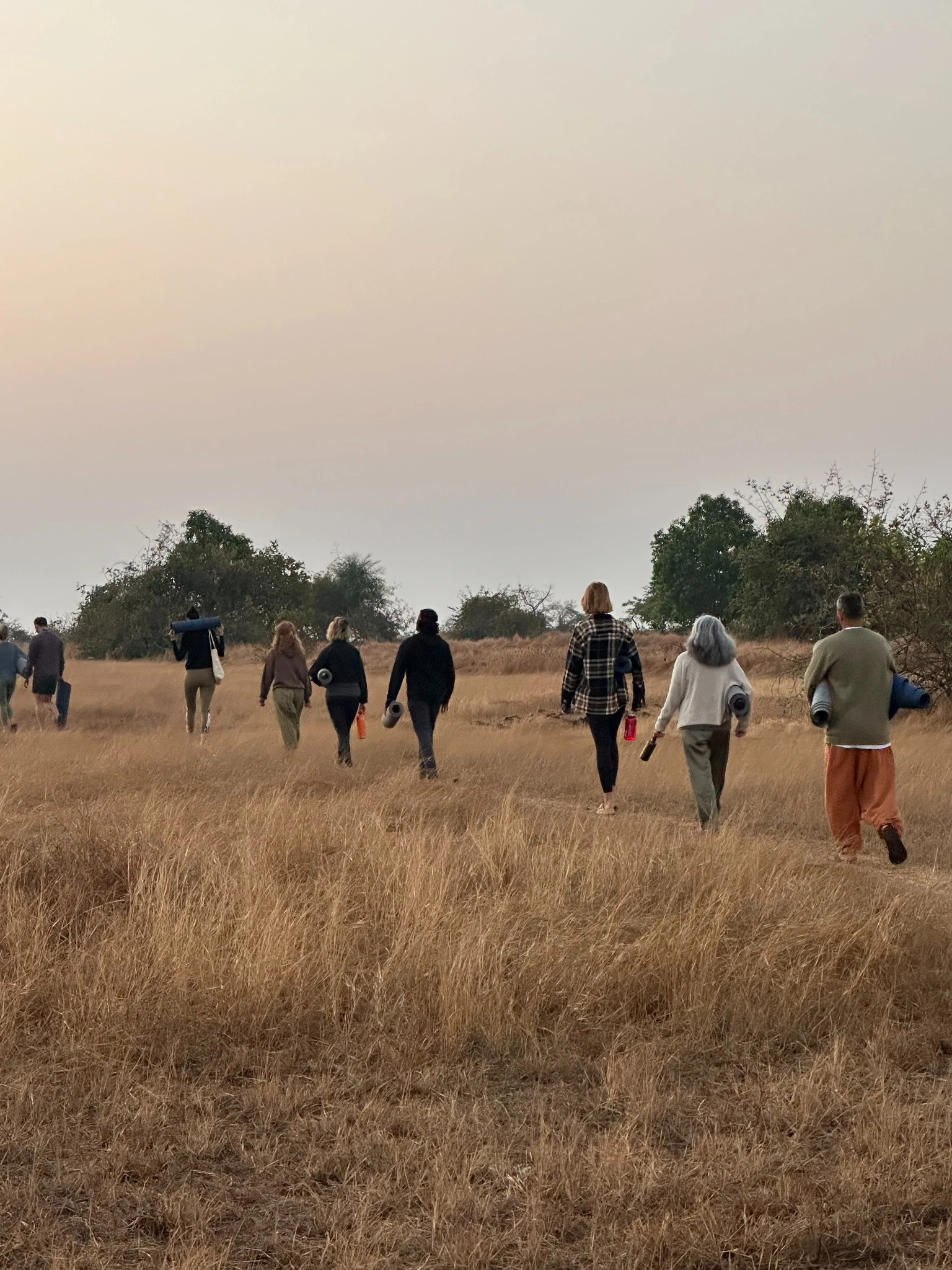
Based partly on-site in the jungle with ocean views, this graduate praised the teachers as knowledgeable and supportive, and said the whole atmosphere felt warm, like family — an experience she said she’ll always remember.

Enrol in your cohort
Dates & investment
Twin Share
Triple Share
Private Room
Twin Share
Triple Share
Private Room
Everything you need to know
Planning your journey
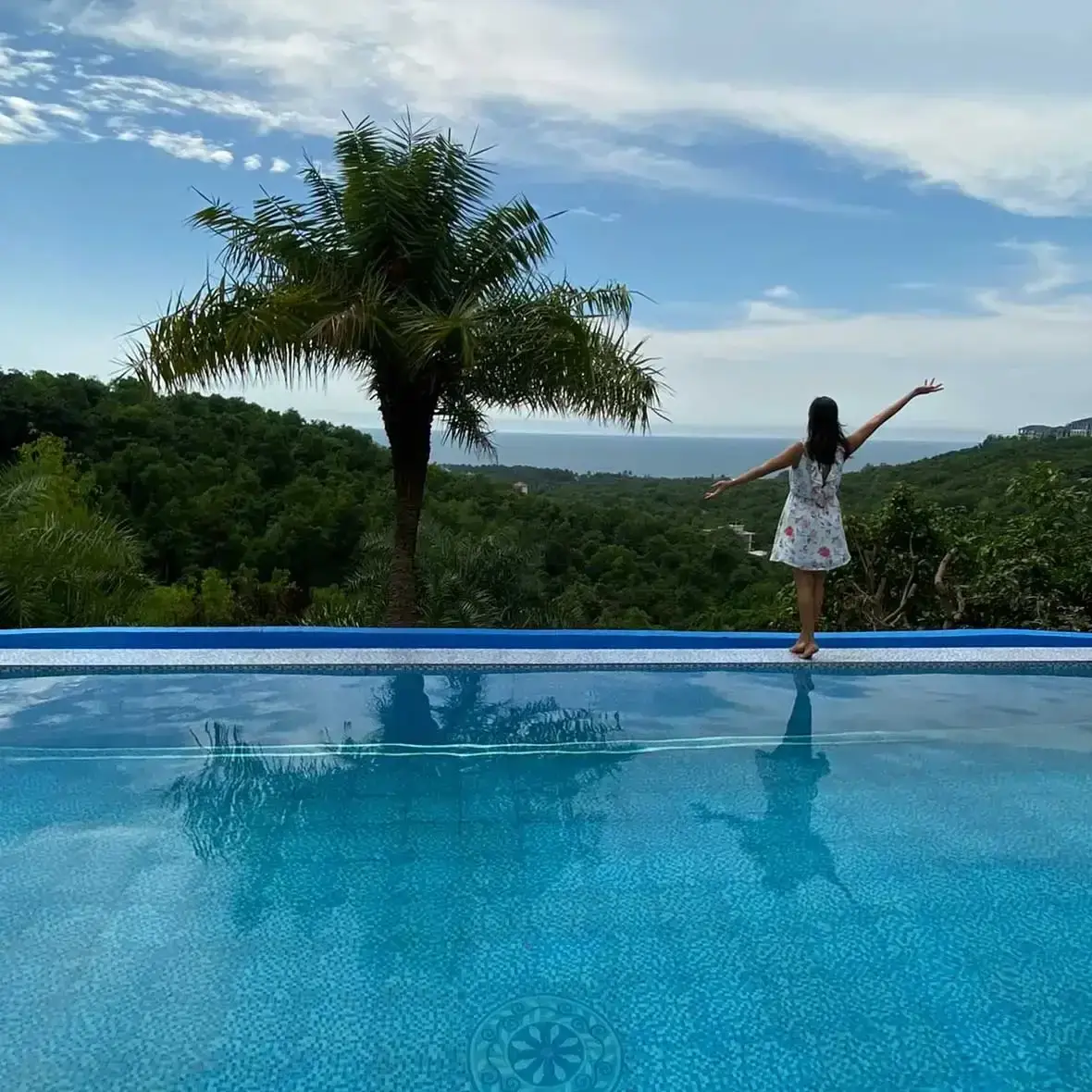
Your journey begins here.



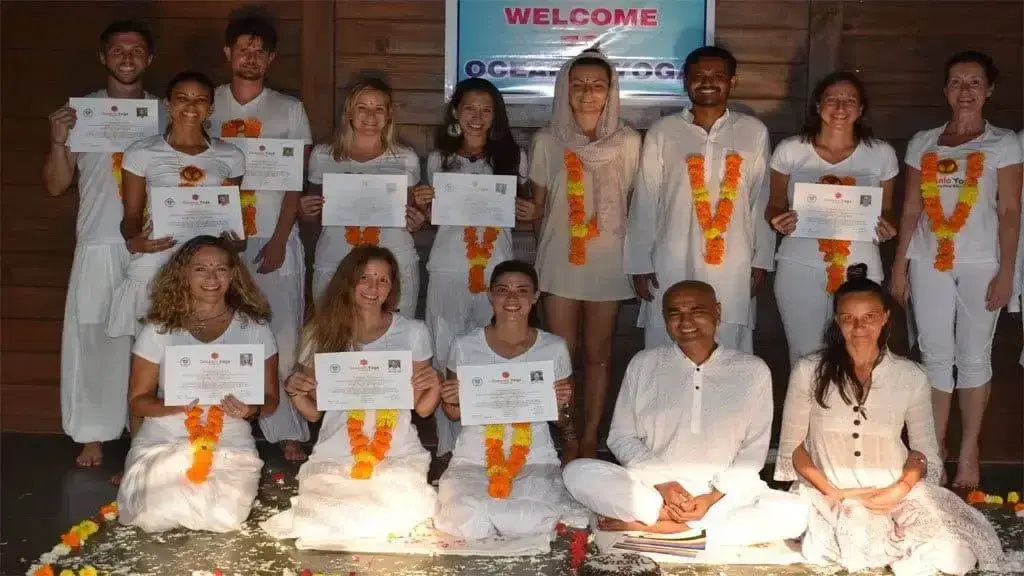
Live close to the practice.
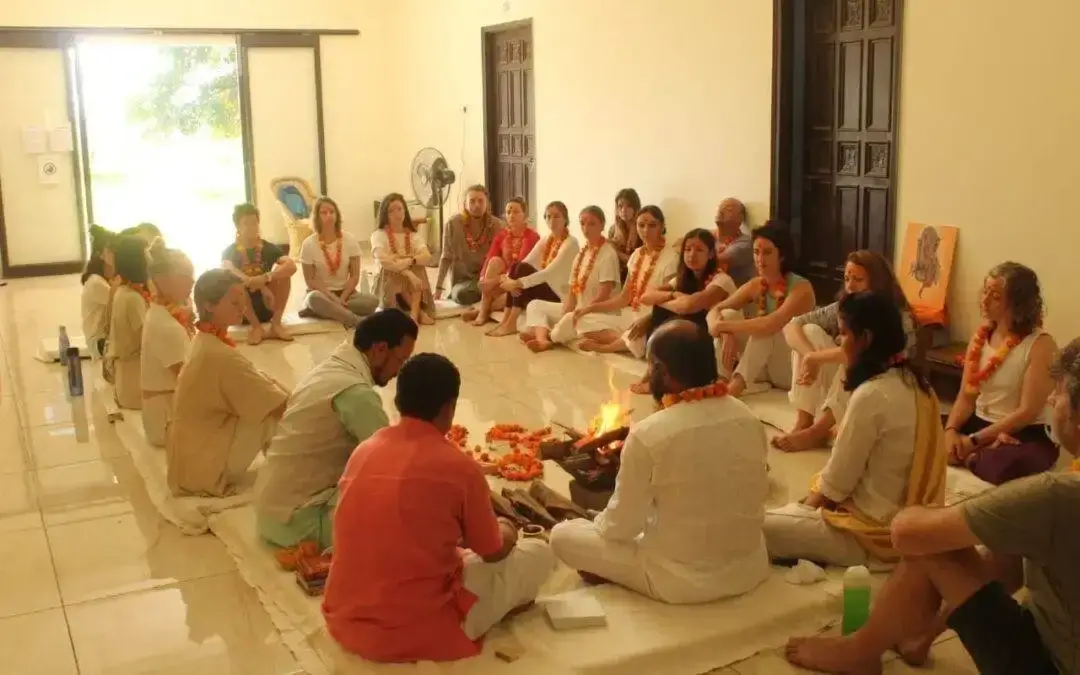
Choose the depth that fits.
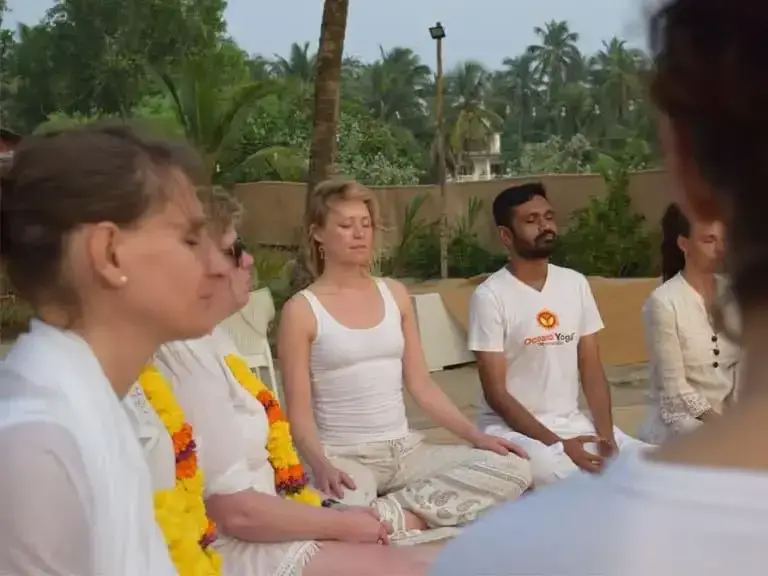
Serious training, human guidance.
Bring less. Arrive prepared.

FAQ · Ashtanga at Oceanic
Questions before you choose.
Does Oceanic Yoga offer both 100-hour and 200-hour Ashtanga teacher training?
Yes. Oceanic offers two Ashtanga pathways on this page: an 11-day 100 Hour foundation and immersion, and a 23-day 200 Hour Ashtanga & Vinyasa teacher-training pathway.
What is the difference between the 100 Hour and 200 Hour Ashtanga courses?
The first 11 days build foundations in the Primary Series, philosophy, pranayama, meditation, anatomy, Vinyasa introduction and teaching fundamentals. The full 200 Hour journey develops these areas further with deeper Ashtanga work, Vinyasa Drills, Flow and sequencing, anatomy in movement, teaching methodology and practicum.
Should I choose the 100 Hour or 200 Hour Ashtanga training?
Choose 100 Hours if you want a shorter immersion, stronger foundation or time to explore the teaching path. Choose 200 Hours if you want a more complete teacher-training pathway with greater practice, sequencing and teaching depth.
Can I join mainly for personal growth rather than to become a teacher?
Yes. Both duration options can support committed personal practice and self-exploration. The 200 Hour programme contains substantially more teacher-training work, while the 100 Hour pathway is particularly suitable for a shorter foundation and immersion.
What certification do I receive?
Graduates receive a complimentary lifetime membership as a Registered Yoga Teacher with the International Yoga Association. You also have the option to separately register with Yoga Alliance at the corresponding hour level, which is accepted by yoga studios and schools worldwide.
What is the Ashtanga primary series?
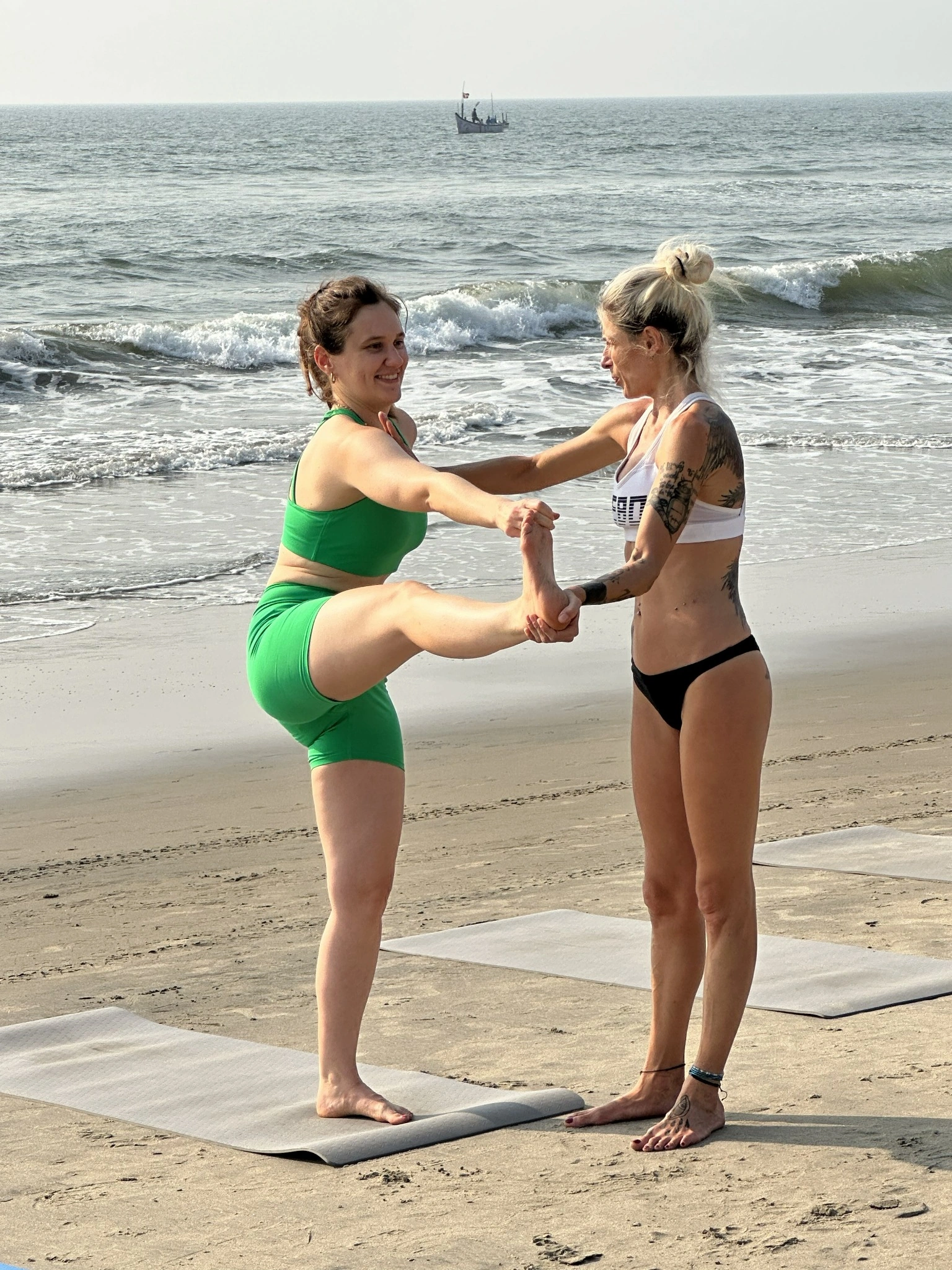
The primary series, Yoga Chikitsa, is the traditional opening sequence of Ashtanga yoga — sun salutations, standing poses, seated poses and finishing postures linked by vinyasa. The training breaks it down pose by pose, with technique and hands-on adjustment.
What is Mysore style practice?
Mysore style is the traditional way Ashtanga is taught — everyone practises the series at their own pace in the same room, while the teacher moves through giving individual guidance and adjustment.
Do I need previous Ashtanga experience?
No. Previous experience is helpful but not essential. The training develops the practice progressively through repetition, alignment, breath, corrections, modifications and focused study.
Do I need to know the full Primary Series?
No. You do not need to arrive knowing the complete Primary Series. The course works progressively with Primary Series postures and the principles behind the Ashtanga Vinyasa method.
What will I study in Ashtanga?
You study Primary Series postures, Sun Salutation A and B, breath, bandhas, alignment, corrections, modifications and the principles behind the Ashtanga Vinyasa sequence.
Is Ashtanga too physically demanding for beginners?
Ashtanga is physically engaged, but advanced postures are not an entry requirement. Consistency, progressive effort and respect for individual limitations matter more than performance.
What are Vinyasa Drills?
In the 200 Hour pathway, Vinyasa Drills develop strength, mobility, coordination, transitions and movement awareness before these skills are integrated into fuller sequences and teaching.
What does Intelligent Vinyasa mean at Oceanic?
It means understanding why movements, transitions and sequences are chosen rather than simply memorising a flow. Movement analysis, anatomy, drills and sequencing are connected so practice can be adapted purposefully.
Will I learn Vinyasa Flow sequencing?
Yes. Vinyasa Flow is part of the Ashtanga programme. The 200 Hour continuation goes further into preparing flows, sequencing and class structure.
Does this Ashtanga training include Hatha asana classes?
No. This Ashtanga pathway is focused on Ashtanga and Vinyasa. Oceanic’s Multi Style 200 Hour programme is the option for students who specifically want Hatha and Ashtanga asana training together.
What subjects are included besides Ashtanga?
The wider curriculum includes Vinyasa Flow, anatomy and physiology, teaching methodology, yoga philosophy, pranayama, meditation, mantra, Shat Kriyas, Ayurveda and yogic lifestyle. Naturopathy practices are included when weather conditions are suitable.
Will I practise teaching?
Yes. Teaching fundamentals begin during the first 11 days. The 200 Hour continuation develops teaching methodology further through instruction, class structure, sequencing, adjustments, modifications and practical teaching work.
What yoga philosophy is taught?
The programme includes Patanjali’s Yoga Sutras and the eight limbs of yoga. The 200 Hour curriculum also includes study of the Bhagavad Gita and yoga’s wider philosophical roots.
What anatomy is taught?
Anatomy is studied in relation to yoga and movement, including the skeletal and muscular systems, joints and movement, and the application of anatomy to safer practice and teaching.
Where does the training take place?
The training takes place at Oceanic Yoga in Morjim, North Goa, in a residential environment close to Morjim Beach.
Are vegetarian and vegan meals available?
Residential packages include vegetarian meals on training days. Vegan meals are available on request. Sundays are holidays and breakfast only is served.
Is Goa suitable for a solo female traveller?
Goa is a long-established international travel destination and many women travel there independently. Normal travel precautions remain important. Oceanic’s residential format keeps accommodation, meals and training centred within the campus environment.
Can Oceanic arrange airport transfer?
Yes. Airport transfers can be arranged from Goa Dabolim Airport or North Goa–Mopa Airport.
How do I reserve a place?
Apply for your preferred pathway and cohort. After acceptance, follow the reservation instructions sent by Oceanic to confirm your place.
