 Skip to main content Skip to footer
300 Hour Yoga Teacher Training · Goa, India
Become an Internationally Certified RYT 300 Teacher — in 29 Days.


Recognition → Depth → Integration
Beyond learning yoga is the
experience of living it.

Why 300 Hours?
More to learn. More to experience.
More to integrate.
Some aspects of yoga reveal themselves only with time.
The 300-hour training creates that space — to deepen your practice, expand your skills and explore asana, breath, meditation, philosophy, anatomy and teaching with greater understanding.
You learn more. But more importantly, what you learn begins to connect — in your practice, in your teaching and in the way you experience yoga.



Who This Is For
A wider practice.
A greater understanding.
The Learning Experience
More than a syllabus.
A practice you begin to understand from within.
Hatha Yoga
Ashtanga Yoga
Vinyasa Flow
Advanced Yoga Clinic
Pranayama & Yogic Techniques
Anatomy & Physiology
Yoga Philosophy
Meditation & Inner Practice
Teaching & Practicum




Daily Rhythm
A day here has its own quiet logic.
Asana & Pranayama
Breakfast
Yoga Philosophy
Alignment & Adjustments
Lunch & Rest
Self-study / Yoga Nidra
Anatomy / Lecture
Teaching Practice
Beach · Pool · Rest
Meditation & Inner Practice
Dinner
Teacher’s Panel
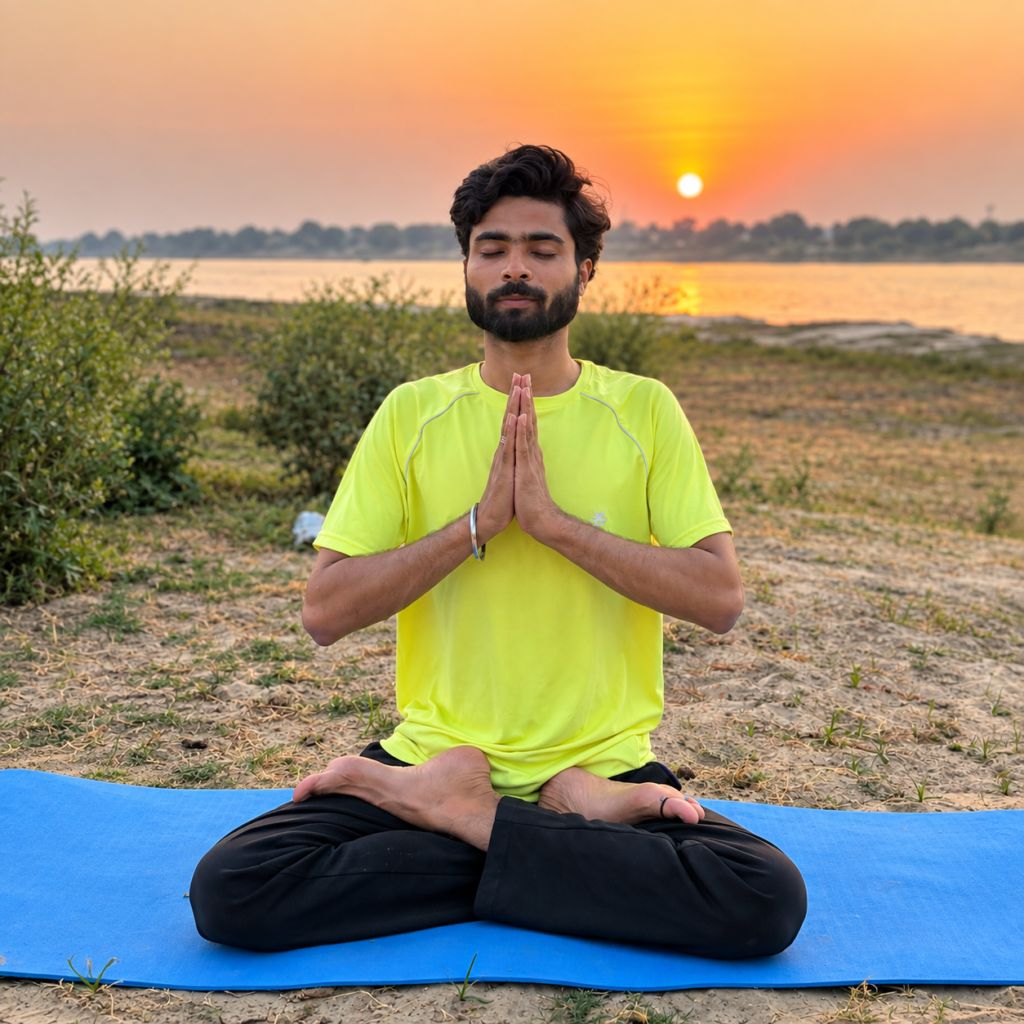
Madhup Srivastava
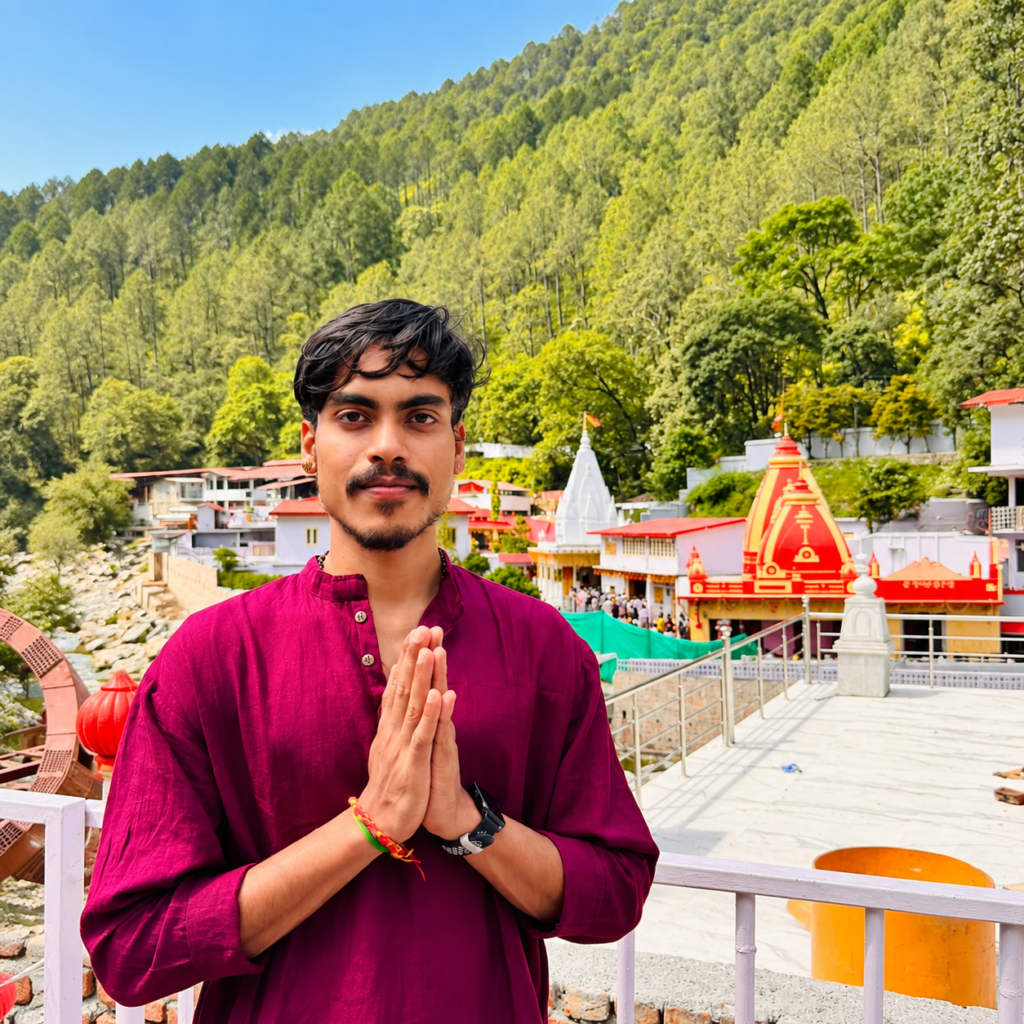
Amarjeet Ranjan
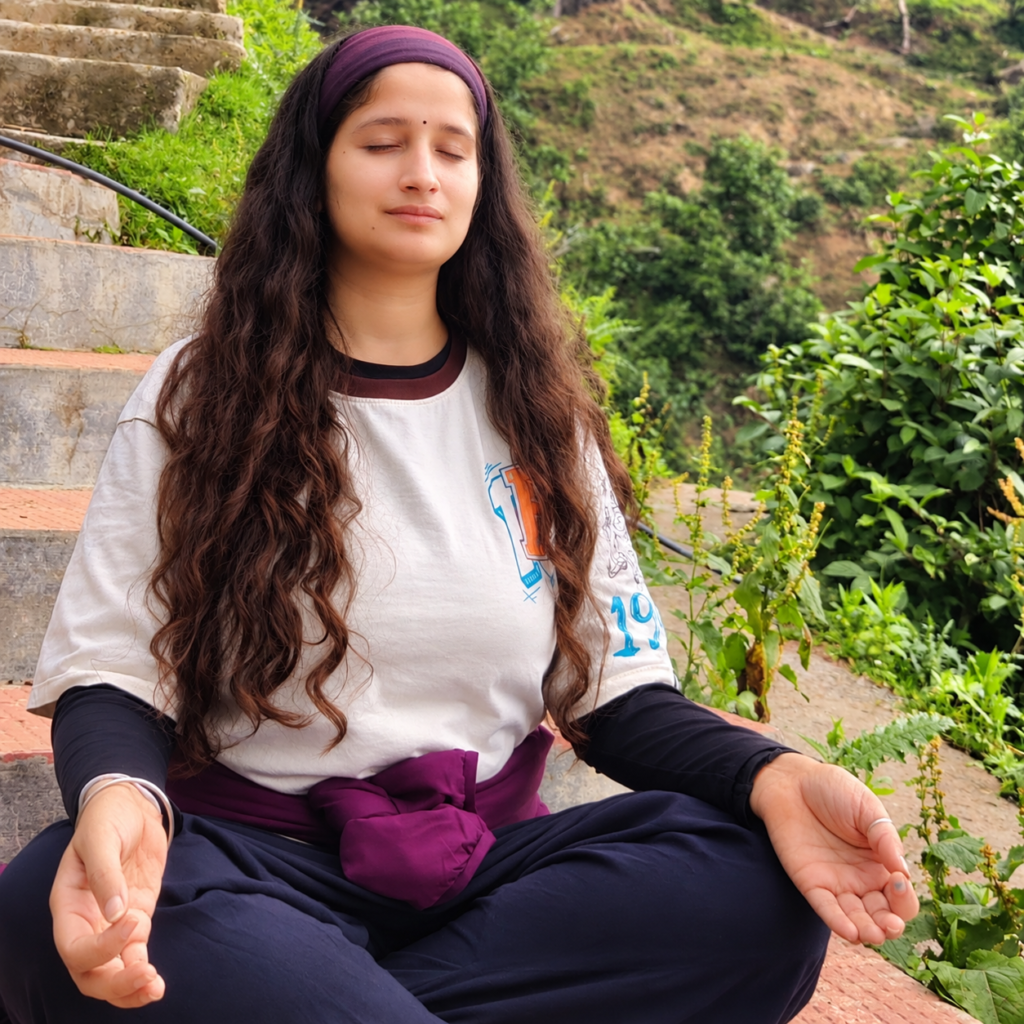
Gauri Mehra
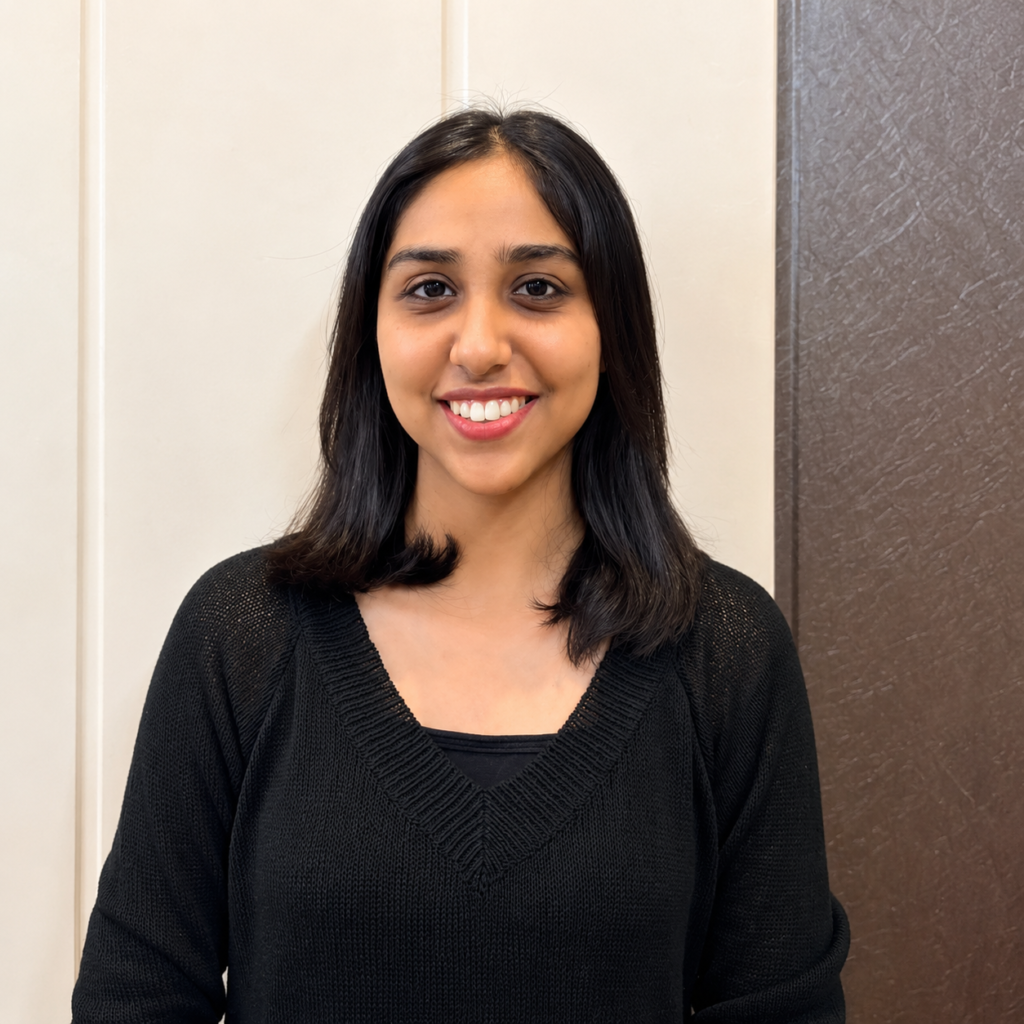
Angel Kaushik
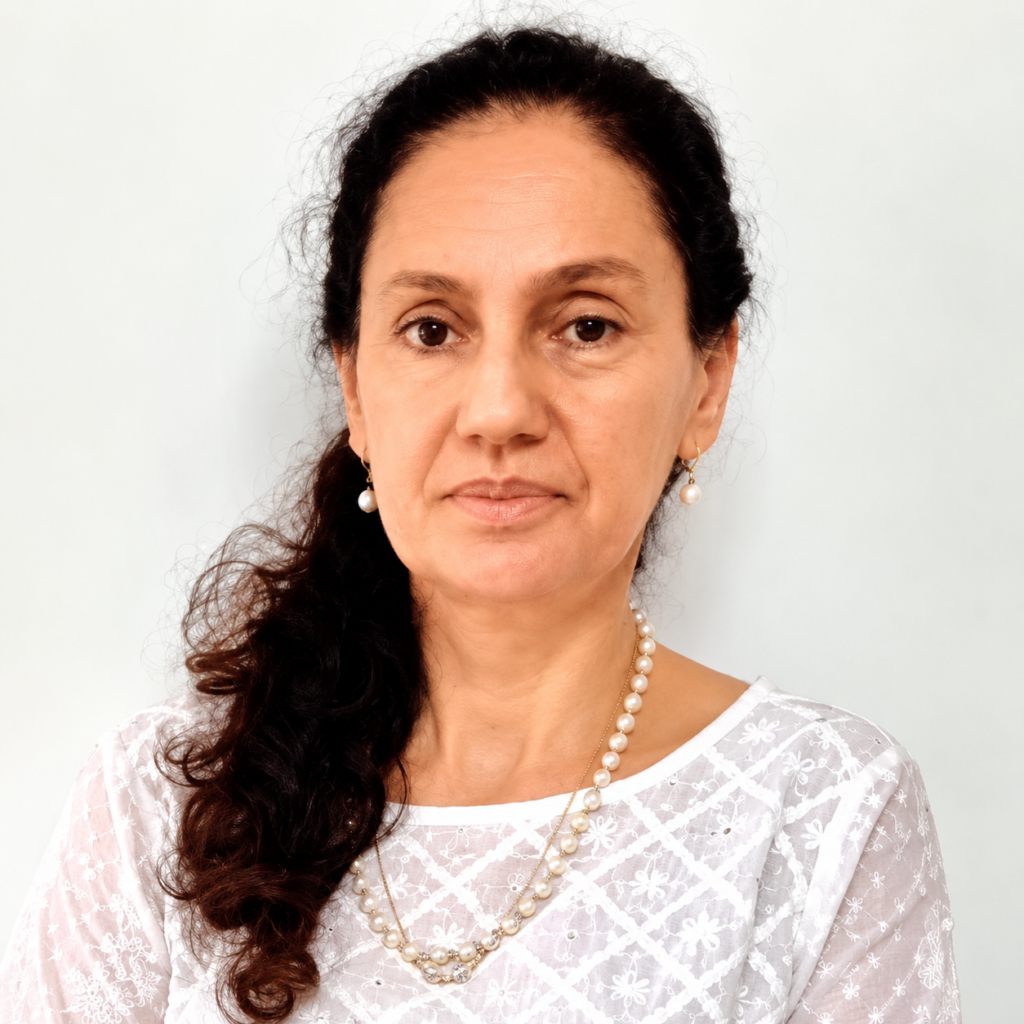
Ma Prem Kalu
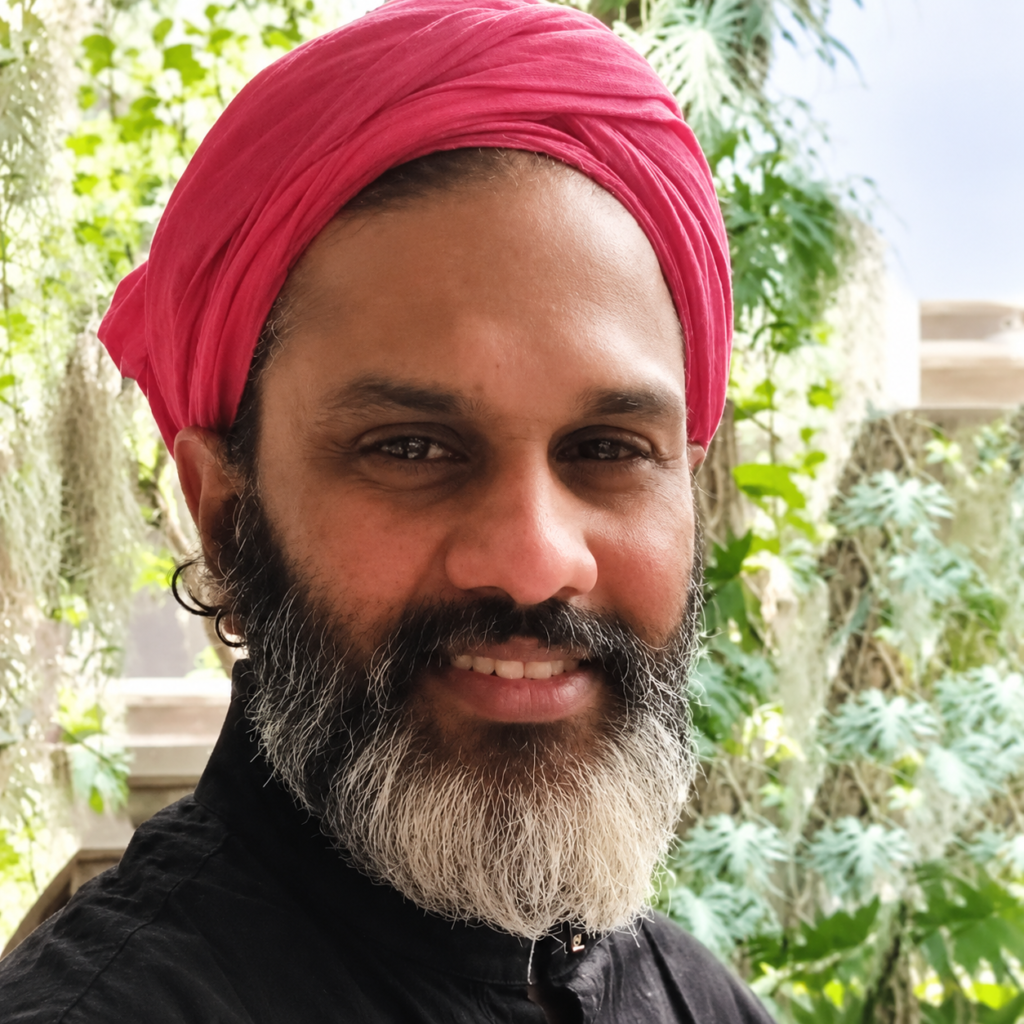
Naren JI
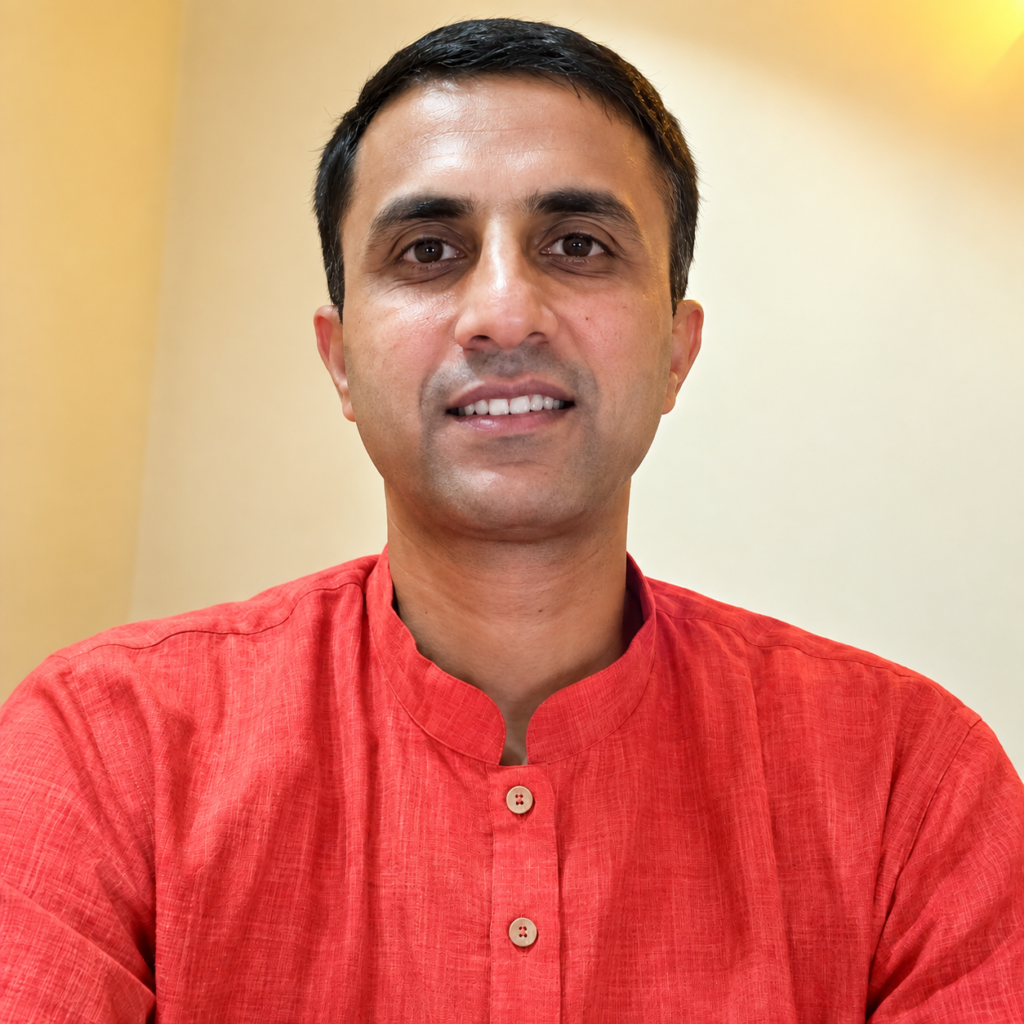
Girish JI
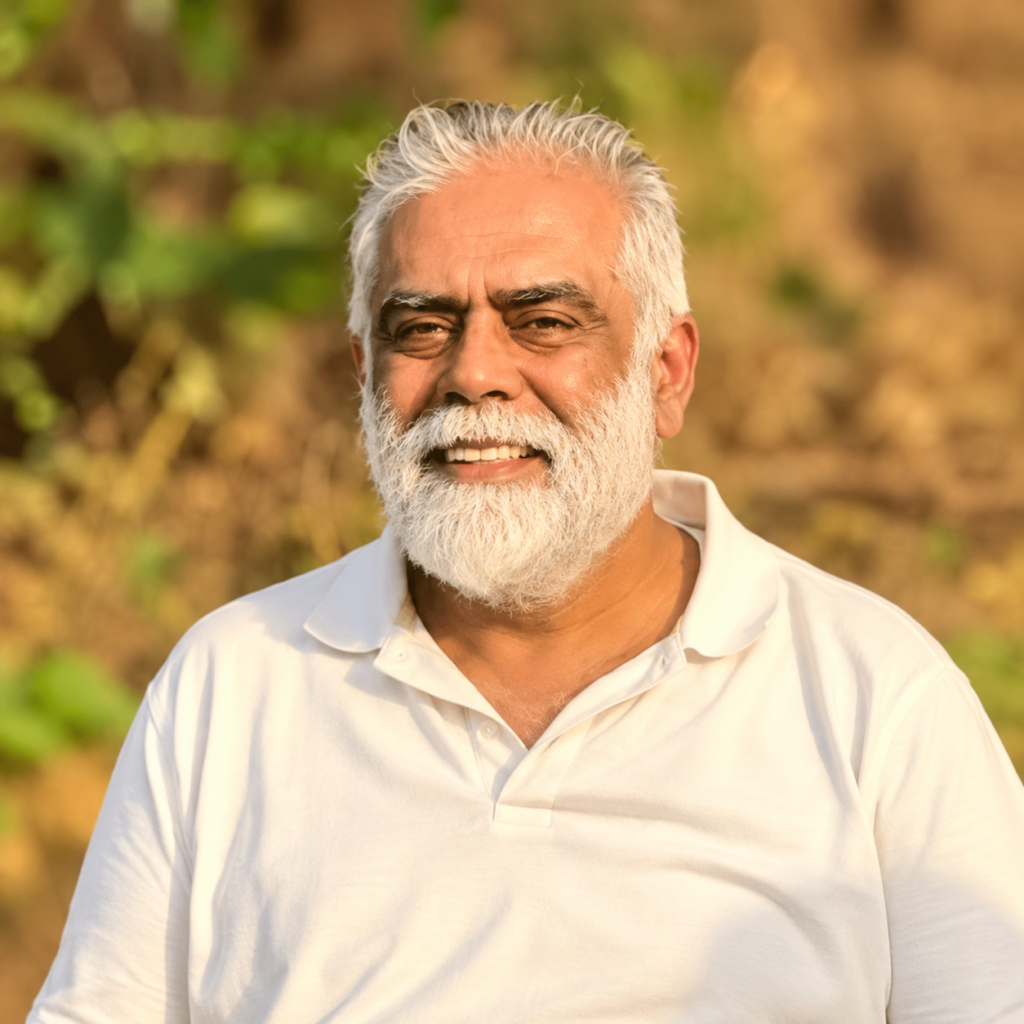
Swami Krishna Saraswati

Varsha Ji
Learning differently,
towards a greater understanding.
Small Group, Real Attention
Practice Before Information
Goa as Part of the Experience
Behind Oceanic
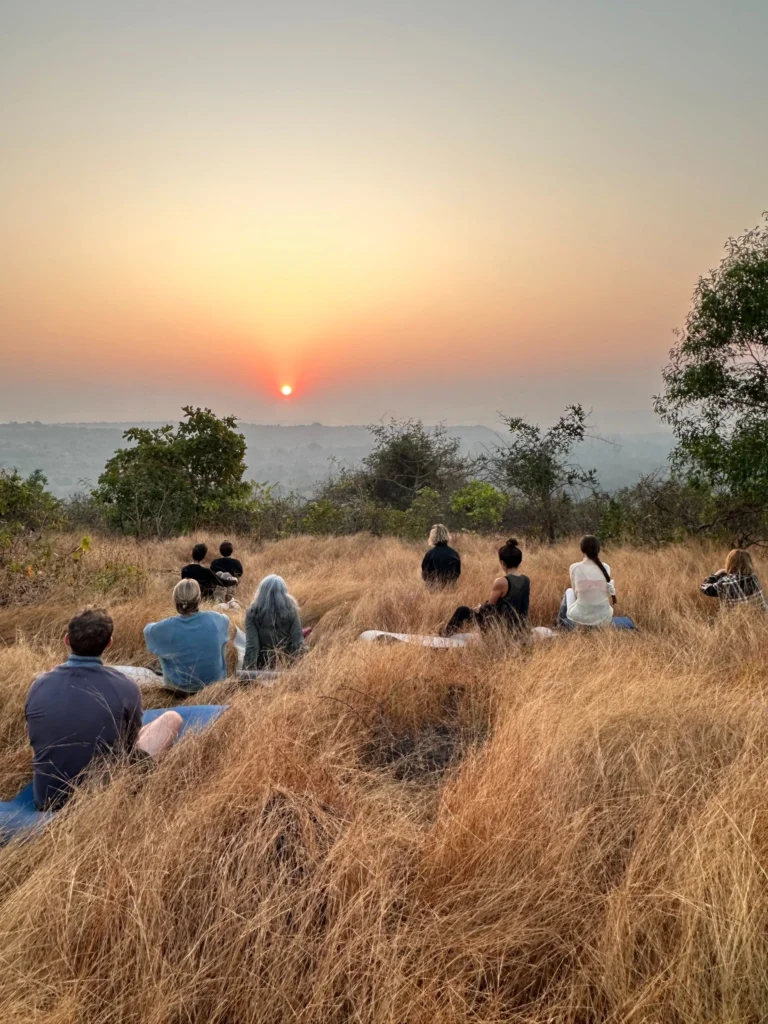
My work isn’t to be in every room. It’s to make sure what happens in every room is worth your time.
Swami Anand Jiska, Torchbearer
Goa & Campus
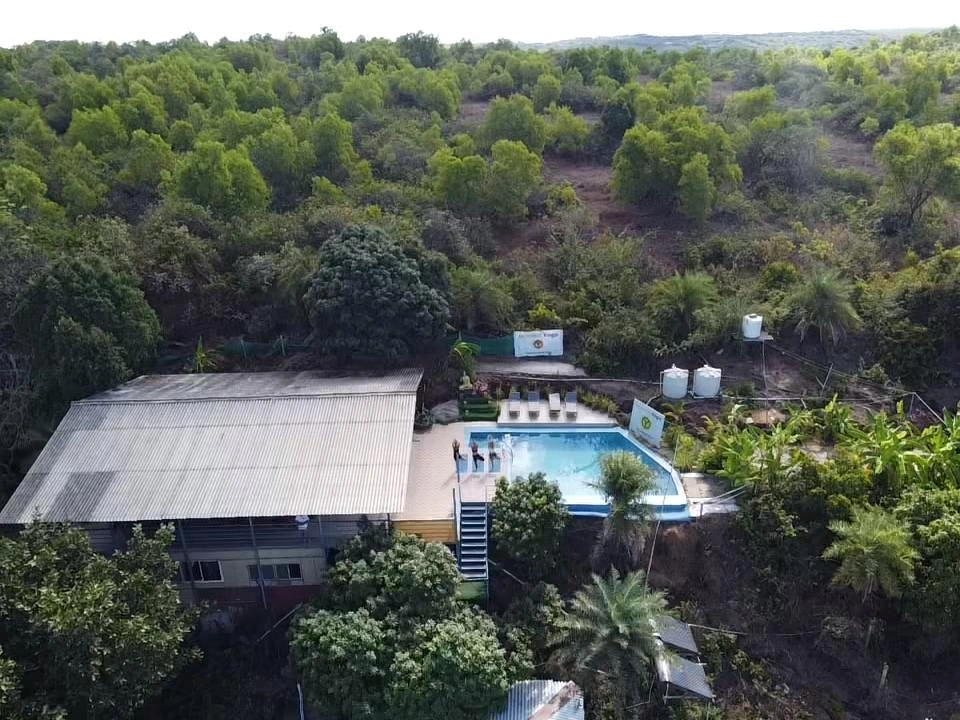
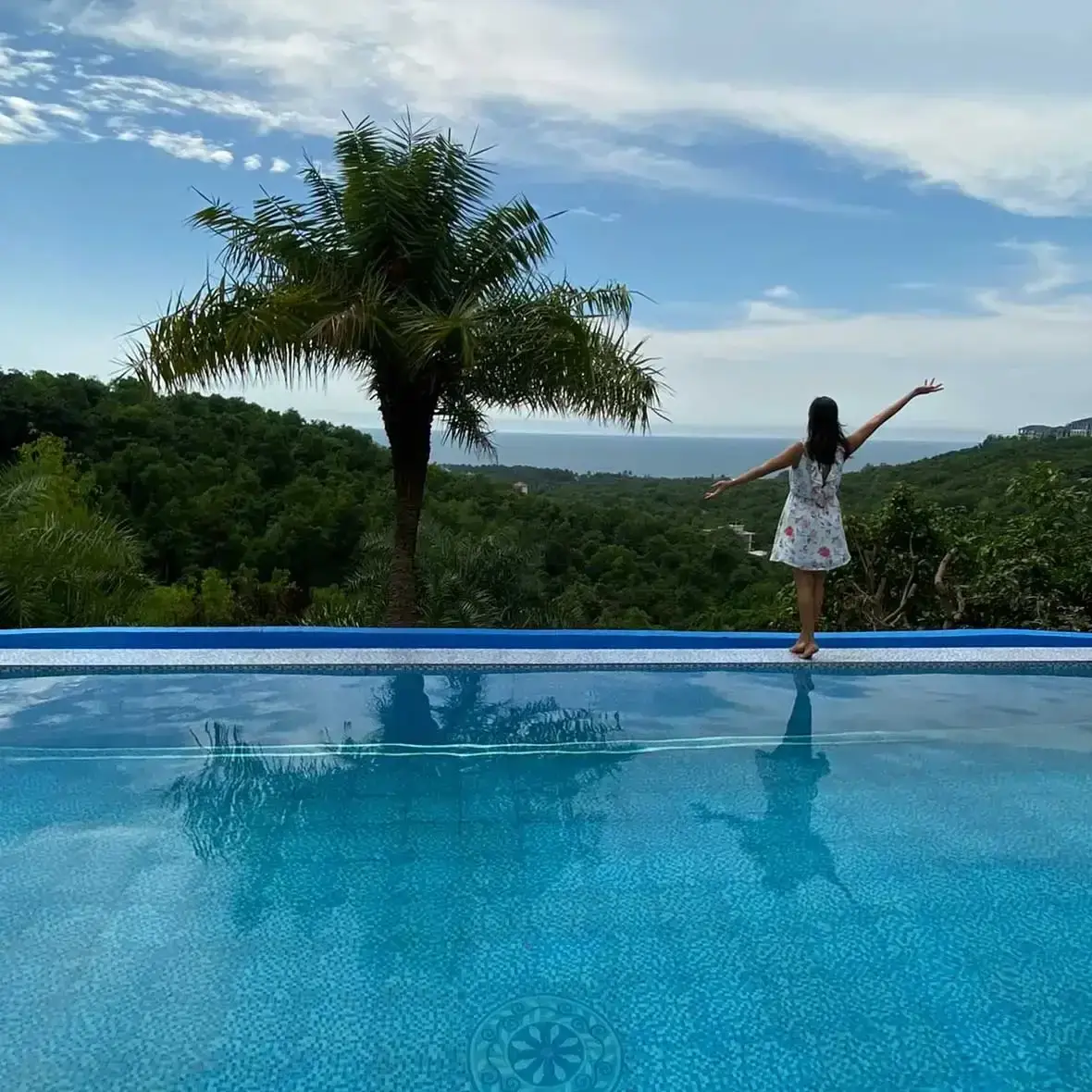
Set on a hillock above
the Arabian Sea.

Student Voices
Trusted by people.
Enrol in your cohort
Dates & investment
Twin Share
Triple Share
Private Room
Everything you need to know
Planning your journey
Arrive with time to settle in.



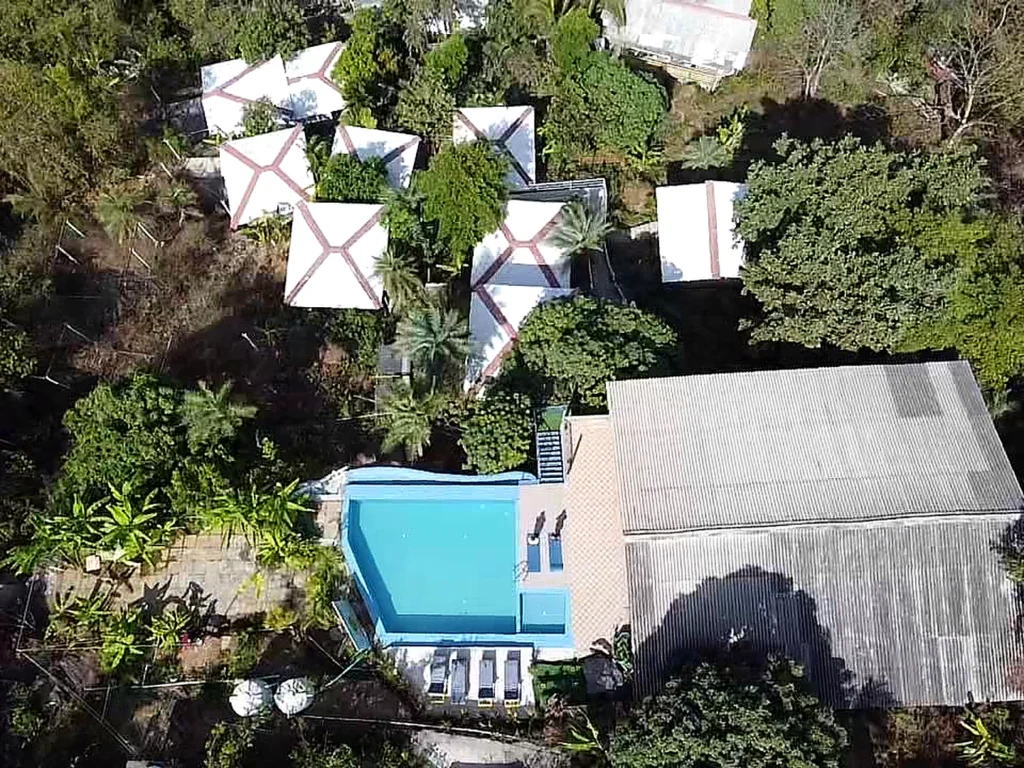
A place to practise, study and rest.
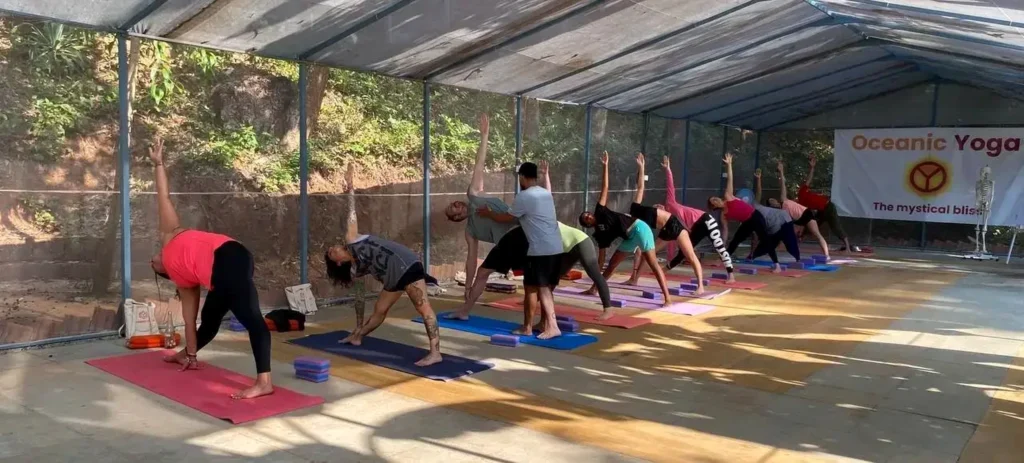
Rooted in tradition, explored in greater depth.
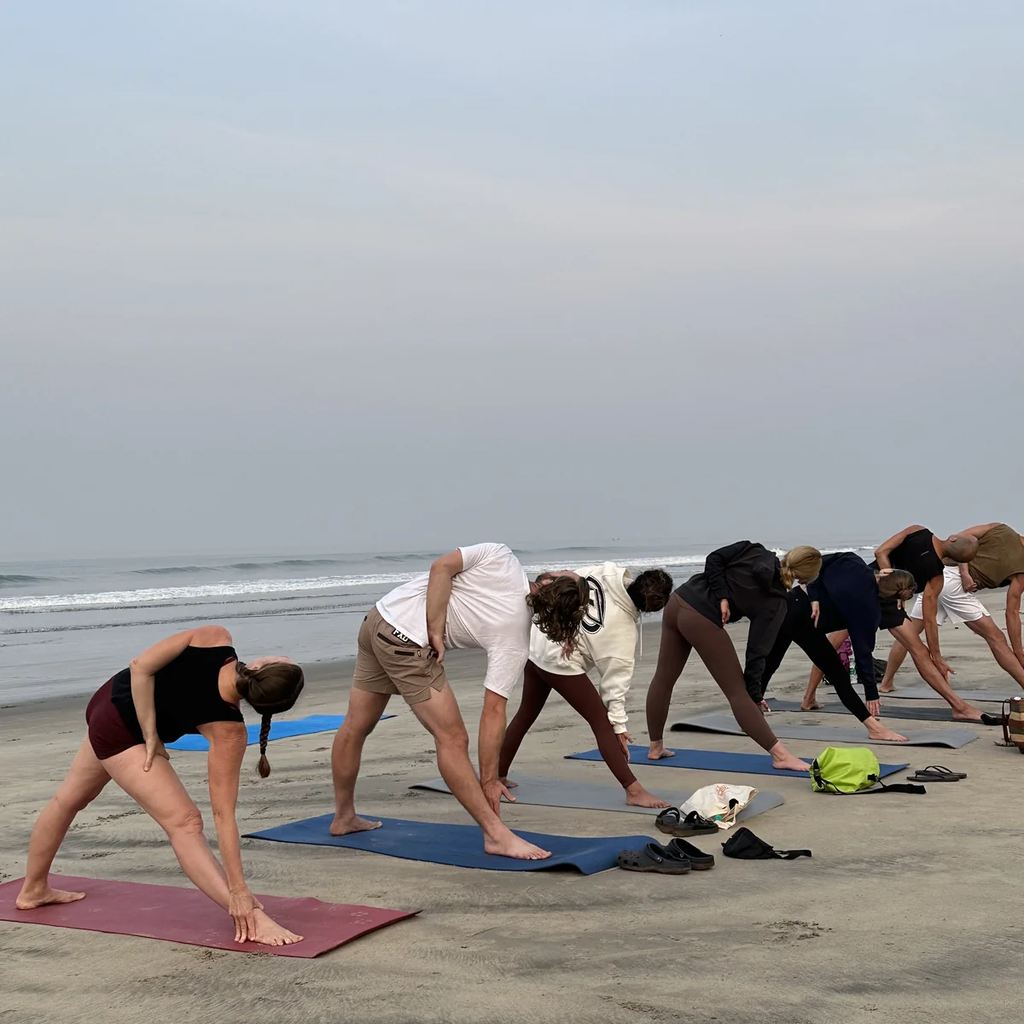
We help with the details.
Come prepared. Keep it simple.

Frequently Asked Questions
Questions about the 300-hour YTT.
What is a 300-hour yoga teacher training?
A 300-hour yoga teacher training is an advanced program for practitioners who want more extensive study of yoga practice and teaching. Oceanic Yoga’s residential program in Goa includes Hatha, Ashtanga, Vinyasa Flow, pranayama, meditation, anatomy, philosophy, teaching methodology and supervised practicum across 29 days.
What is the difference between a 200-hour and 300-hour yoga teacher training?
A 200-hour training establishes foundational knowledge and teaching skills. A 300-hour training gives more time for refinement, new skills and greater integration across asana, anatomy, philosophy, meditation, sequencing and teaching. At Oceanic, it is not simply a harder 200-hour course; it is a broader and more detailed learning experience.
Who should do a 300-hour yoga teacher training?
A 300-hour YTT can suit yoga teachers, graduates of a 200-hour training and dedicated practitioners who want a more immersive period of study. At Oceanic, students may join to strengthen teaching skills, expand an established practice, or undertake the training primarily as a personal journey of learning and self-discovery.
Is a 300-hour yoga teacher training worth it?
It can be valuable when you already have an established relationship with yoga and want time for more detailed practice, study and integration. The value is not only in adding training hours; it is in developing greater understanding, new movement and teaching skills, and a more mature relationship with practice.
How long is Oceanic Yoga’s 300-hour YTT in Goa?
Oceanic Yoga’s residential 300-hour yoga teacher training in Goa runs for 29 days and includes 28 nights of accommodation. The published 2026–2027 cohorts run from 1–29 October 2026, 18 November–16 December 2026, 18 March–15 April 2027 and 6 May–3 June 2027.
Can I do a 300-hour YTT without completing a 200-hour YTT?
Yes, depending on your previous yoga experience and Oceanic’s eligibility review. A completed 200-hour YTT is the usual pathway, but dedicated practitioners with at least two years of consistent yoga practice may also be considered individually. Contact Oceanic if you are unsure whether your background is suitable.
Can I join a 300-hour yoga teacher training for personal practice rather than teaching?
Yes. You do not have to make teaching your main reason for joining. Some Oceanic students use the 300-hour immersion to expand an established practice, study yoga more closely, experience meditation and philosophy, and create dedicated time for personal inquiry and self-discovery.
Do I need to be an advanced yoga practitioner to join?
You do not need to perform every advanced posture. A consistent practice, willingness to learn and readiness for an intensive residential schedule matter more. Advanced asanas and variations are approached progressively, with preparation, alignment, props, modifications and attention to individual differences.
Do I need to be teaching yoga already?
No. Existing teaching experience can be useful, but it is not required for every applicant. The program includes teaching methodology and practicum, while experienced practitioners who are joining primarily for deeper study may also be considered through Oceanic’s eligibility process.
Is the 300-hour YTT physically demanding?
The training is intensive and includes regular asana, pranayama, study, meditation and teaching practice. The aim is not constant physical intensity. Students work progressively, and the curriculum also includes anatomy, philosophy, self-study, meditation and periods of integration alongside physical practice.
What do you learn in Oceanic Yoga’s 300-hour teacher training?
The curriculum includes advanced Hatha, Ashtanga, Vinyasa Flow, Vinyasa drills, Advanced Yoga Clinic, pranayama, bandhas, mudras, kriyas, meditation, yoga philosophy, anatomy and physiology, teaching methodology, sequencing and practicum. The subjects are designed to inform one another across practice, study and teaching.
How are Hatha, Ashtanga and Vinyasa Flow taught in the 300-hour YTT?
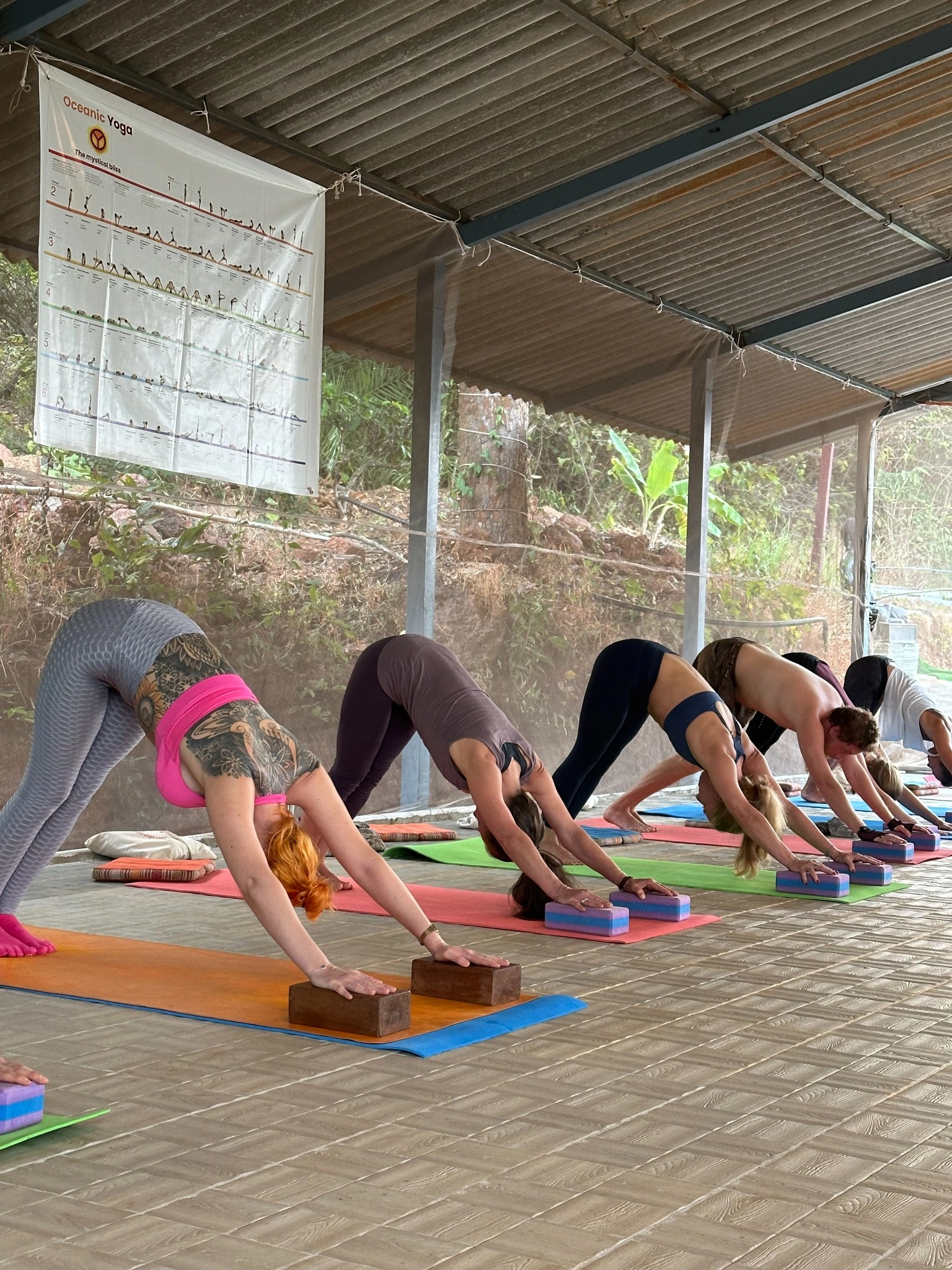
Hatha and Ashtanga are taught as distinct practices. They develop important foundations in alignment, steadiness, strength, breath and movement awareness. Vinyasa drills develop strength, mobility, coordination and transitions as preparation for Vinyasa Flow, which is taught separately through breath-led movement, sequencing and flow.
What are Vinyasa drills and why are they taught?
Vinyasa drills are focused movement preparations used to develop strength, mobility, coordination and transition skills. At Oceanic, they prepare the body and movement vocabulary for Vinyasa Flow. They are not presented as a continuation of Ashtanga; Vinyasa Flow remains a separate area of practice and sequencing.
Will I practise advanced asanas in the 300-hour training?
Yes. The program explores advanced asanas, variations, inversions and arm balances progressively. The emphasis is not simply on achieving difficult shapes; students also study preparation, alignment, use of props, modifications, contraindications and how different bodies may require different approaches.
What meditation practices are included in the 300-hour YTT?
Meditation is explored through multiple approaches and mystical traditions, including Osho, Buddhist, Gurdjieff-inspired and Taoist practices, alongside Yoga Nidra, mantra, active and silent meditation. Sound Bath sessions are also included during selected meditation periods as part of the experiential meditation program.
Is Oceanic Yoga registered with Yoga Alliance for 300-hour training?
Yes. Oceanic Yoga identifies itself as a Yoga Alliance Registered Yoga School for 300-hour training (RYS 300). Students who successfully complete the program requirements receive Oceanic Yoga’s 300-hour yoga teacher training course-completion certificate.
Does a 200-hour plus 300-hour YTT create a 500-hour training pathway?
A 200-hour training followed by an eligible 300-hour advanced training is a recognised route toward 500 total training hours under Yoga Alliance pathways. Personal registration credentials have additional requirements, so students who need a specific Yoga Alliance designation should check the current Yoga Alliance rules before applying.
Will I learn how to create and teach Vinyasa sequences?
Yes. Vinyasa Flow and sequencing are taught as a distinct area. Students first develop movement capacity through practice and Vinyasa drills, then explore breath-led sequencing, transitions, intelligent progression and how movements can prepare for what follows in a class.
Is teaching practicum included in Oceanic Yoga’s 300-hour YTT?
Yes. Teaching practicum is part of the program. Students work with practice teaching, observation, cueing, sequencing, communication and feedback so that knowledge is not left only at the theoretical level but is gradually translated into practical teaching experience.
What can I do after completing a 300-hour yoga teacher training?
Graduates may use the training to develop their existing teaching, broaden the styles and practices they can work with, continue toward higher training pathways, or deepen their personal practice. What you do next depends on your previous qualifications, teaching goals and any registration requirements in your country or professional body.
Why do a 300-hour yoga teacher training in Goa?
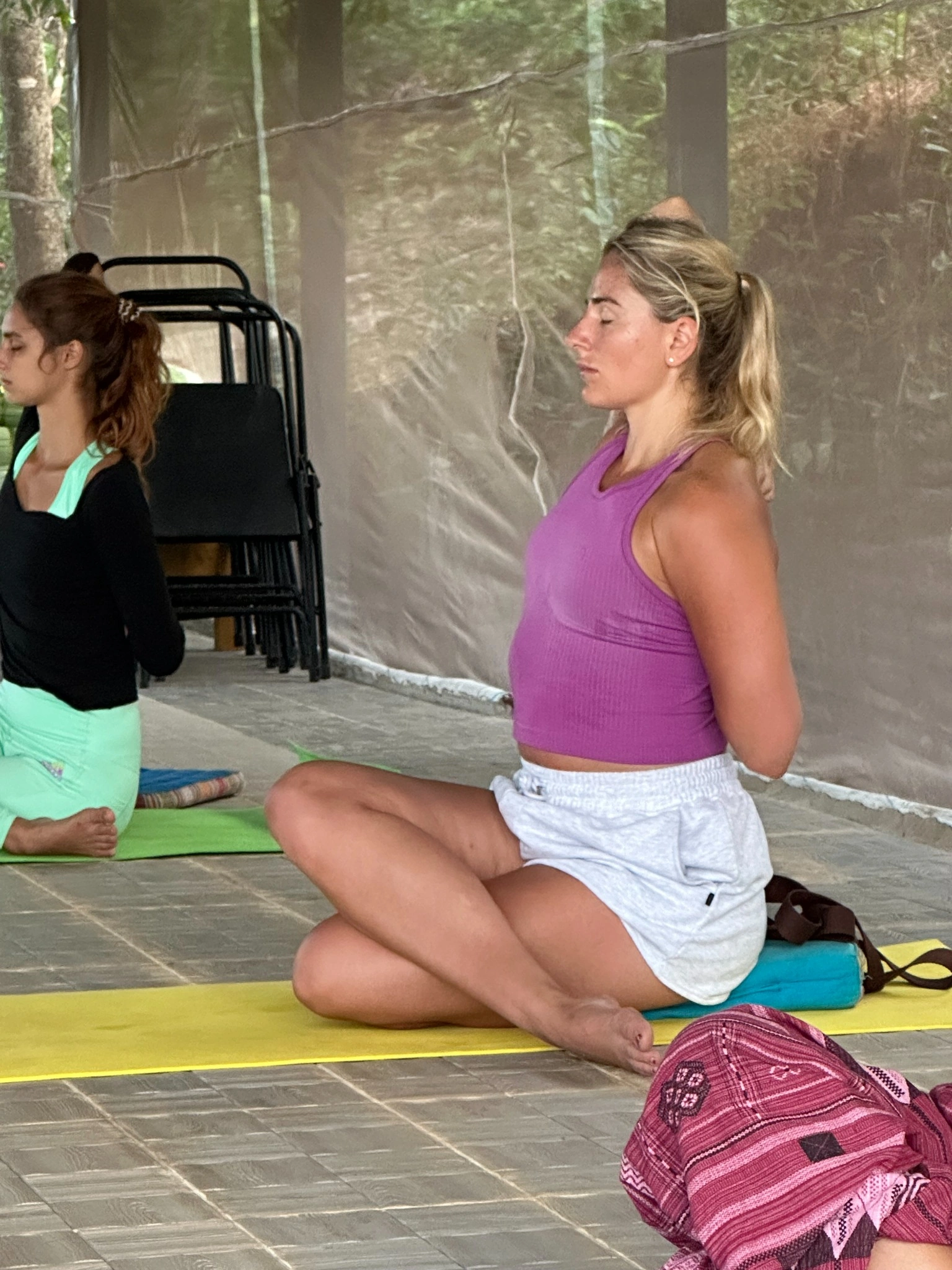
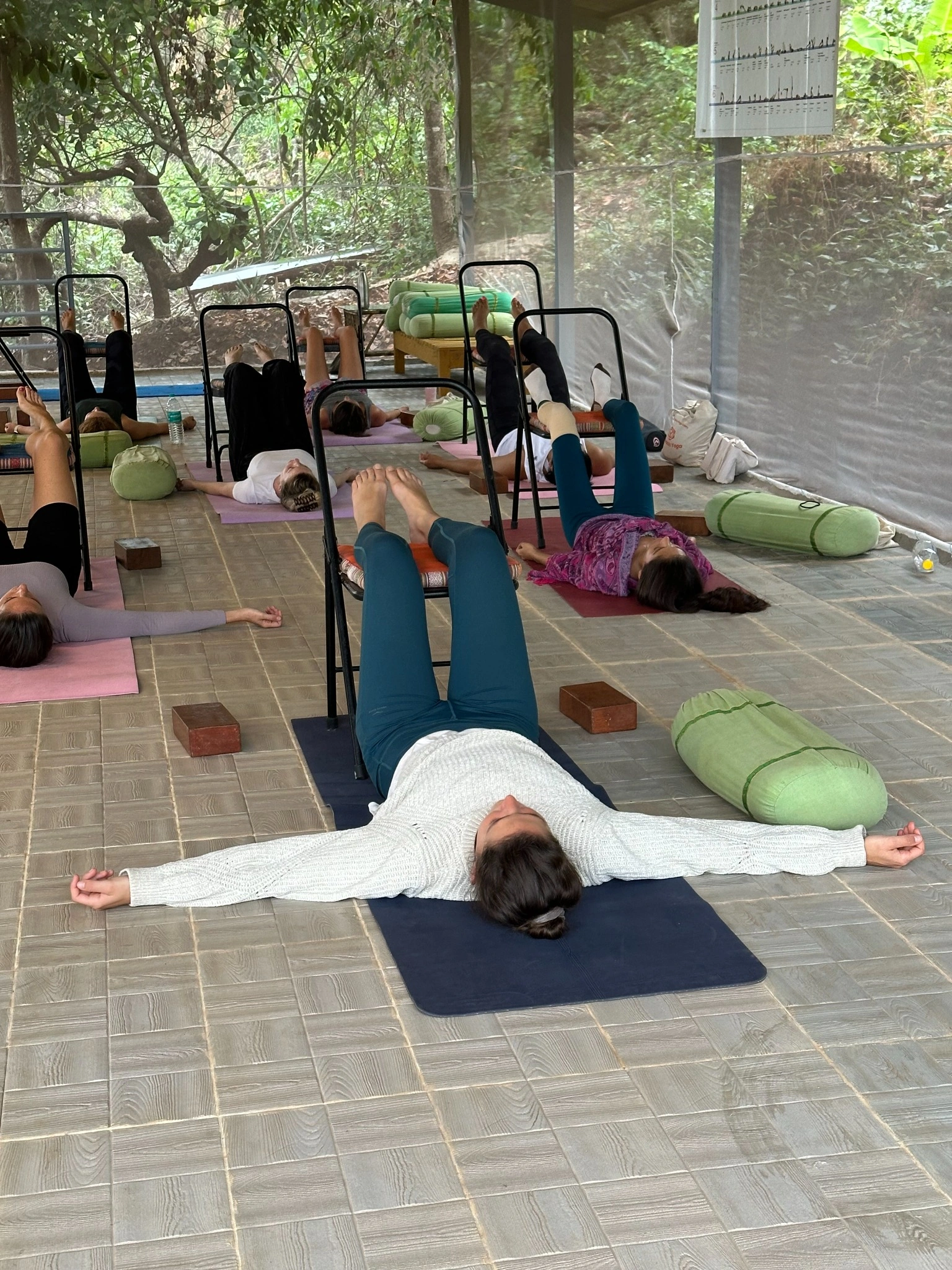
Goa offers the possibility of combining intensive residential study with a slower coastal environment. Oceanic Yoga is located on a hillock in North Goa, around ten minutes from Morjim Beach, with an open-air practice setting, swimming pool, accommodation and meals on campus.
How much does Oceanic Yoga’s 300-hour YTT in Goa cost?
For the published October 2026 through June 2027 cohorts, the residential package is €1,800 for triple sharing, €2,197 for twin sharing and €2,700 for a private room. The package includes training, 28 nights of accommodation, meals and specified course facilities and materials.
Is accommodation included in the 300-hour yoga teacher training fee?
Yes. Oceanic’s residential 300-hour package includes 28 nights of accommodation. Triple, twin and private options are offered according to the selected package. Male participants are accommodated in a private room unless travelling with someone with whom they wish to share.
Are vegetarian and vegan meals available during the training?
Yes. Vegetarian meals are served during the residential training, and vegan options are available on request. The current meal schedule provides three vegetarian meals per day, except Sundays when breakfast only is served.
Which Goa airport should I use, and can Oceanic arrange a transfer?
You can arrive through Goa International Airport at Dabolim or Manohar International Airport at Mopa. Oceanic can assist with airport-transfer arrangements from either airport. Share your flight details with the team before arrival and confirm the current transfer charge when booking.
How do I apply for Oceanic Yoga’s 300-hour teacher training?
Choose your preferred batch and complete Oceanic Yoga’s application form with your practice and training background. The team reviews your application and, once accepted, provides the next booking steps. Applicants without a conventional 200-hour pathway may be considered through an individual eligibility review.
How much is the booking fee for the 300-hour YTT?
The currently published booking fee is €400. It is non-refundable but transferable and is adjusted against the total course fee. Your place is confirmed after acceptance and receipt of the booking amount, subject to Oceanic Yoga’s current written booking terms.
When is the remaining course fee due?
Oceanic’s current policy states that the remaining balance is payable on or before arrival at the Goa campus. Available payment methods may include cash, card or online transfer. Bank, card or transaction charges can apply, so confirm the current payment instructions before sending the balance.
What is included in Oceanic Yoga’s 300-hour YTT package?
The package includes the 300-hour training, 28 nights of accommodation, vegetarian meals, study materials, teacher-training manual, yoga mat and props for use, course-completion certificate, swimming-pool access, Wi-Fi and shared laundry-machine access. Airport-transfer assistance is available separately.
What time are check-in and check-out for the residential training?
Check-in is after 2 PM on the published arrival date. Check-out is after breakfast and before 10 AM on the departure date. The course duration is 29 days and 28 nights. If you need extra nights, contact Oceanic before booking travel to check availability.
