Goa has dozens of yoga schools. Some are excellent. Some are not. Choosing the wrong one costs you time, money, and a month of your life.
This guide is not a list of names. It is a practical framework for what actually matters when evaluating a yoga school in Goa, written by someone who has spent years researching programs across India, reading hundreds of real student reviews, and understanding what separates a school that genuinely changes you from one that simply hands you a certificate.
By the end, you will know exactly what to look for. And if you already know Oceanic Yoga is where you want to train, you can go straight to their programs here.
1. Years of Real Teaching Experience
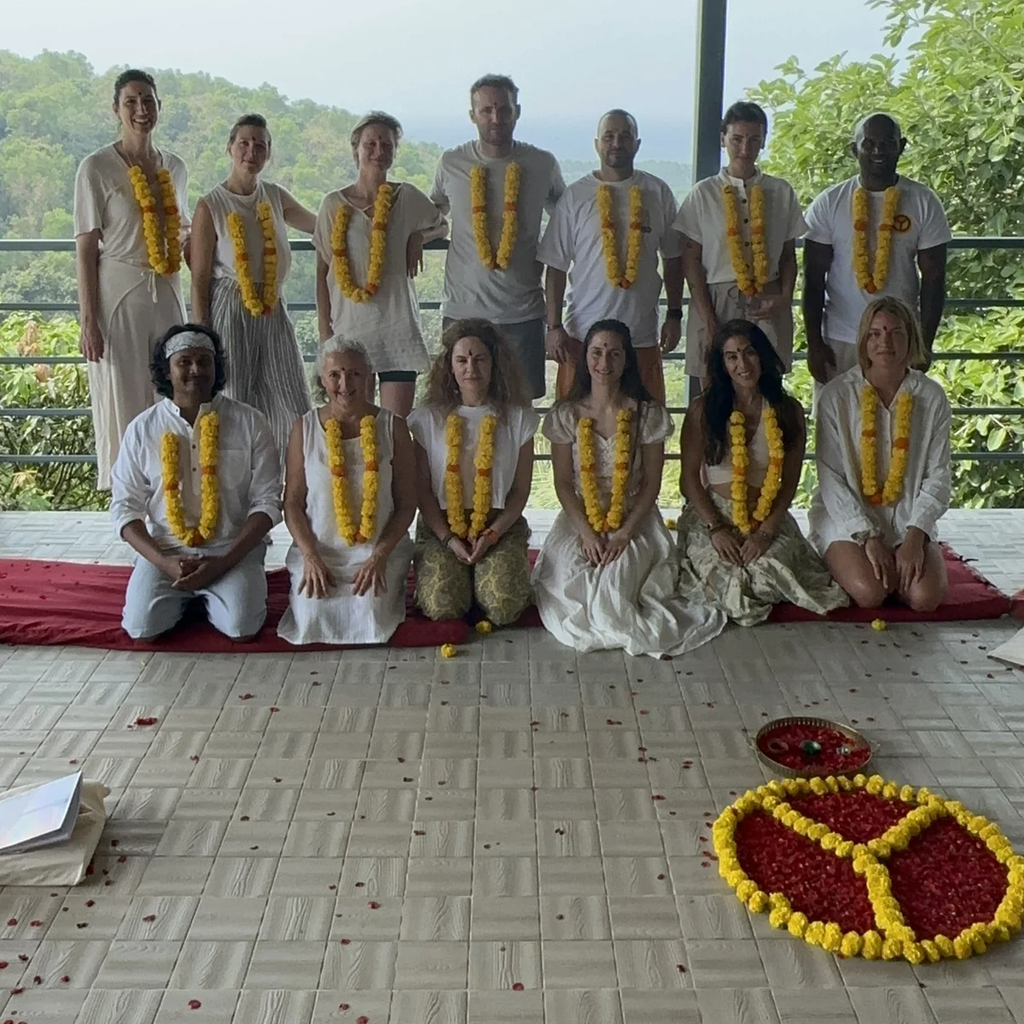
The first thing worth checking is how long a school has actually been operating in Goa. Not when their website launched. Not when their Instagram account was created. How many years have they been physically teaching students on the ground?
This matters because schools that do not deliver do not survive. A school still running after a decade has earned that through consistent results. Students returned. Students referred others. Graduates went on to teach and brought their own students back.
A school founded in 2007 and still operating in 2026 carries nearly 20 years of proof behind it. That kind of track record cannot be faked with a good rebrand.
Oceanic Yoga has been teaching in Goa since 2007. They have trained over 3,500 graduates from more than 60 countries. That depth of experience simply does not exist in schools that are two or three years old, regardless of how polished their marketing looks.
2. Yoga Alliance Registration: The Credential That Opens Doors
If you want to teach yoga professionally after your training, whether in Europe, North America, Australia, or anywhere internationally, your school needs to be a Registered Yoga School (RYS) with Yoga Alliance USA.
This is not a technicality. It is the difference between a certificate that qualifies you to teach in studios worldwide and a certificate that means nothing outside the school’s own community.
Before enrolling anywhere, check three things:
- Is the school listed on the official Yoga Alliance website as an RYS?
- What registration levels do they hold (RYS 200, RYS 300, RYS 500)?
- Are their lead teachers registered as E-RYT (Experienced Registered Yoga Teachers)?
Oceanic Yoga is registered with Yoga Alliance USA under registration ID 129046, covering both 200-hour and 300-hour programs. Their lead teachers hold E-RYT 500 status, which is the highest teaching credential Yoga Alliance recognises.
You can verify any school’s registration independently at yogaalliance.org before you commit.
3. Class Size: The Most Overlooked Factor
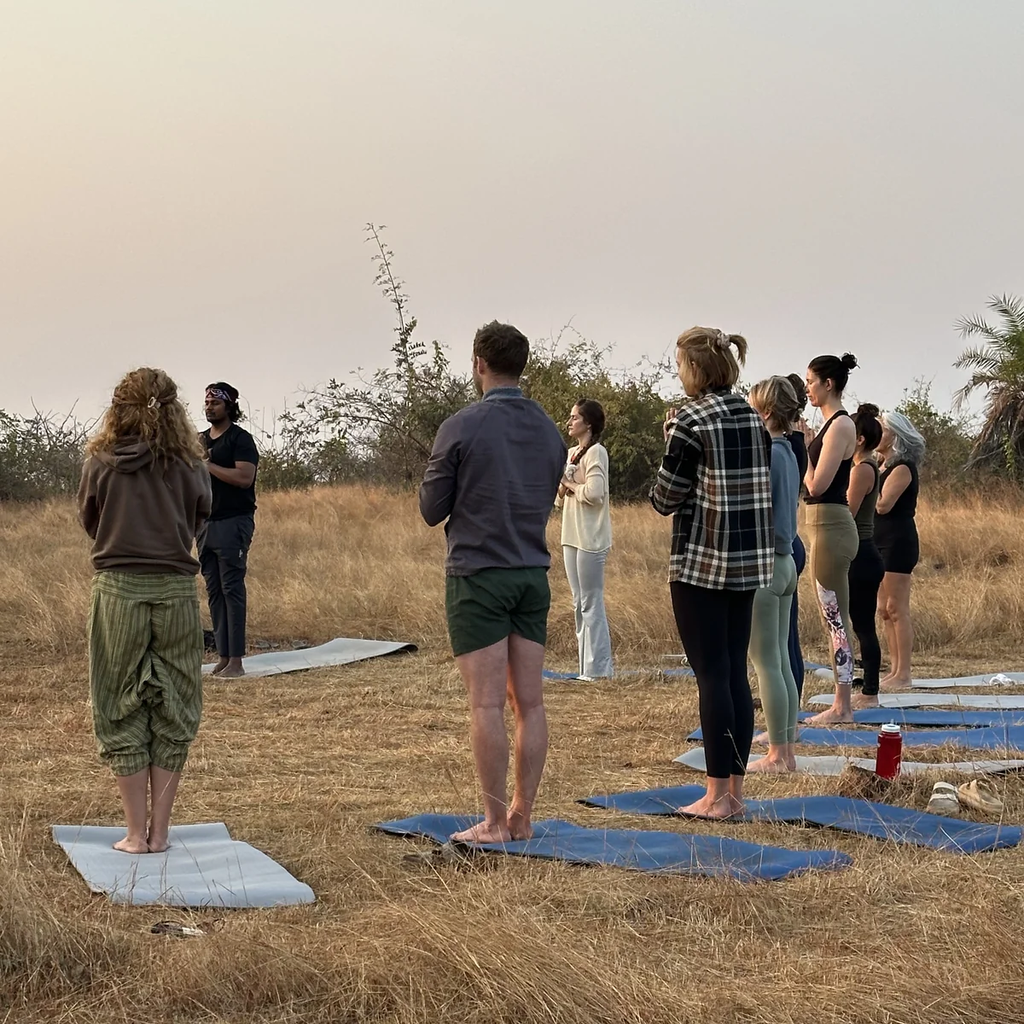
Most schools do not talk openly about how many students are in each cohort. That silence is often telling.
Yoga teacher training is an intensive, personal process. It is not a university lecture where 40 students in a room is fine. When a teacher is managing 25 or 30 students, they cannot watch your alignment closely, they cannot notice when you are struggling, and they cannot give you the kind of individual feedback that actually develops your teaching ability.
The questions every prospective student should ask:
- What is the maximum number of students per cohort?
- Is that number a real cap or just a marketing figure?
- How many teachers are present during each session?
Oceanic Yoga caps every cohort at 18 students. This is a firm limit, stated clearly on their 200 Hour YTTC page. One graduate from Japan described the impact directly:
“Because it was a small class with one-on-one instruction, I was able to learn quite deeply even in the short period of 20 days.”
A small cohort is not a compromise. It is a commitment to quality that larger schools often cannot make.
4. What the Curriculum Actually Covers
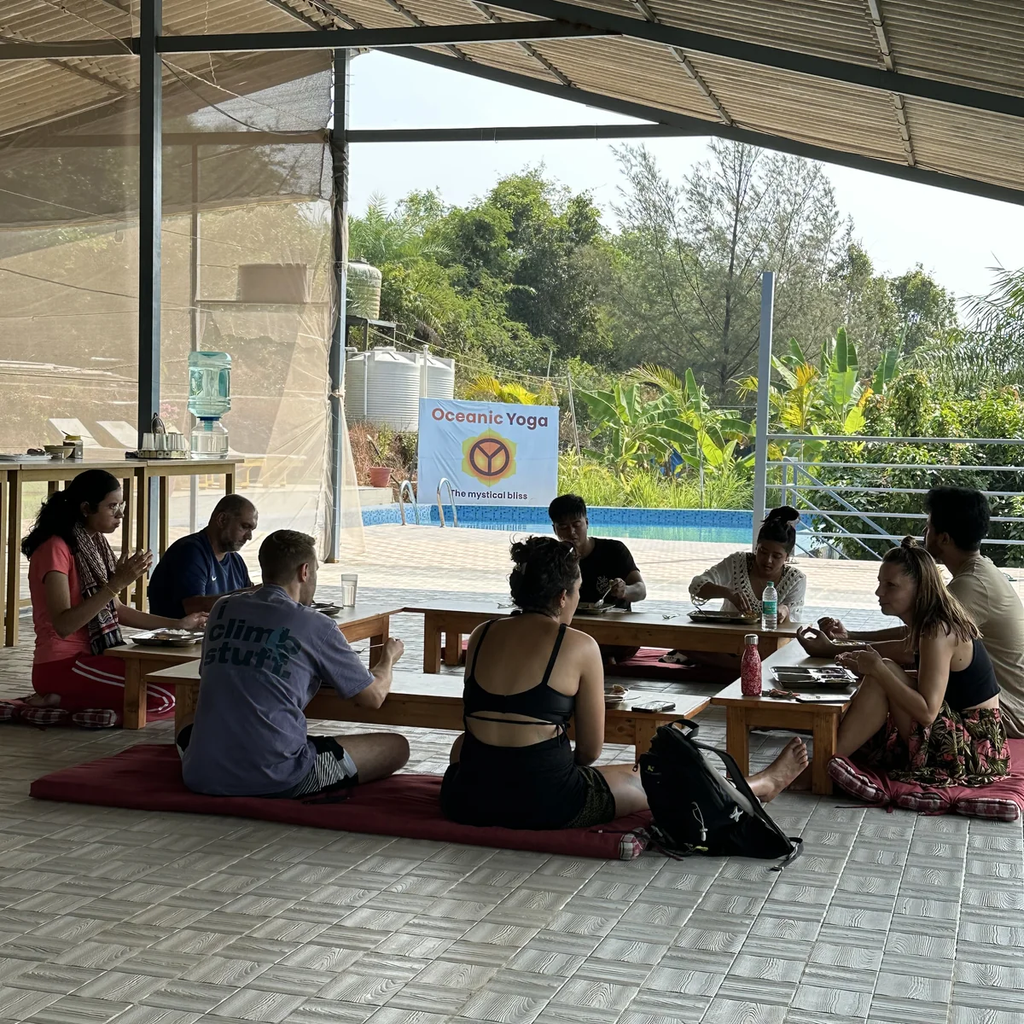
Every Yoga Alliance-certified 200-hour program covers the same core subjects: asana, pranayama, meditation, anatomy, philosophy, and teaching methodology. That is the minimum standard, not the mark of a great school.
What distinguishes good programs from genuinely excellent ones is what they teach beyond that baseline.
The two things worth looking for in 2026:
Nervous system and neuroscience integration
A modern yoga teacher training should explain not just how to teach a pose but why it works physiologically. What happens in the nervous system during breath retention. Why certain sequences reduce anxiety. How the body stores chronic stress and how movement and breathwork can release it. This is the science that makes yoga credible to the people who need it most.
Trauma-informed teaching methodology
This is no longer a specialisation reserved for therapists and clinical settings. It is a foundational skill for any teacher working with real people who carry real histories. Grief, burnout, chronic anxiety, physical tension with no obvious cause. Knowing how to create a safe and supportive space is not optional. It is the difference between a teacher who helps and one who inadvertently causes harm.
Oceanic Yoga builds both into their core curriculum, not as extras. Their dedicated Nervous System Regulation and Trauma-Informed YTTC covers polyvagal theory, somatic awareness, and trauma-sensitive teaching methodology in depth. Even within their standard 200-hour program, these elements are present from the beginning.
5. Location: Where You Train Is Part of How You Train
Not every part of Goa is suitable for an immersive yoga training. The popular tourist areas of North Goa, places like Baga, Calangute, and Anjuna, are built around nightlife, crowds, and activity. That energy is great for a holiday. It works against the kind of focus and inward attention that teacher training requires.
What a good training location needs:
- Genuine quiet, away from bars and tourist traffic
- Natural surroundings: trees, open air, birdsong
- Proximity to the sea without being on a commercial beach strip
- A campus designed for study and practice, not hospitality tourism
Oceanic Yoga is set on a hillock above the Arabian Sea in Morjim, North Goa. The campus is surrounded by mango and banana trees and sits close enough to the water that students feel the rhythm of the ocean throughout their training.
One recent student described it as “an oasis of peace, surrounded by jungle, with a spectacular sunset view over the sea.”
The campus includes an open-air yoga shala protected by mosquito nets, a swimming pool, and accommodation with sea views. Everything is on one site.
6. Accommodation and Food: Recovery Is Part of the Training
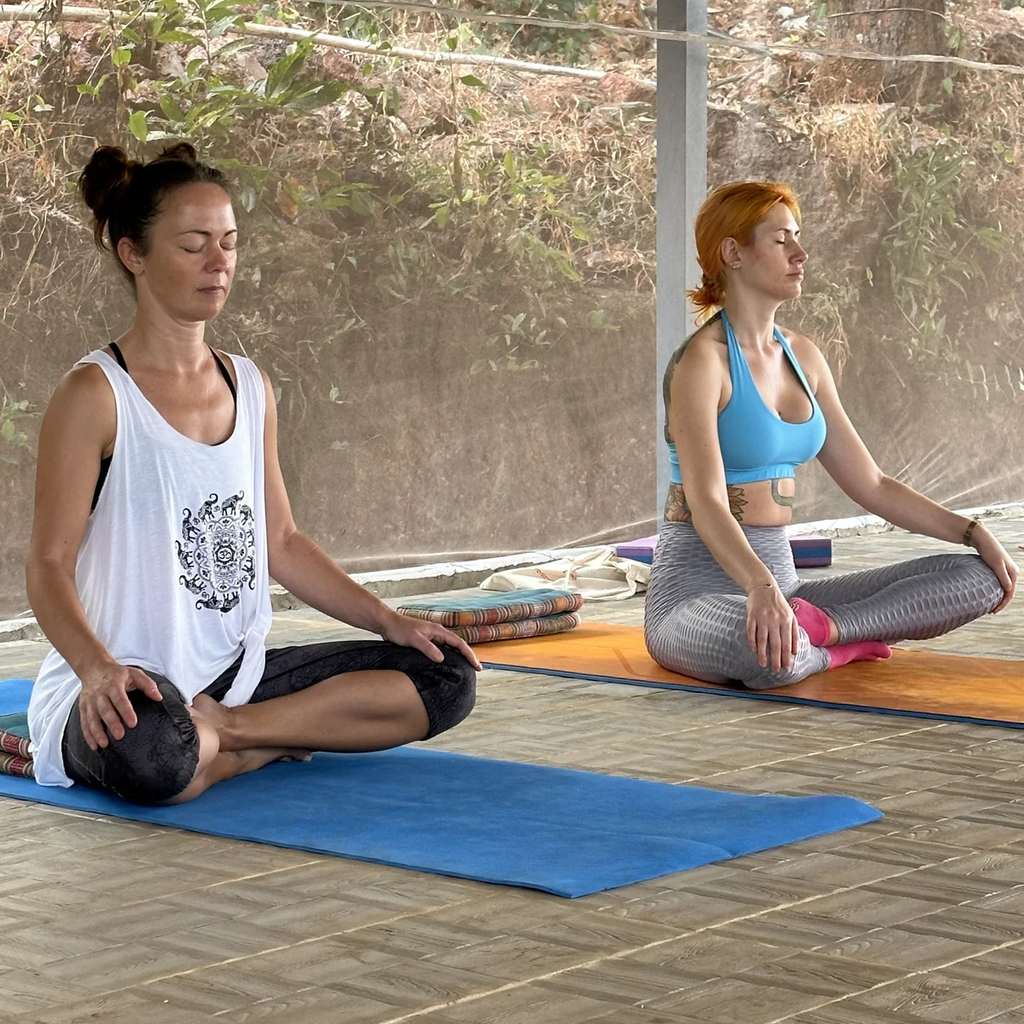
Yoga teacher training is physically demanding. You are practicing twice a day, studying in the evenings, and processing a lot both physically and emotionally. What you eat and how well you sleep between sessions directly affects how much you retain and how your body holds up across 23 days.
What a serious school provides:
- Comfortable, clean accommodation on the training campus
- Three freshly cooked vegetarian meals included daily
- Meals as part of the program fee, not billed separately
- Enough downtime in the daily schedule for genuine rest and integration
At Oceanic Yoga, accommodation, three vegetarian meals per day, and airport transfers are all included in the program fee. Their Accommodation and Food page covers exactly what to expect.
Food comes up consistently in student reviews, not as an afterthought but as a genuine highlight. Fresh, varied, vegetarian, and cooked on site daily
7. Program Range: A School That Grows With You
A school worth trusting offers more than one program. Not every student arrives ready for a 200-hour residential immersion. And not every graduate stops learning after their first certification.
Here is the full range of what Oceanic Yoga offers:
Foundational Teacher Trainings
- 100 Hour Yoga Teacher Training : a deep beginning for those not yet ready for the full 200-hour
- 200 Hour Multi-Style YTTC : the internationally recognised foundational certification
- 300 Hour Advanced YTTC : for certified teachers ready to go further
Flexible and Remote Options
- 200 Hour Hybrid YTTC : study online and complete your residential hours in Goa
- 300 Hour Hybrid YTTC : advanced training without long time away
- 200 Hour Online YTTC : a complete live-taught training from anywhere in the world
Specialised Certifications
- Nervous System Regulation and Trauma-Informed YTTC
- Ashtanga Yoga Teacher Training
- Sound Healing and Yin Yoga TTC
- Yoga Nidra and Meditation TTC
Retreats and Immersions
This is a school built around the full arc of a practitioner’s development. Whatever your starting point or next goal, there is a program here for it.
8. What Real Students Say: Reviews That Matter
Every school has a testimonials page on their own website. That tells you very little. What matters is what students say on platforms the school does not control.
Oceanic Yoga holds a 4.9 rating on Google across more than 300 reviews. Maintaining a 4.9 at that volume is genuinely difficult. Google’s systems actively filter suspicious reviews, and the rating reflects years of consistent delivery, not a short run of good results.
A few recent student reviews:
“I could feel their hearts in the teaching. That is not something you find everywhere.” : 200-hour Graduate, Germany
“My experience with this yoga school has been truly transformative. This is a place where you begin the real work on yourself and discover new possibilities of both the mind and the body.” : Evgenii, Google Review
“I did my 200-hour yoga teacher training with Oceanic Yoga and it was the best thing I have ever done.” : Lotte, Google Review
“Such an amazing yoga school. Excellent teachers and a very kind and supportive team. My partner and I completed our 300 hours here and we learned so much. We are forever grateful.” : Simon, Google Review
Before booking anywhere, search the school’s name on Google Maps and read the 20 most recent reviews. Star rating is a starting point. The content of the reviews tells the real story.
9. The Best Time to Do Yoga Teacher Training in Goa

November to March is the ideal window. The monsoon ends in October, temperatures settle between 25 and 30 degrees Celsius, and Goa enters its dry season. The landscape is at its best: green from the rains, cooled by the sea breeze, clear skies.
April and May bring rising heat. June through October is monsoon season. Many schools reduce their schedules significantly or close entirely during this period.
Oceanic Yoga runs programs from October through April, with multiple start dates available each month. Current availability and upcoming dates are on their Apply Now page.
10. How to Get to Oceanic Yoga
By air: Goa has two airports. Goa International Airport (GOI) at Dabolim is approximately 60km from Morjim. Mopa Airport (GOX) in North Goa is closer, roughly 30km away.
Airport transfer: Included in all residential program fees. The team coordinates pickup from both airports.
Address: Oceanic Yoga, Next to Hotel Sur La Mer, New Wada, Morjim, Pernem, North Goa 403 512
Ready to Begin?
Choosing the right yoga school is one of the most meaningful decisions you will make as a practitioner. The right environment, the right teachers, and the right curriculum do not just certify you. They change the way you understand yourself and your ability to support others.
FAQs
1. What is the best yoga school in Goa for a 200-hour teacher training?
Look for a school with genuine Yoga Alliance registration, small cohort sizes, experienced teaching faculty, and a strong independent review record. Oceanic Yoga has been operating since 2007, has trained over 3,500 graduates, and holds a 4.9 rating on Google across 300 plus reviews. Their 200-hour program page has full curriculum details, dates, and pricing.
2. Is Oceanic Yoga certified by Yoga Alliance?
Yes. Oceanic Yoga is a Registered Yoga School with Yoga Alliance USA under registration ID 129046. Graduates of their 200-hour and 300-hour programs are eligible to register as RYT 200 or RYT 300 and teach internationally.
3. How many students are in each cohort at Oceanic Yoga?
The maximum is 18 students per cohort. This is a firm limit, not a guideline. Current cohort availability is visible on the 200-hour program page.
4. What does the Oceanic Yoga program fee include?
Accommodation, three vegetarian meals per day, airport transfer, all course materials, and the certification on completion. Full details are on the Accommodation and Food page.
5. Can a beginner join a 200-hour yoga teacher training in Goa?
Yes. Most accredited 200-hour programs, including Oceanic Yoga’s, welcome students without prior teaching experience. A personal practice of at least six months is helpful, but no formal qualifications are required to apply.