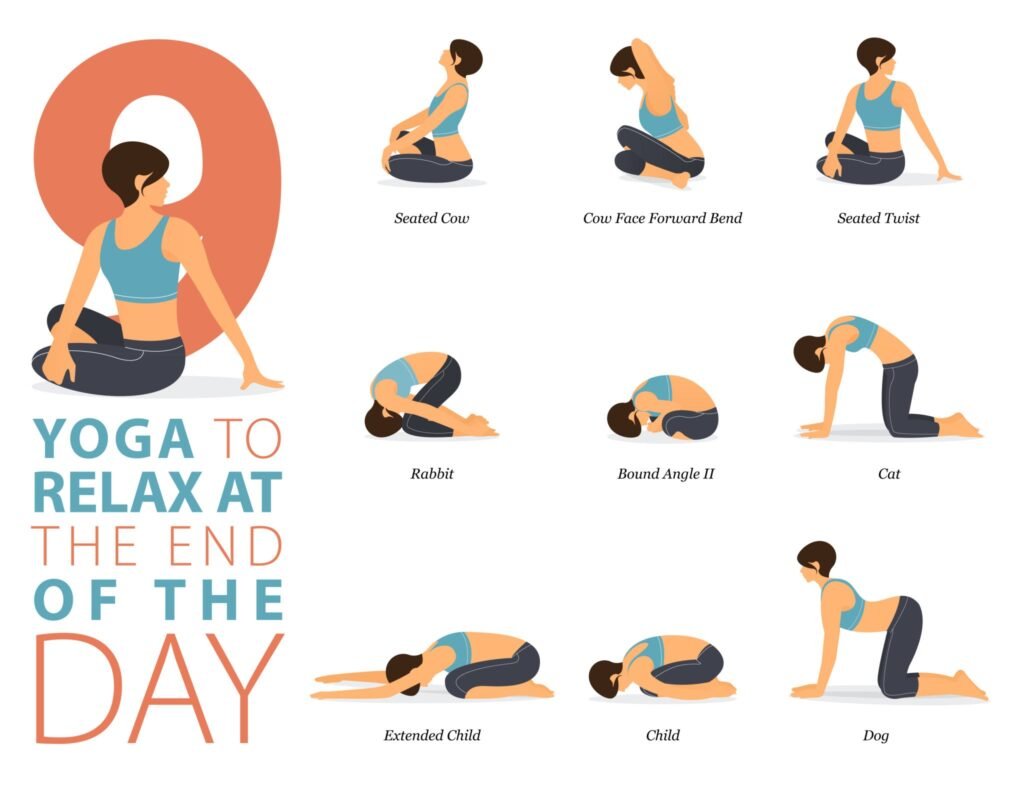
Modern living has quietly raised the bar on what our minds and bodies are expected to handle. Between demanding careers, digital overload, and shrinking time for rest, more people than ever are dealing with stress, anxiety, and sleepless nights — much of it rooted in poor lifestyle habits and a lack of physical movement. This growing imbalance is exactly why yoga has become so relevant today. It offers a practical, time-tested path back to health and inner harmony. In this article, we explore the true importance of yoga in our daily life and how it can transform the way we live.
What Does Yoga Really Mean?
The word “yoga” comes from Sanskrit and translates to “to unite” or “to join.” At its core, yoga is about creating balance — between body, mind, and spirit. It’s far more than a physical workout; it’s a discipline that helps us navigate daily stress, understand our deeper purpose, and build a stronger connection with ourselves. Practiced consistently, yoga becomes a guide toward self-awareness, inner peace, and a more meaningful existence.

Why Yoga Deserves a Place in Everyone’s Routine
Yoga isn’t reserved for the flexible or the fit. It’s practiced in wellness centers, hospitals, sports facilities, rehabilitation programs, and schools across the world — precisely because it welcomes everyone, regardless of age or physical ability. No special skills or “stunts” are required. What yoga does ask for is consistency, patience, humility, and an open mind. These qualities, paired with regular practice, pave the way toward genuine self-realization.
The Five Core Benefits of Practicing Yoga Daily
Yoga contributes to overall wellbeing across five key dimensions:
- Physical health — building strength, flexibility, and vitality
- Mental health — reducing stress and sharpening focus
- Social health — improving how we connect with others
- Spiritual health — deepening self-awareness and inner peace
- Self-realization — understanding our true purpose
These outcomes are reached through simple, consistent choices: treating others with kindness, respecting nature and all forms of life, cultivating a peaceful mindset, following a balanced (often vegetarian) diet, and maintaining a positive, health-conscious lifestyle.
How Yoga Strengthens Physical Health
There’s an old saying worth remembering: health isn’t everything, but without it, everything else falls apart. Physical wellbeing is the foundation everything else is built on, and yoga supports it through a structured combination of postures (asanas), breathing techniques (pranayama), and deep relaxation.
Many yoga systems follow a progressive, multi-level structure — often starting with foundational, accessible poses before advancing further. Specialized sequences also exist for specific needs, such as routines designed for back pain, joint health, seniors, busy professionals, and children. Beyond movement, techniques like concentration exercises, deep relaxation, and specialized practices such as mudras and bandhas round out a complete approach to physical wellness.
Diet plays an equally important role. What we eat shapes not just our body but our mindset and habits. A wholesome diet built around whole grains, vegetables, fruits, legumes, nuts, seeds, dairy, and natural sweeteners like honey supports sustained energy and clarity. On the flip side, processed foods, reheated meals, and substances like alcohol, nicotine, and other drugs work against the very balance yoga aims to create.
How Yoga Improves Mental Health
Yoga has a measurable calming effect on the mind. Regular practice increases body awareness, eases muscle tension and inflammation, and helps regulate the nervous system. It also sharpens concentration and builds the kind of mental resilience needed to handle everyday pressure. This is precisely why yoga has become a go-to tool for managing stress in the modern world.
How Yoga Supports Social Wellbeing
Social health isn’t just about being around people — it’s about genuine happiness, meaningful connection, and a sense of responsibility toward the community around us. Yoga nurtures this by encouraging empathy, communication, and active participation in the wellbeing of others.
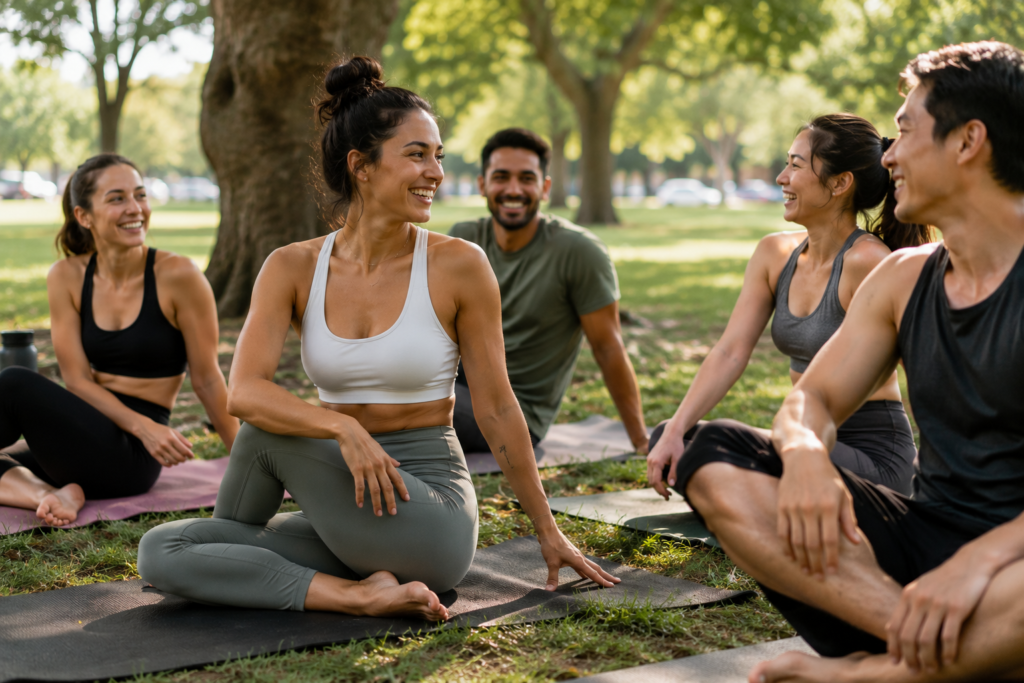
Issues like addiction often stem from social disconnection, and yoga offers a constructive alternative: a renewed sense of purpose and positive direction. The company we keep also shapes who we become, and a supportive, positive social circle plays a real role in personal and spiritual growth. Living by yoga’s principles means working not just for personal benefit, but for the good of the wider community — protecting the environment, contributing meaningfully, and fostering peace.
How Yoga Nurtures Spiritual Growth
At the heart of yoga’s spiritual philosophy lies a simple but powerful principle, rooted in Buddhist teaching: Ahimsa — non-violence is the highest duty. This means practicing non-injury in thought, word, and action — a philosophy that shapes how we treat others and the world around us.
Prayer, meditation, mindfulness, and patience all deepen this spiritual dimension. Yoga reminds us that our role isn’t to dominate or destroy, but to protect and uphold the dignity of all life. Importantly, yoga isn’t tied to any one religion — it’s a spiritual practice that transcends religious boundaries and speaks to a universal search for meaning.
Final Thoughts
The importance of Yoga in our Daily Life goes far beyond physical fitness. It’s a holistic path that touches the body, mind, social connections, and spirit — guiding practitioners toward self-understanding and a more balanced way of living. The choice to prioritize your health and wellbeing is entirely yours. Yoga is accessible, simple to begin, and capable of addressing many of the health challenges common in today’s fast-paced world. All it takes is commitment — and the results will follow.