While scrolling through images of individuals relaxing on yoga mats surrounded by singing bowls and wondering about their experience, you are definitely not alone. Sound Healing for Beginners is an increasingly popular topic as the practice of sound healing has made a transition from specialized wellness groups to popular studios, retreats, and even company wellness programs. However, if you have never attended one of these sessions, it’s natural to wonder: What should I wear? What will happen there? More importantly: Is any of this real, or am I just paying for a nap?
Below, you can find your honest, no-nonsense guide to entering the world of sound healing for beginners.
What Is Sound Healing, Exactly?
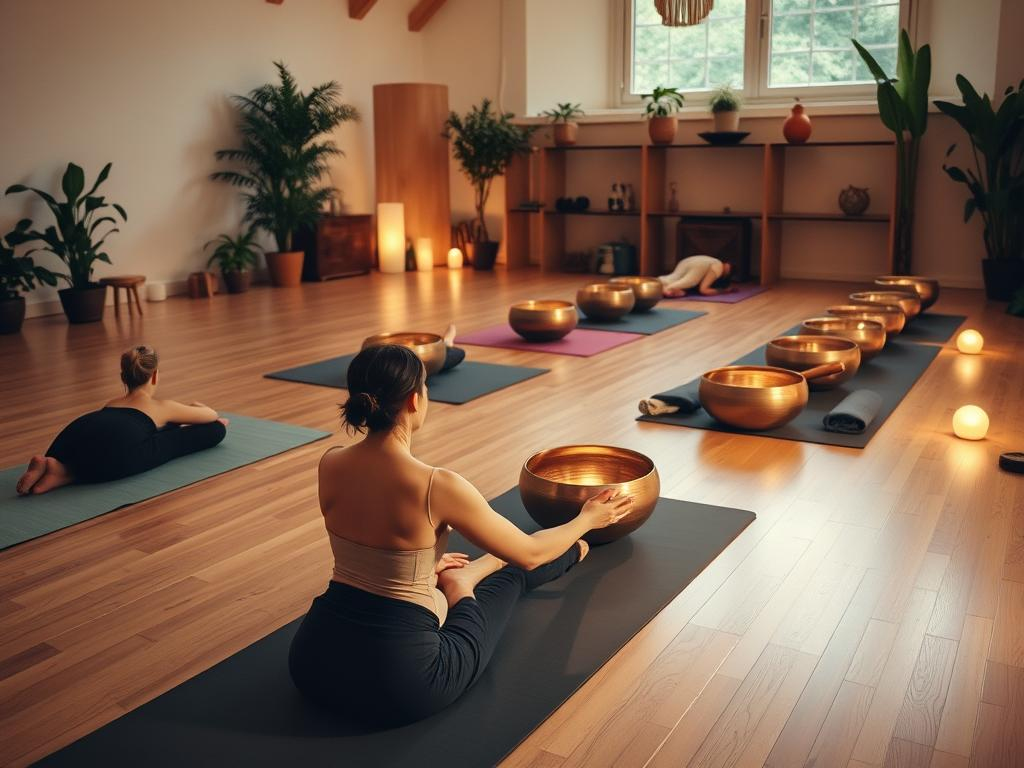
Sound healing, which may also be referred to as a sound bath, is an exercise that involves a person playing instruments like singing bowls, gongs, chimes, tuning forks, or handpans, while the participants just lie and listen. It does not involve melodies; neither does it have any performer who will perform for the audience.
It has been termed sound bath because the participants immerse themselves in sound, similar to how they would immerse themselves in water.
What to Wear in Sound Healing for Beginners Class?
This is one of the most frequent beginner questions, and the answer to this is refreshingly simple: comfort is the only rule.
- Baggy and airy layers. You’ll be lying still for 45-75 minutes, and body temperature tends to fall while in deep relaxation mode, so consider a light sweater or wrap even if the weather outside is hot.
- Comfortable and soft clothing that won’t restrict your breathing. Think of wearing leggings, joggers, or baggy pants rather than jeans and anything else with a tight waistband.
- Several layers over yoga wear. Many come straight after yoga classes, which is great, but you don’t have to have any sound healing clothes. Anything comfortable enough to fall asleep on the floor would do.
- Socks. Most rooms are cold, and shoes are removed, so consider socks as well.
- Don’t use perfumes or any other strong scents. You’ll be in proximity to other people in an isolated, sensory environment.
- Many studios provide mats, bolsters, and blankets, but eye masks can help you immerse yourself better.
What to Expect During a Sound Healing for Beginners Session
As you might be envisioning some form of guided meditation, think again — sound healing for beginners is more passive in nature.
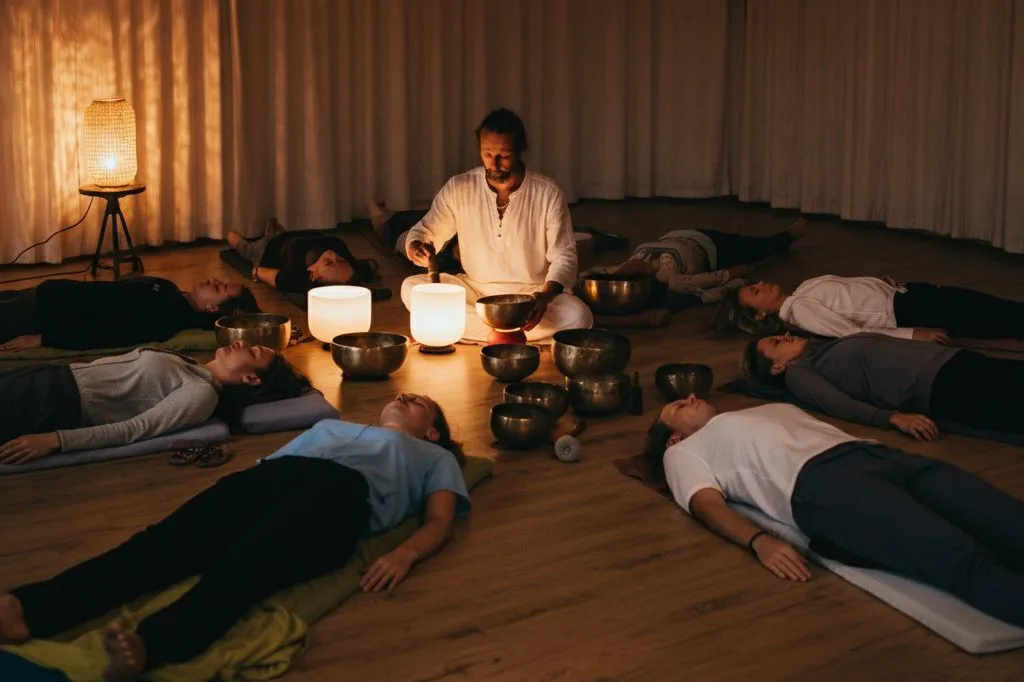
Pre-session: You would usually recline on a mat, lying on your back (Savasana style) with a blanket and bolster supporting your knees from underneath in order to give your lower back extra support. Sometimes there may be an introductory exercise conducted to calm you down.
Session: The facilitator works her way through the various sound instruments, typically beginning with a grounding instrument such as a deep gong or drum, then transitioning to layers of the singing bowls, and finishing with chimes or toning. During the process, you do nothing at all. People have been known to doze off. They become emotional. They experience physical sensations such as tingling or heaviness. These are all considered natural reactions.
Post-session: The experience is usually brought to an end with a gentle wind-down where the sounds fade away, lights come on gradually, and you’re given time to yourself to open your eyes.
Usually lasting 45 to 60 minutes, a sound healing class can go up to 90 minutes in some cases.
Does Sound Healing Actually Work?
And here’s the truth: It all comes down to the definition of “work.”
Evidence from scientific literature: There have been several small-scale scientific studies suggesting that sessions of sound meditations were linked with decreased levels of tension, anger, and fatigue, and an improved state of well-being. There was some research conducted on singing bowl meditation, revealing lower levels of both blood pressure and heart rate – which is in line with switching to a parasympathetic nervous system state. That is what really happens – sound therapy works mostly through switching the state of the nervous system from a stress state to a relaxation one, rather than mystical alignment of energies, however it might be explained by its practitioners.
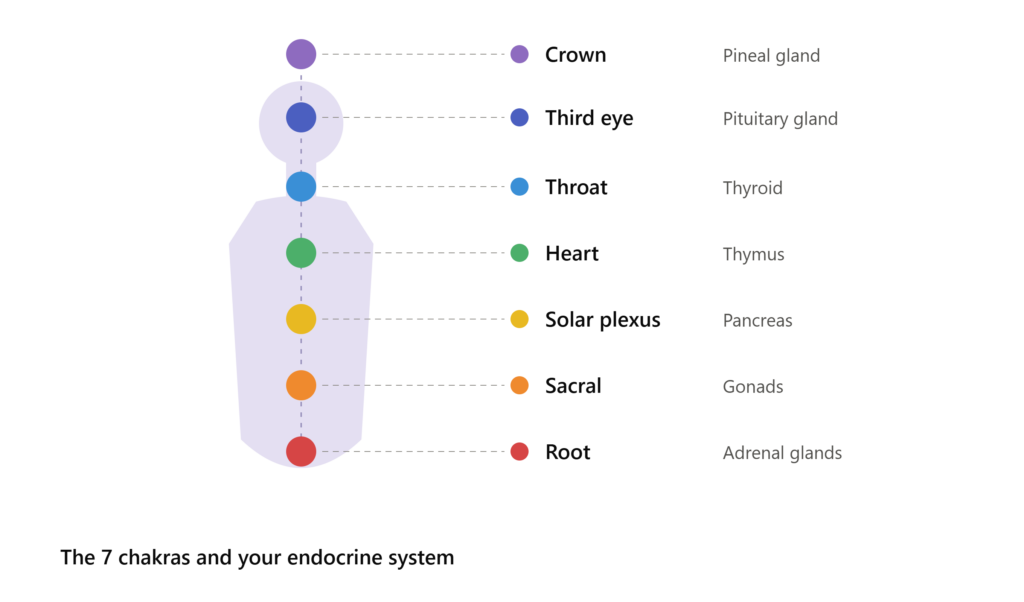
What’s less proven: The claims of frequencies that “heal” cells, balance out chakras, or heal physical ailments are not substantiated scientifically. If there are major health claims involved in a session, then one should be skeptical about it.
What most regular attendees report: deep relaxation, a meditation-like state which is much easier to achieve than in silent meditation, decreased anxiety several hours later, and even quite powerful emotional releases. It works perfectly for those people who are beginning to practice sound healing since it provides the mind, which is worried too much and is full of thoughts, with something else to think about — namely, the sounds themselves.
So, does it work? It works as a relaxation method very well indeed. As a panacea, however, it requires skepticism.
Tips for Your First Sound Healing Session
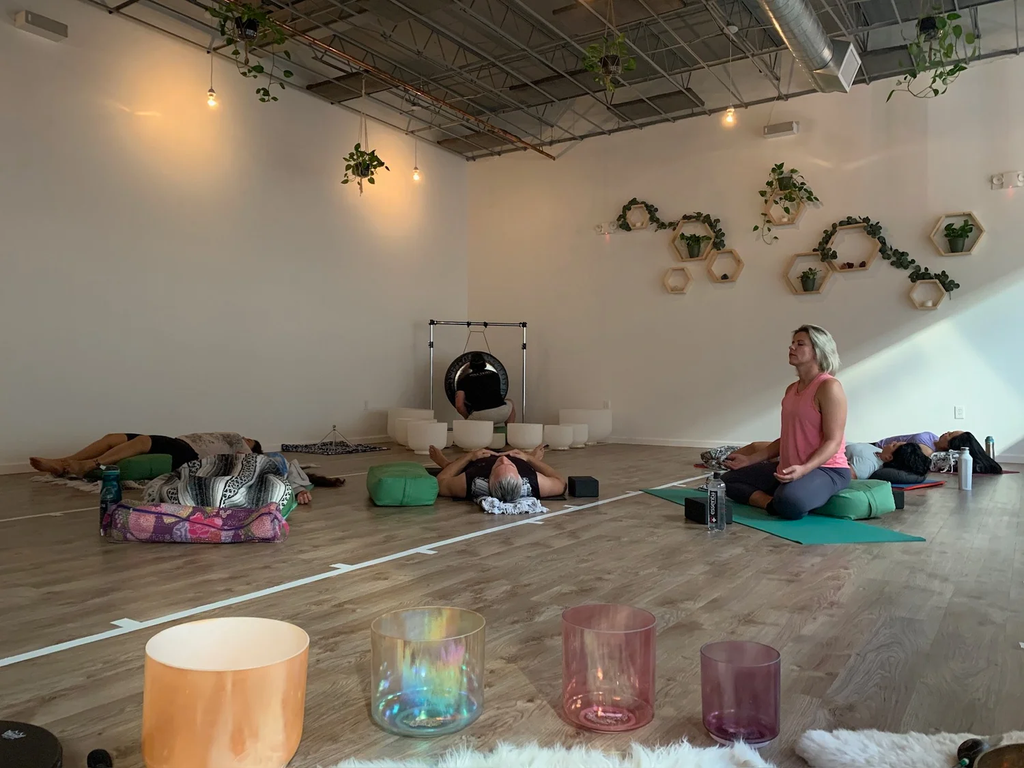
- Come 10 to 15 minutes early so that you are not rushing to enter the state of relaxation
- Do not consume any heavy food before coming for it, as you will be lying flat during the session
- Do not resist falling asleep in case it happens, as even resting counts as receiving
- Take plenty of water afterwards, as some people experience mild headache and emotional sensitivity after the session
Pairing Sound with Movement
However, if being still for one hour seems challenging at first attempt, starting slowly with movements might be a good option. In that case, our Yin Yoga practice prepared specifically for the “yin yoga and sound healing” combination will come in handy; in yin, you stay in a certain position for a relatively long time, so your body and mind get used to stillness before the bowls begin to play.
Ready to Try It in Person?
It is not enough to just read about what sound healing for beginners is; it is more likely to be experienced than explained in words. So, if you are looking for a unique place to undergo a sound healing session, our sound healing in Goa experience combines the practice with the environment of complete sensory relaxation.
Quick takeaway: Wear soft clothing with layers, prepare yourself for doing nothing but lying down and listening, and keep in mind that despite not being a miracle remedy, sound healing has been scientifically proven to have the potential to soothe your nervous system and bring peace to your active mind.