Finally thinking of joining a yoga class? Then the real question hits you. What is the difference between Bikram and Hatha? Between hot yoga and Anusara? This guide walks you through nine beginner-friendly yoga styles. Read on and find the one that fits you.
9 Yoga Styles for Beginners
Anusara
Anusara is a newer yoga style. American yogi John Friend created it in 1997. It rests on a simple belief. All of life is filled with natural goodness. The physical practice helps you experience grace. You shine through your inner goodness and open your heart.
ASHTANGA
Ashtanga is based on ancient yoga teachings. K. Pattabhi Jois made it popular and brought it to the West in the 1970s. You flow and breathe through a set series of poses. This builds internal heat. It feels a bit like Vinyasa yoga. Each asana is held for five breaths. A half Sun Salutation keeps the pace between poses. Want to study yoga in depth? Consider a 200-hour yoga teacher training in India. For a dedicated Ashtanga immersion, explore our Ashtanga yoga teacher training in Goa.
VINYASA
Vinyasa links your movement with your breath. It feels like a dance. Teachers guide you through poses in a continuous flow. There is no stopping between poses. You get a solid workout and a real yoga experience. Some studios call it flow yoga or dynamic yoga. The word Vinyasa is Sanskrit. It translates as “to place in a special way”.
IYENGAR
Iyengar and Ashtanga come from the same lineage. B.K.S. Iyengar developed Iyengar yoga. K. Pattabhi Jois developed Ashtanga. Both learned from Tirumala Krishnamacharya. Most poses are the same in both styles. The approach is different. Iyengar yoga focuses on correct alignment. You can practice it at any age. It suits people with injuries. There is little jumping. Your heartbeat stays steady. It is still challenging for body and mind.
HATHA
Hatha is a broad term. It covers any yoga that teaches physical postures. It is the most taught yoga in the West. Classes are gentle and slow-moving. You hold each pose for a few breaths. You leave feeling relaxed, longer and looser. You will not sweat much. This makes it ideal for beginners. Ashtanga, Iyengar and Power Yoga are all forms of Hatha. The word Hatha means sun (ha) and moon (tha).
BIKRAM
Bikram Choudhury created this style in the 1970s. Classes happen in rooms heated to 105 degrees with 40 per cent humidity. Every Bikram studio teaches the same 26 poses in 90 minutes. You will sweat like never before. The poses stretch and strengthen muscles. They compress and rinse the organs. Like Ashtanga, Bikram follows a fixed sequence. The sequence itself is different. This style suits anyone who loves to sweat.
RESTORATIVE
Restorative yoga soothes frayed nerves. It heals body and mind with simple poses. Hold them for up to 20 minutes. It is very similar to Yin yoga. You use blocks, blankets and bolsters. The props let you rest in passive poses. You feel the benefits without effort. Many studios offer these classes on Friday nights. It is more recharging than a nap.
KUNDALINI
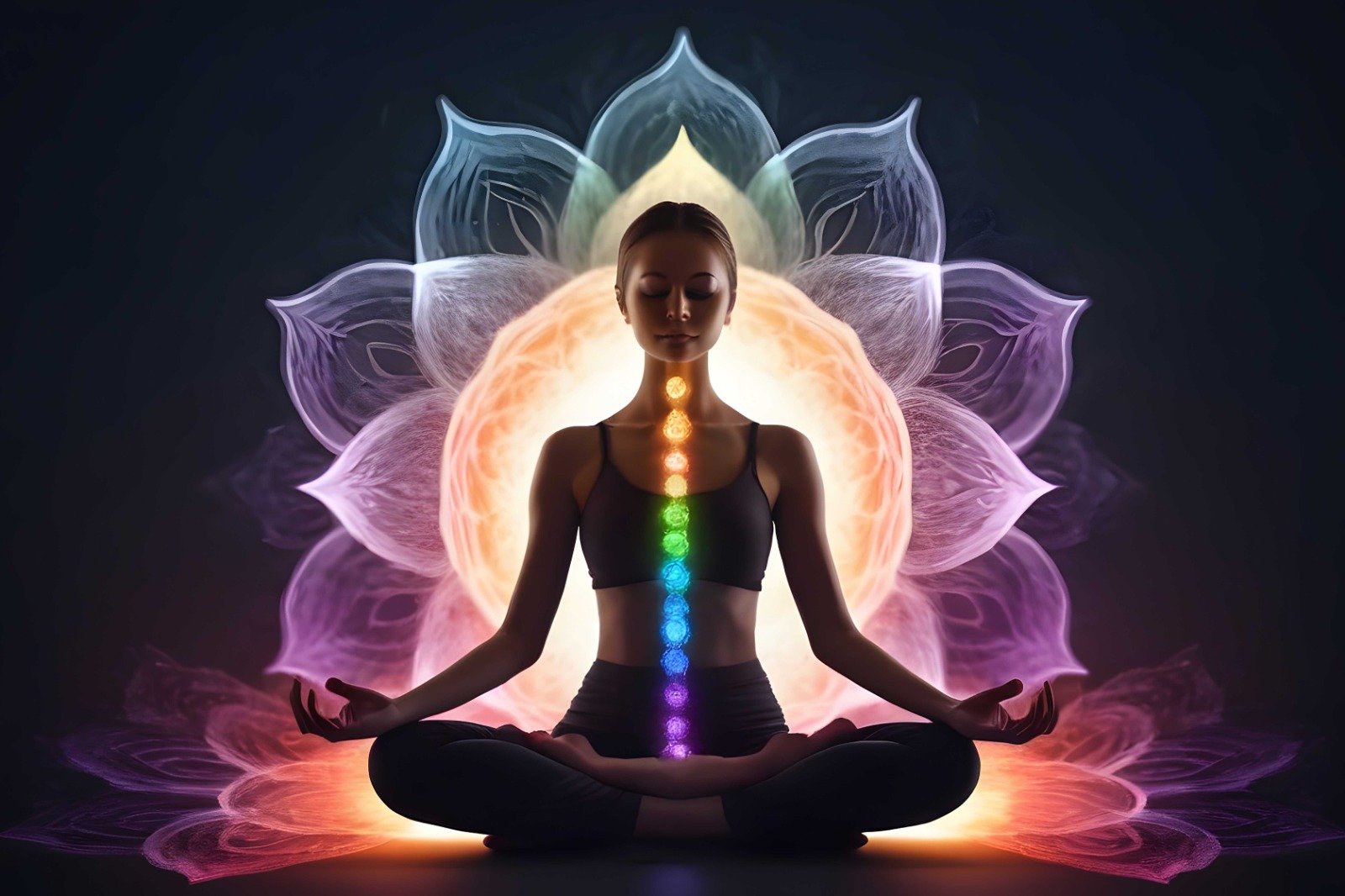
Kundalini yoga awakens energy in your spine. It combines meditation and breathing techniques. These include alternate nostril breathing. You also chant and practice yoga poses. The postures pair with intense breathwork. The practice is physically and mentally challenging. It looks different from a typical yoga class. It suits anyone seeking a spiritual practice. It offers more than a workout. It focuses on energy, breathwork and meditation. The goal is to release untapped energy. You gain self-awareness and break through inner barriers.
YIN
Yin yoga comes from the Taoist tradition. It focuses on seated postures. It targets the connective tissues of the hips, pelvis and lower spine. You hold each pose for 1 to 10 minutes. The aim is more flexibility and a feeling of release. It teaches the basics of meditation and a still mind. It suits anyone who wants to relax deeply. It is not for very flexible people. It is also not for people with a connective tissue disorder.
These are nine beginner-friendly yoga styles. Try a few and see which one fits you. The right style is the one you will keep practicing.