 Skip to main content Skip to footer
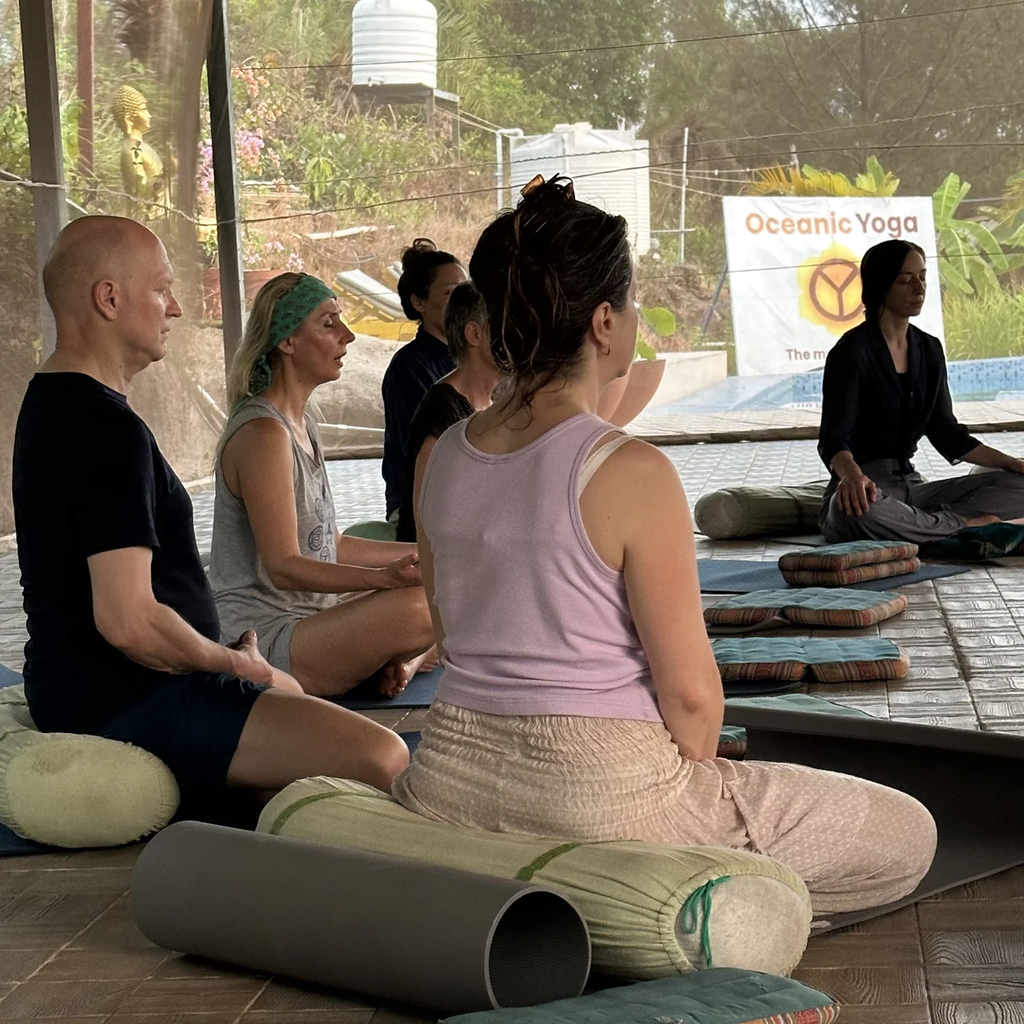
Ayurvedic wellness is a holistic approach to health rooted in Ayurveda, a 5,000-year-old system from India whose name literally means “the science of life.” Instead of just treating symptoms, it focuses on preventing imbalance in the first place, through diet, daily routine, movement, and mindset, tailored to your individual constitution, known as your dosha. It’s less a single treatment and more a whole way of living in tune with your body and the seasons.
If you’ve seen “Ayurvedic wellness” on a spa menu, a retreat brochure, or a wellness app and wondered what it actually means beyond the buzzword, here’s the real, simple version.
Ayurveda, Explained Simply
Ayurveda comes from two Sanskrit words: ayur (life) and veda (knowledge or science). Put together, it means “the science of life.” Originating in India thousands of years ago, it’s considered one of the oldest continuously practiced health systems in the world.
At its core, Ayurveda works from one simple idea: your body, mind, and environment are deeply connected, and true wellness comes from keeping all three in balance, not just from treating problems once they appear.
The Three Doshas: Your Personal Blueprint

Central to Ayurvedic wellness is the idea of doshas, three energies believed to govern different functions in the body and mind. Everyone has all three, usually with one or two more dominant than the other.
| Dosha | Elements | Generally Associated With |
| Vata | Air and space | Movement, creativity, quick thinking |
| Pitta | Fire and water | Digestion, metabolism, focus and drive |
| Kapha | Earth and water | Structure, stability, calm and endurance |
Your unique combination of doshas is called your prakriti, essentially your natural constitution. Ayurveda holds that when your doshas drift out of their natural balance, often due to stress, poor diet, or seasonal changes, you’re more likely to feel off, whether that shows up as low energy, poor digestion, or a restless mind.
Core Principles Behind Ayurvedic Wellness
Ayurvedic wellness isn’t one single practice. It’s a set of principles applied across daily life:
- Personalization. What balances one person’s dosha may aggravate another’s. There’s no single “right” diet or routine for everyone.
- Prevention over cure. The focus is on maintaining balance before illness develops, not only responding after symptoms appear.
- Agni (digestive fire). Good digestion is seen as central to overall health, influencing energy, mood, and immunity.
- Daily rhythm (dinacharya). Simple routines, like waking early, eating at consistent times, and winding down before bed, are believed to support balance.
- Seasonal awareness. Diet and lifestyle are adjusted through the year, since doshas are thought to shift with the seasons too.
How Ayurveda and Yoga Fit Together

Ayurveda and yoga are often called sister sciences, both emerging from the same ancient Indian wellness tradition, and both built around the same core idea: balance between body, mind, and spirit.
In practice, this shows up as:
- Choosing a yoga practice style suited to your dosha (calming practices for Vata, cooling practices for Pitta, energizing practices for Kapha)
- Using breathwork (pranayama) to support emotional and physical balance
- Eating and resting in a way that complements your physical practice, rather than working against it
This is one reason many yoga teacher training, including those here in Goa, include an introduction to Ayurvedic principles alongside yoga philosophy. Understanding both gives future teachers a fuller, more traditional view of wellness, not just physical postures.
Simple Ayurvedic Habits Anyone Can Try
You don’t need a full consultation to start exploring Ayurvedic wellness. A few gentle starting points:
- Wake and sleep at consistent times. Ayurveda places real value on routine.
- Eat your largest meal around midday, when digestion is traditionally considered strongest.
- Favor warm, freshly cooked food over cold or heavily processed meals, especially if you tend to feel low energy or have a sensitive digestion.
- Build in quiet time, even ten minutes of stillness or gentle breathing, especially if you lean toward a busy, Vata-like mind.
- Notice the seasons. Lean toward grounding, warming habits in cooler months and lighter, cooling habits in hot weather.
A Word of Caution
Ayurveda includes a wide range of practices, from simple daily habits to herbal remedies and specialized treatments. Daily lifestyle habits like the ones above are generally safe for most people to explore on their own. Herbal remedies and more intensive treatments are a different matter. Some Ayurvedic products sold without proper regulation have been found to contain unsafe levels of heavy metals, so it’s worth seeking a qualified, registered Ayurvedic practitioner rather than self-prescribing herbs or supplements, and checking with your doctor if you have an existing health condition or take medication.
Why India (and Goa) Remain Central to Ayurvedic Wellness
Ayurveda has deep roots across India, and many travelers combine a yoga teacher training with exposure to Ayurvedic principles as part of a broader wellness journey. Goa’s relaxed pace, warm climate, and access to fresh, simple food make it a natural setting to experience this lifestyle firsthand, not just read about it.
Explore Ayurveda and Yoga Together in Goa
At Oceanic Yoga International in Morjim, Goa, Ayurvedic principles are woven into our yoga philosophy teaching, giving you a fuller picture of holistic wellness alongside your physical and teaching practice.
👉 Explore our 200-Hour Yoga Teacher Training
👉 See our 300-Hour Advanced Training
👉 Ask us about the philosophy and wellness side of our programs
FAQs
1. What does Ayurvedic wellness actually mean?
It refers to a holistic approach to health based on Ayurveda, an ancient Indian system focused on preventing imbalance through personalized diet, daily routine, and lifestyle, rather than only treating symptoms after they appear.
2. What are the three doshas?
Vata (air and space, linked to movement and creativity), Pitta (fire and water, linked to digestion and drive), and Kapha (earth and water, linked to stability and calm). Everyone has a unique mix of all three.
3. Is Ayurveda a form of medicine or a lifestyle?
It’s both. Ayurveda includes formal medical practices used in India, as well as everyday lifestyle principles, like diet and daily routine, that many people adopt without seeing a practitioner.
4. How are Ayurveda and yoga connected?
They’re often called sister sciences, both rooted in the same ancient Indian tradition and both built around balancing body, mind, and spirit. Many yoga trainings introduce basic Ayurvedic principles alongside yoga philosophy.
5. Can I start Ayurvedic habits without seeing a practitioner?
Yes, for general lifestyle habits like consistent sleep, eating patterns, and mindful routines. For herbal remedies or treating a specific health condition, it’s best to consult a qualified Ayurvedic practitioner and your doctor.
6. Is Ayurveda scientifically proven?
Ayurveda is a traditional system with thousands of years of practice behind it, and some of its lifestyle principles align with general wellness guidance. However, it is not the same as modern evidence-based medicine, and specific treatments should be discussed with qualified professionals..
