
Anyone who has been looking at different yoga classes recently must have noticed how often the term ‘Yin Yoga’ pops up in the schedule of studios. While regular yoga classes imply movement and a lot of sweating, in Yin Yoga, the pace slows down significantly, almost to a complete halt. This change may come as a surprise to those practicing yoga for the first time.
Here we will give you a beginner’s guide to yin yoga and talk about everything you need to know about this type of practice, including what happens in a yin yoga class, the benefits of practicing yin yoga, the differences from the popular style of Vinyasa and, of course, the age-old question – is yin yoga hard for beginners?
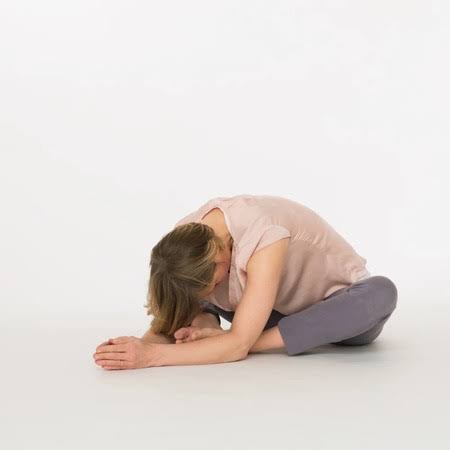
What Is Yin Yoga?
Yin yoga is a slow form of yoga in which the asanas are practiced for long durations, ranging between two and five minutes or even longer. Rather than going through a set of postures using the strength of muscles (as in other forms of yoga), here you go into an asana, soften the muscles, and hold it as gravity works in.
This form of yoga involves the principles of traditional Chinese medicine and acts on the connective tissues of the body (fascia, ligaments, and joints), not the muscles. This is precisely what sets Yin yoga apart from any other form of yoga that exists and is the very first thing one needs to know when asking, “what does yin yoga do for your body?”
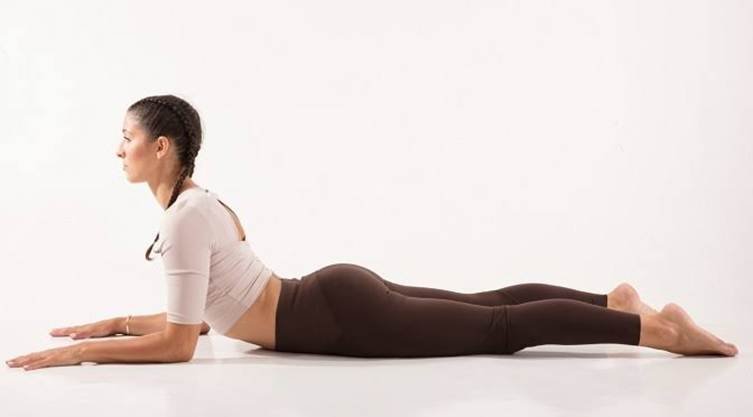
What Does Yin Yoga Do for Your Body?
Since Yin Yoga focuses on the connective tissues as opposed to muscles, it creates an effect that is different from one created by strength and flow styles of yoga practice. What really occurs when you spend some minutes in a position?
- The connective tissue is being subjected to sustained pressure and stretch. This particular type of tissue responds to the stretching differently since it has been subjected to stretching in a gentle manner.
- There is an increase in circulation to the joints. There is an improvement in blood flow to the areas that are not normally reached through other styles of yoga practice.
- The nervous system relaxes. Combining long poses with relaxed breathing triggers the activation of the parasympathetic nervous system, also referred to as the “rest and digest” mode, which helps to reduce stress hormones and alleviate physical tension, which is usually held in the body.
- Flexibility increases. The type of flexibility developed through Yin Yoga is not the sudden stretch you get while performing a hamstring stretch after running. Rather, this is the slow and sustainable type of opening that is achieved over time with regular training.
- None of the above occurs overnight. Yin Yoga requires patience, and physical changes occur gradually, not immediately.
The Benefits of Yin Yoga for Beginners
But the advantages of Yin Yoga do not stop at flexibility. Here are some reasons why many people who started in Yin for the stretching stay with Yin for all its other benefits:
- Helps in relaxing and relieving. Being still for a few minutes allows you to find peace of mind and therefore makes Yin an excellent choice for people who suffer from anxiety, exhaustion, or simply have an overly stimulated nervous system.
- Increased joint mobility. Since the poses focus on connective tissue rather than muscles, Yin Yoga may help you improve your hip, shoulder, or spine mobility, which will complement your active training.
- Meditative mind reset. Being held in poses and being able to pay attention to your breathing and non-reactive approach is a skill that will be useful to you in everyday life.
- Balance of active training. People who run, lift weights, or practice Vinyasa often add Yin yoga to their routine to balance the effects of more yang practices.
- Sleeping better. Activation of the parasympathetic nervous system after a Yin Yoga practice, especially before going to bed, may improve your sleeping experience.
- Accessibility. Because poses are done on the floor and modified with props, Yin Yoga is approachable for a wide range of bodies, ages, and fitness levels.
Yin Yoga vs. Vinyasa: What’s the Real Difference?
If you’ve tried a Vinyasa class in the past, going into your first Yin class may seem like you’re doing something completely new, and for good reason. Here’s why Yin and Vinyasa yoga differ:
| Aspect | Yin Yoga | Vinyasa Yoga |
| Pace | Slow and still | Fast-flowing and continuous |
| Pose Duration | 2–5+ minutes per pose | A few breaths per pose |
| Target | Connective tissue (fascia, ligaments, joints) | Muscles and cardiovascular endurance |
| Effort Level | Passive, with muscles relaxed | Active, with continuous muscle engagement |
| Number of Poses per Class | Usually 6–10 poses | Dozens of poses linked together |
| Energy | “Yin” — grounding, internal, and quiet | “Yang” — dynamic, external, and energizing |
| Best For | Flexibility, stress relief, and recovery | Strength, stamina, and cardiovascular fitness |
Many yogis have found that Yin and Vinyasa yoga work well together. Vinyasa yoga provides strength and heat, while Yin yoga provides restoration and elongation of what was tightened in Vinyasa yoga.
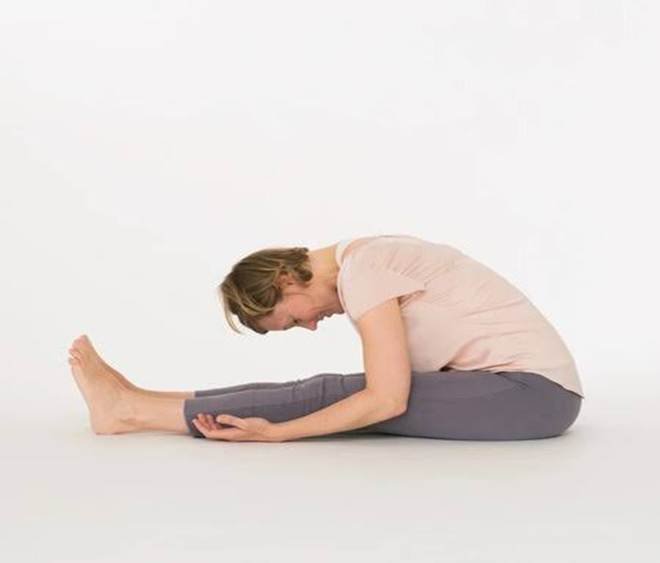
What to Expect in Your First Yin Yoga Class
Here is roughly what a Yin class is like from the first minute of entering the room:
- A quiet atmosphere. The lighting is always dim, and there is little or no music at all, just some kind of background noise.
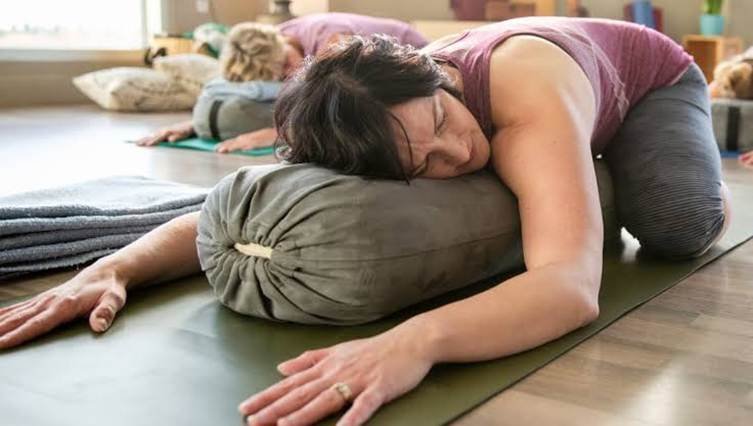
- Lots of props. Bolsters, blankets, blocks, and straps are used freely to allow your body to completely relax and your muscles to get deep into a pose.
- Long stays. The teacher will put you into a pose and leave you to stay there in silence for several minutes before proceeding to another one.
- Feeling comfortable, not intense. Here you will try to achieve a “mild to moderate” feeling of stretching – definitely not that sharp and challenging one you are used to in other practices.
- Not too many poses. Six to eight poses in a one-hour class is a good estimate. For someone accustomed to Vinyasa, this will be a dramatic change.
- Some extra time for thinking. Teachers often include some guided breathing or a few silent moments between poses, and a session always ends with a long Savasana (the final relaxation pose).
For those who would like a more detailed description of some of the postures you may be expected to perform, the Oceanic Yoga provides an excellent guide on the 26 Yin Yoga Poses, listing all the postures that make up the foundation that teacher training programs and studios include in their classes.
Is Yin Yoga Hard for Beginners?
This is likely to be the biggest concern that you have if you are just starting, and therefore we will directly answer this question: Is yin yoga hard for beginners?
No – physically speaking, yin yoga is actually one of the easier forms of yoga. There are no requirements for flexibility, strength, or prior knowledge, and poses are performed on the floor using props that are not considered cheating but are encouraged.
Not physically, at least; Yin Yoga happens to be among the more approachable forms of yoga out there. No flexibility, strength, or experience needed to join. The poses are performed from the floor position; the use of props is not discouraged, and you don’t have to try to reach a certain form.
The problem for many beginners lies in the mental state. Three to five minutes of sitting in a pose, without the help of movement to distract yourself, might produce feelings of restlessness, boredom, or even some sort of physical discomfort you don’t know how to handle yet. Your mind will run away, some parts of the body will ache in ways they didn’t before, and you’ll be tempted to move or leave the pose. This is perfectly natural and is meant to happen this way.
Several recommendations for the first class:
- Props are good to use frequently. If the pose feels slightly uncomfortable for you, try using a bolster behind the knees or placing a blanket below the hip region.
- Breathe through any discomfort, yet be mindful of pain. The mild stretch feeling is acceptable, but sharp or joint pain is unacceptable, and you should exit the pose.
- Allow yourself to drift off, and then come back to your practice. You do not have to meditate perfectly. Simply noticing your drifting thoughts and bringing them back to focus on your breath is the meditation itself.
- Don’t give up after just once. Like any other new skill, your very first yoga session will seem foreign to you. Most people get better at it after two or three sessions.
Getting Started
Those who are interested in taking a beginner’s class for yin yoga can look out for classes called “Yin,” “Yin & Restorative,” or “Slow Flow w/ Yin” at their studio or begin by watching an online video. You should come wearing comfortable clothing and bring a few blankets because this is not a practice that will cause sweating.
Yin Yoga is not a practice that asks your body to push itself to its limits; rather, it is about allowing your connective tissues, nervous system, and mind the time to slow down. This type of yoga is practiced regardless of whether one comes straight from a rigorous workout regimen or is a complete novice.