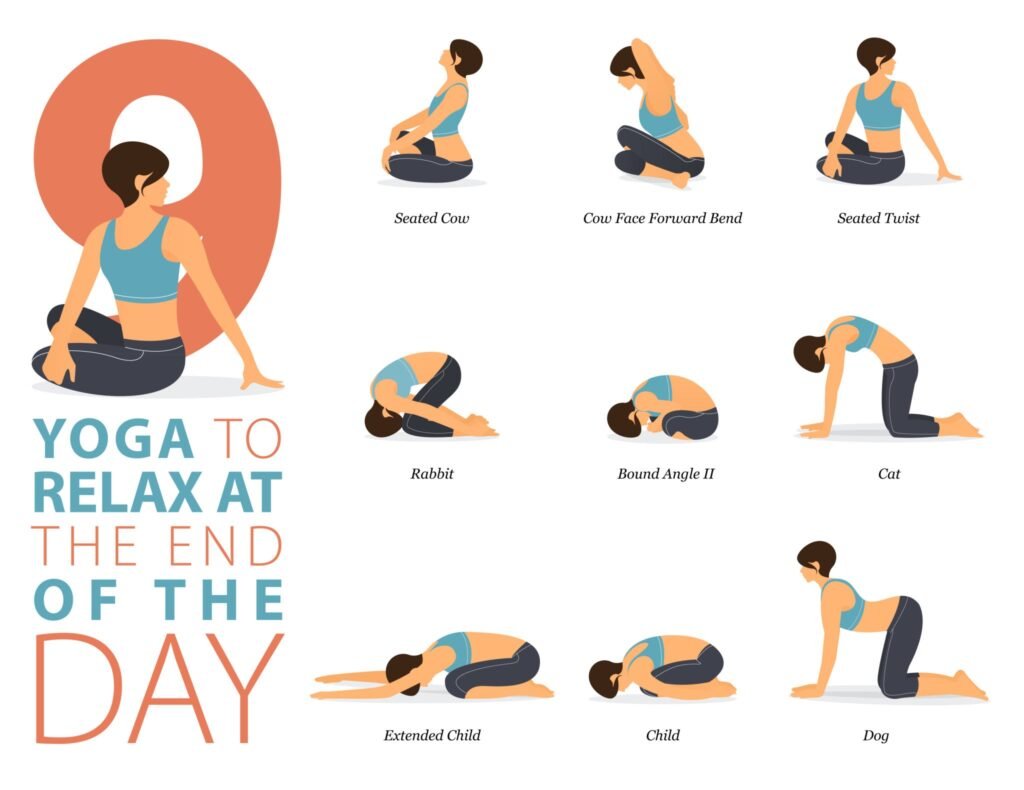
The rhythmic ebb and flow of a woman’s menstrual cycle is a natural and integral part of her life. However, for many women, this monthly journey can bring along discomfort, pain, and emotional turbulence. Enter yoga, a timeless practice that offers a holistic approach to maintaining a healthy menstrual cycle(yoga teacher training in Goa). In this blog, we’ll delve into the profound connection between yoga and menstruation, exploring how asanas, breathing techniques, and mindfulness can help women embrace their cycles with grace and balance. Discover the transformative power of yoga in fostering a healthier, more harmonious menstrual experience.
Benefits of Yoga during the Menstrual Cycle
The menstrual cycle is a significant part of a woman’s life, yet it often brings with it a variety of discomforts. From cramps to mood swings, many women find themselves grappling with these monthly challenges. However, yoga has been proven to offer numerous benefits during this time.
1. Pain Relief: Menstrual cramps can be excruciating, but specific yoga poses, like Child’s Pose, Cobra, and Cat-Cow, can provide relief by gently stretching and relaxing the abdominal muscles.
2. Stress Reduction: The hormonal fluctuations during menstruation can lead to increased stress and anxiety. Yoga’s emphasis on deep breathing and mindfulness can help alleviate these symptoms, promoting emotional balance.
3. Hormone Regulation: Regular yoga practice(200 hour yoga teacher training Goa) can help balance hormone levels by reducing cortisol, the stress hormone, and promoting the production of endorphins, which can alleviate mood swings.
4. Increased Circulation: Certain yoga poses, such as forward bends and inversions, encourage increased blood flow to the pelvic region, which can reduce bloating and improve overall circulation.
5. Enhanced Comfort: Yoga’s focus on body awareness allows women to connect with their bodies and better understand their physical needs during their cycle.
6. Improved Sleep: Yoga’s relaxation techniques can lead to better sleep, which is often disrupted during menstruation.
7. Emotional Balance: Yoga’s meditative aspects can improve mood and emotional stability, offering women a sense of calm and self-compassion during this challenging time.
Promote a healthy blood flow to the pelvic area
When the muscles around the pelvis are tense or if the pelvis is misaligned, it can impede this blood flow, resulting in restrictions within the pelvic area. To enhance your yoga routine, consider incorporating asanas that target the hip and thigh muscles, thus improving blood flow in the pelvic region.
1. Yogi Squat – Malasana
Malasana offers a well-rounded approach to balancing all doshas, with a particular focus on harmonising vata and pitta doshas. It plays a significant role in stabilising the downward-moving energy known as apana vayu.
Furthermore, Malasana yields various additional advantages:
- Enhances blood circulation in the pelvic region through the gentle stretching of pelvic floor muscles.
- Mobilises and loosens the hip joints, fostering flexibility.
- Aids in maintaining healthy elimination processes.
- Supports a regular and healthy menstrual flow.
2. Pigeon – Eka Pada Rajakapotasana
Pigeon pose is effective in harmonising the vata and pitta dosha while providing notable benefits. This asana is particularly adept at hip opening and offers a gentle stretch to the piriformis and psoas muscles. Consequently, it fosters healthy blood circulation in the pelvic area.
For a more restorative approach, the use of a bolster can be employed. This modification enables an extended duration in the pose, amplifying its therapeutic advantages and enhancing its soothing and nourishing impact on the nervous system.
3. Half moon – Ardha Chandrasana
Half moon pose, on the other hand, is a well-rounded asana that caters to all doshas, with a specific emphasis on balancing the kapha dosha. It achieves this by fortifying the legs and expanding the chest.
Here are the benefits:
- Increases blood circulation within the pelvic region and reproductive organs.
- Enhances mobility in the hip joints.
- Expands the chest, promoting balance.
- During menstruation, this pose can be executed with wall support, as it has the potential to alleviate menstrual cramps for some women.
4. Seated wide angle pose – Upavistha Konasana
Balancing both vata and pitta doshas, this asana offers a range of advantages:
- Enhances circulation to the hip joints and the pelvic region.
- Introduce a relaxed and gentle stretch in the pelvic floor.
- Soothes the nervous system.
- Provides potential relief from menstrual cramps by promoting relaxation in the abdominal area.
5. Bound Angle Pose – Baddha Konasana
Moreover, this pose effectively harmonises all doshas and boasts several benefits:
- Alleviates joint stiffness and promotes flexibility in the hips.
- Releases tension in the inner thighs and groins.
- Strengthens the pelvic floor, bladder, and uterus.
- Facilitates the smooth flow of apana vayu, an essential downward-moving energy.
What You Should Not Practice During Menstruation?
Understanding what to avoid can help ensure a safe and comfortable yoga practice while menstruating.
1. Inversions:
Inversions, such as headstands and shoulder stands, should generally be avoided during menstruation. These poses can disrupt the natural downward flow of menstrual blood, potentially causing complications. Inversions may also put extra pressure on the pelvic region, which can lead to discomfort or exacerbate cramps.
2. Intense Backbends:
Deep backbends, like wheel pose or camel pose, should be approach with caution during menstruation. These poses can put strain on the lower back and abdomen, potentially worsening menstrual cramps and discomfort. It’s advisable to practice milder backbends or gentle heart-opening poses instead.
3. Strong Core Work:
Poses that involve intense core engagement, such as boat pose or plank, can lead to increased abdominal pressure, which may not be suitable during menstruation. Opt for less strenuous core exercises or gentle stretches to avoid overexertion.
4. Twists:
While some gentle twists can provide relief from lower back pain and cramps, deep or intense spinal twists should be avoided. Excessive twisting can put pressure on the abdomen and interfere with the natural flow of the menstrual cycle.
5. Aggressive Asanas:
Avoid challenging and strenuous poses that may cause physical stress and exhaustion. Instead, opt for a gentler, more restorative yoga practice during your period.
6. Hot Yoga:
Intense heat and humidity can exacerbate fatigue and dehydration during menstruation. It’s advisable to skip hot yoga classes and choose a more moderate-temperature setting for your practice.
7. Overexertion:
Listen to your body and avoid overexertion during your period. Pushing yourself too hard can lead to increased fatigue and discomfort.
8. Pranayama Practices:
Certain pranayama (breathing) practices, such as breath retention (kumbhaka), should be approached with caution during menstruation. Instead, focus on gentle, calming breathwork like deep abdominal breathing or alternate nostril breathing (nadi shodhana).
9. Ignoring Your Body:
Above all, it’s essential to be attuned to your body’s signals. If you experience pain, discomfort, or fatigue during a particular pose or practice, modify or skip it. Your well-being should be the top priority.
Breathing Practices During Menstruation
Incorporating mindful breathing practices into your routine during this time can provide significant relief and promote overall well-being. These practices, when approach with sensitivity and awareness, can be powerful tools for managing menstrual symptoms and enhancing your menstrual experience.
1. Deep Abdominal Breathing (Diaphragmatic Breathing):
Deep abdominal breathing is a fundamental and accessible practice that can offer immediate benefits during menstruation. This technique involves taking slow, deep breaths that engage the diaphragm and expand the lower abdomen. It helps relax tense muscles, relieve stress, and reduce pain. Focusing on your breath can also act as a grounding anchor when you experience emotional fluctuations.
2. Alternate Nostril Breathing (Nadi Shodhana):
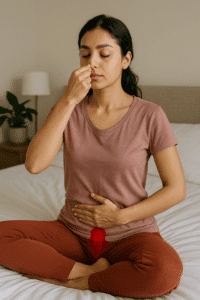
Nadi Shodhana, or alternate nostril breathing, is a pranayama practice that can help balance the body’s energy and reduce anxiety and mood swings. It involves inhaling and exhaling through alternate nostrils, using the thumb and forefinger to close off one nostril at a time. This practice promotes mental clarity, emotional stability, and a sense of balance during menstruation.
3. Bhramari Pranayama (Bee Breath):
Bhramari pranayama, known as bee breath, is a soothing practice that involves inhaling deeply and producing a soft, resonant humming sound during the exhalation. This practice can help calm the mind, relieve stress, and ease anxiety, making it beneficial for managing mood swings and emotional sensitivity during your period.
4. Sama Vritti (Equal Breathing):
Sama vritti, or equal breathing, is a simple yet effective technique. It involves inhaling and exhaling for the same duration, creating a balanced breath pattern. This practice can help stabilise your mood and emotions, allowing you to navigate the ups and downs of your menstrual cycle with more ease.
5. Ujjayi Pranayama (Ocean Breath):
Ujjayi pranayama, often called ocean breath, is characterised by a soft, subtle constriction of the throat during inhalation and exhalation, resulting in a soothing sound reminiscent of ocean waves. This practice can promote relaxation, reduce stress, and alleviate discomfort associated with menstruation.
6. Guided Relaxation and Meditation:
Mindful meditation and relaxation exercises tailored to menstrual discomfort can provide emotional and physical relief. These practices encourage you to focus your attention inward, fostering self-compassion and acceptance during this time.
Conclusion
The synergy of Yoga and Ayurveda collaboratively aids in maintaining hormonal balance throughout the monthly menstrual cycle. This balance is not only pivotal for ensuring smoother periods but also holds significant implications for women’s overall well-being and fertility. A crucial tenet in this endeavor involves aligning with the natural rhythm of a woman’s cycle, which encompasses dynamic, outwardly expressive, productive phases alongside intervals of introspection, rest, and rejuvenation. By delving into Ayurvedic principles, one can steer women towards a more harmonious and gratifying life, utilising the practices of Yoga and Ayurveda in tandem.