If you are over 40 and thinking about yoga teacher training, there is a good chance you have already talked yourself out of it at least once. You have looked at social media, seen 25-year-olds doing handstands in Bali, and quietly closed the tab.
This guide is for you. And the short answer to the question in the title is: not only can you do it, you are probably better positioned for it than you were ten years ago.
The Numbers First
Before anything else, a fact worth knowing. 40% of all yoga teachers are aged 40 and above. That is the single largest age group in the entire profession. The average age of a practising yoga teacher is 37.
This is not a young person’s career that tolerates a few older participants. People who start their yoga teaching journey in their 40s, 50s, and 60s make up a significant and growing proportion of the yoga teaching community worldwide.
If you thought you were the only person considering this at your age, you are not. You are part of the majority.
What People Over 40 Actually Worry About
The concerns that come up most often are predictable. They are worth addressing directly rather than brushing past them.
“I am not flexible enough.”
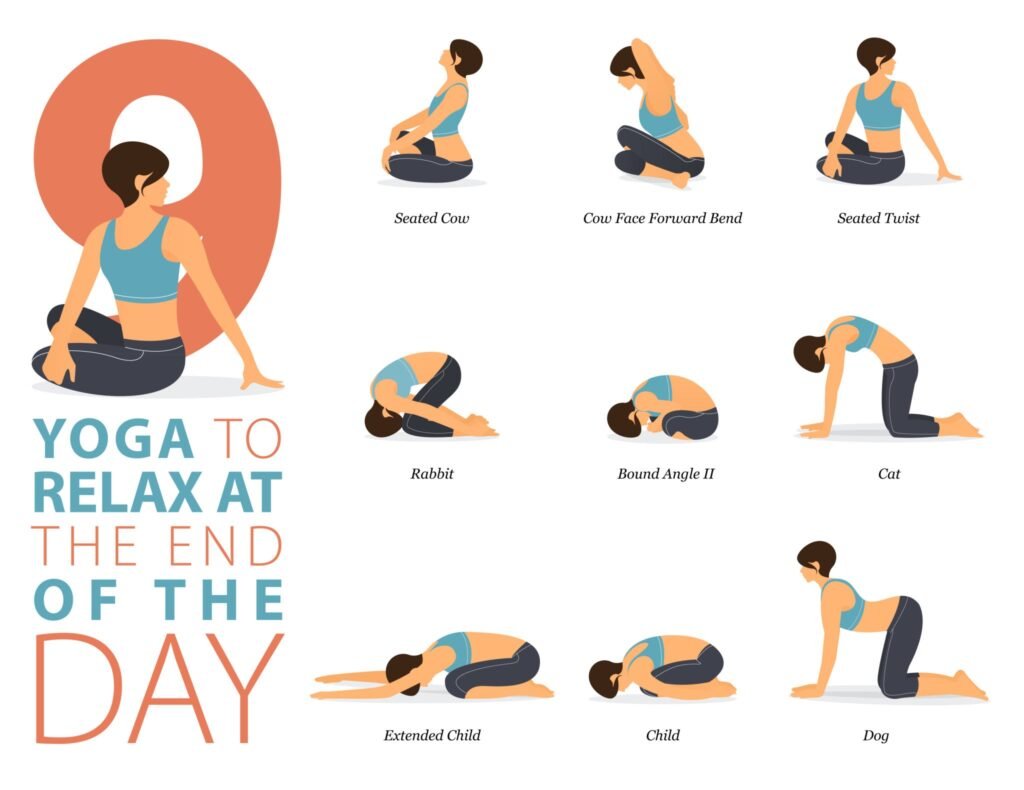
Flexibility is the most common concern and the least relevant factor in teacher training. A 200-hour YTT does not require you to put your foot behind your head. It requires you to understand how poses work, how to teach them safely, and how to support students at every level. Some of the most respected yoga teachers in the world cannot do an advanced backbend and never have.
Teacher training teaches you to teach. Not to perform.
“I will be the oldest person in the room.”
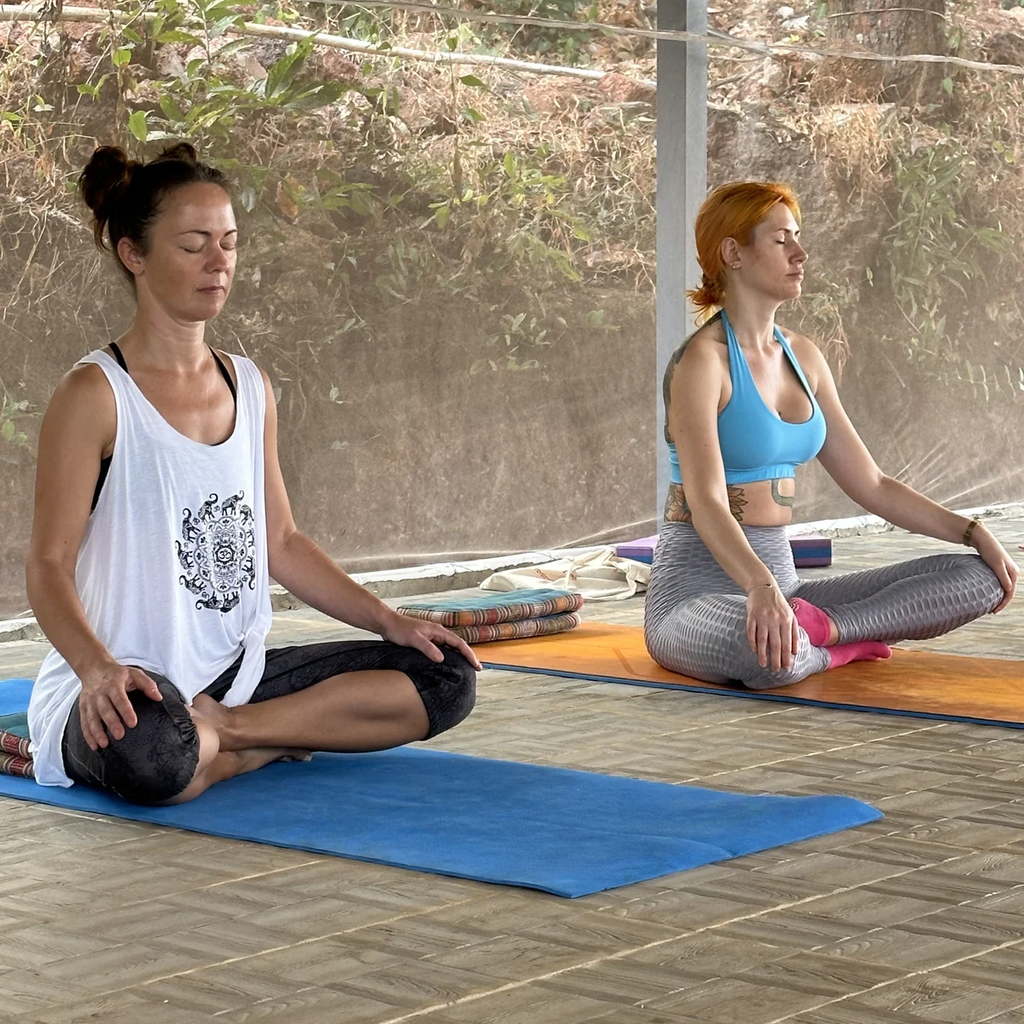
Sometimes yes. More often than not. In most residential programmes in Goa, cohorts include students from their mid-20s through to their late 50s. A mixed-age group is the norm, not the exception. The presence of students with more life experience almost always raises the quality of conversation in philosophy and anatomy sessions.
“My body cannot handle 21 days of intensive practice.”
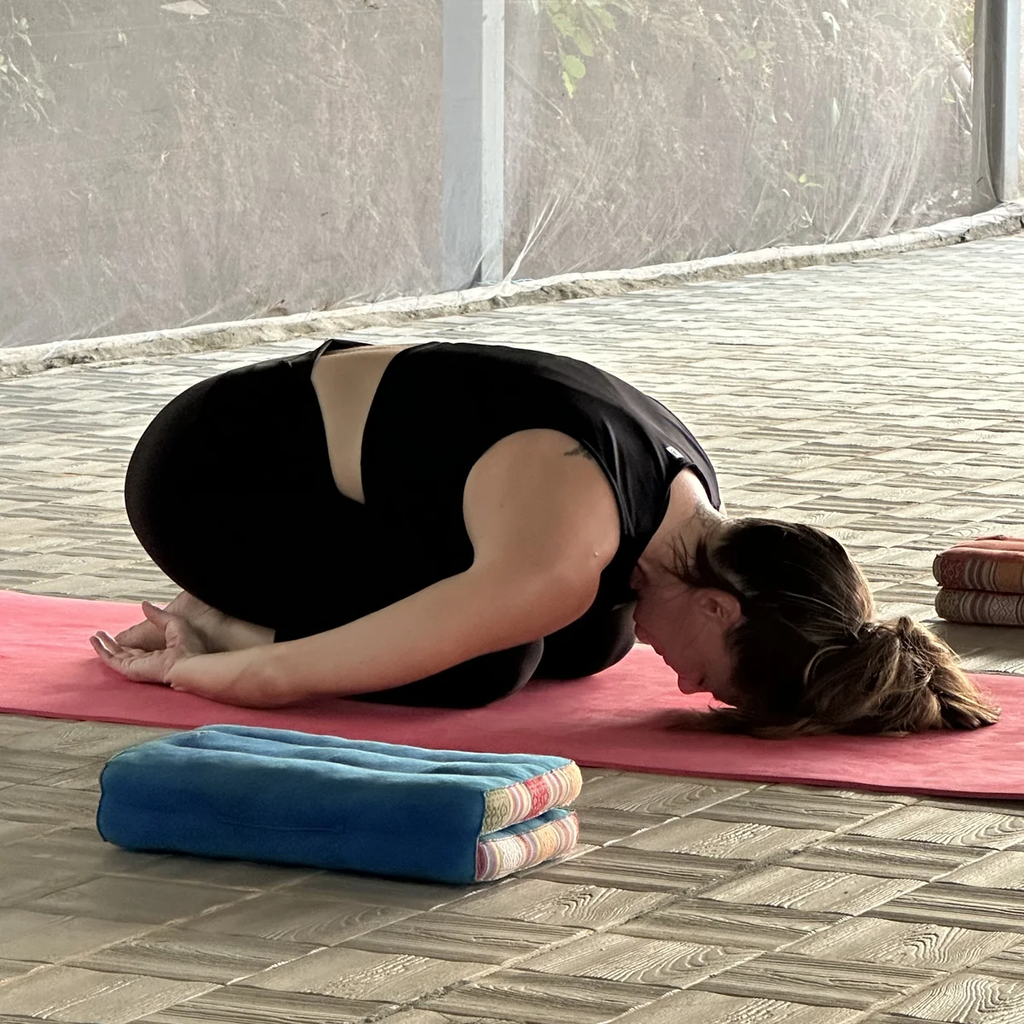
This is worth taking seriously, not to talk you out of training, but to help you choose the right programme. A good school adjusts. Modifications are taught as part of the curriculum, not as a last resort. A school that cannot accommodate an experienced practitioner with body awareness and a consistent practice is not the right school, regardless of age.
“I left it too late to build a career from this.”
Yoga teaching after 40 is not a career pivot that requires competing with 28-year-olds for studio slots. Many graduates over 40 teach specialist demographics: yoga for women in perimenopause, chair yoga for seniors, somatic yoga in therapeutic settings, corporate wellbeing programmes. These are areas where lived experience is a qualification in itself.
And for many people over 40 who enrol, teaching professionally was never the point. They came to understand their practice more deeply, to take dedicated time for themselves, and to experience something genuinely transformative. That is a valid reason. It is also far more common than schools typically say.
Why Being Over 40 Is Actually an Advantage
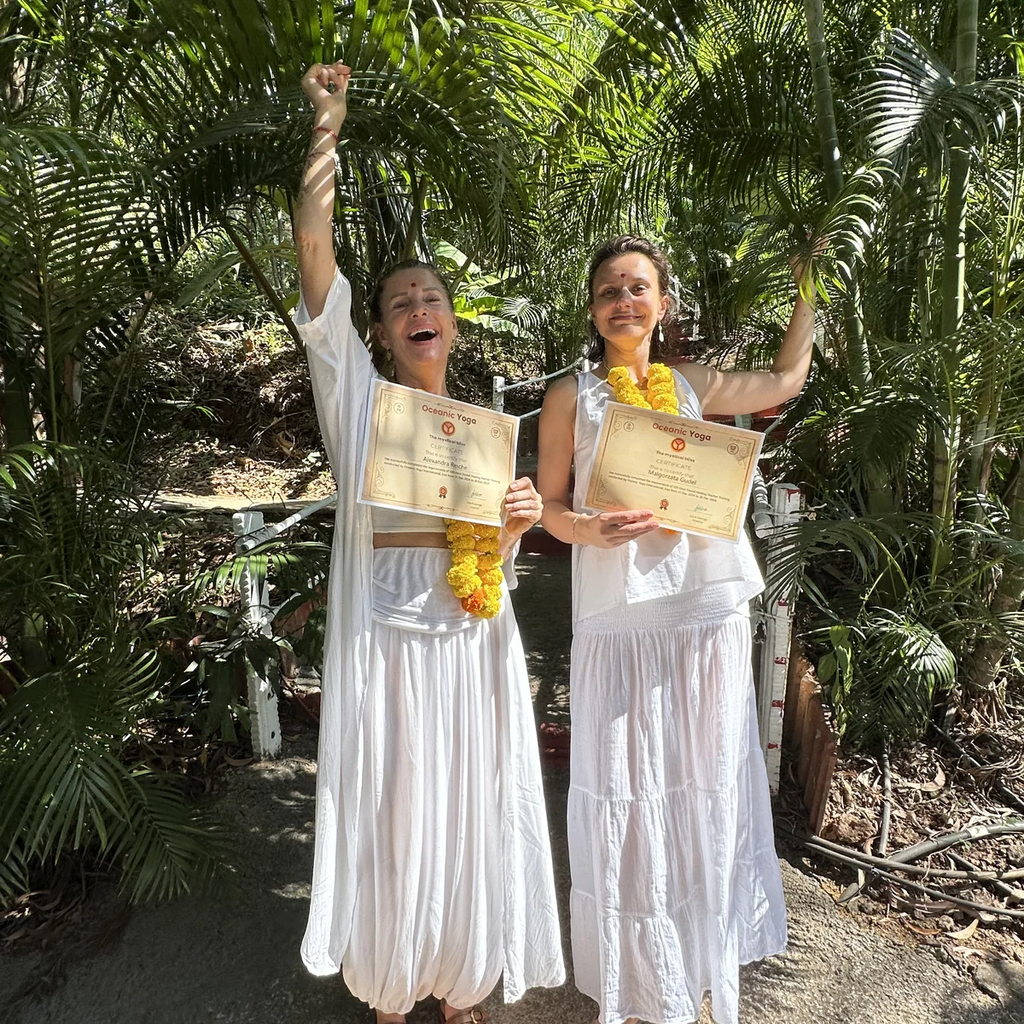
This is not consolation. It is genuinely true and backed by what graduates and teachers consistently report.
You know your body better.
Two decades of living in your body, navigating injuries, stress, illness, and recovery, gives you a kind of somatic intelligence that cannot be taught in a classroom. You already know the difference between discomfort that is productive and pain that is a signal to stop. New teachers in their 20s often have to learn this the hard way. You have already lived it.
You have real life experience to bring to the philosophy.
Yoga philosophy is not abstract theory. The Yoga Sutras, the concept of non-attachment, the practice of equanimity under pressure: these land differently when you have actually navigated loss, career change, relationship difficulty, and the transitions that 40-plus years of living inevitably bring. Students notice when a teacher speaks from genuine experience rather than a textbook.
You tend to be more intentional.
People who come to YTT after 40 are typically not filling time or following a trend. They have made a deliberate decision, often after years of practice and reflection. That intentionality shows up in how they study, how they teach, and how their students experience them.
You can teach the people who need yoga most.
The fastest-growing yoga demographic worldwide is adults over 40 managing chronic stress, navigating perimenopause or menopause, dealing with chronic pain, or seeking tools for mental health. A teacher who has personal experience of those realities is far better placed to serve them than someone who has never encountered them.
What to Look for in a Programme If You Are Over 40
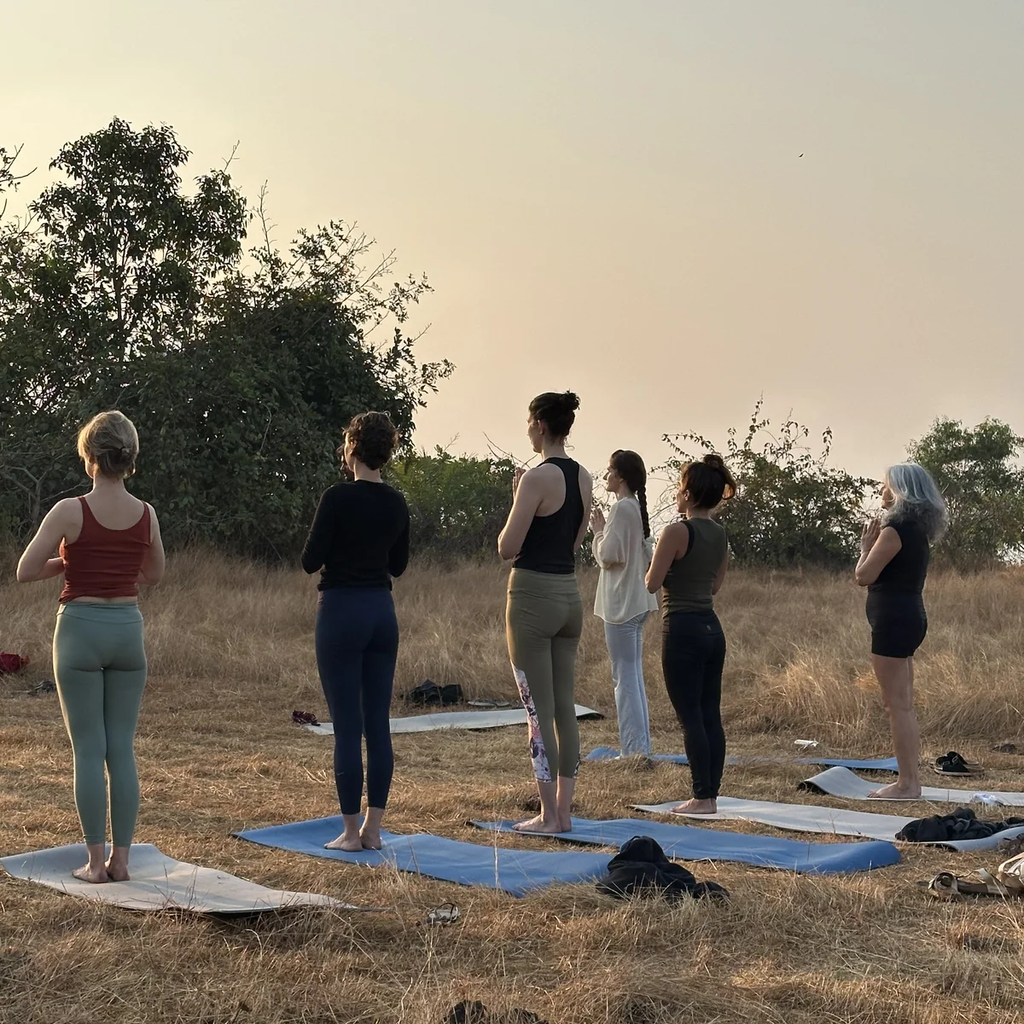
Not every YTT is equally suited to students later in life. Here is what actually matters when evaluating your options.
Small cohort size
This is important for everyone. It is especially important if you are over 40 and want genuine individual attention rather than being one of 30 students in a room where the teacher cannot watch your alignment. A cohort of 12 to 18 students means the faculty can actually see you, adjust your practice, and give you feedback that reflects your specific body and experience.
At Oceanic Yoga, every cohort is capped at 18 students. That limit is firm. See the 200-hour programme details here.
Trauma-informed and nervous system-aware curriculum
For students over 40, a curriculum that understands the nervous system is not a nice addition. It is foundational. Decades of accumulated stress, hormonal changes, and the physical reality of a body that has lived through more, all mean that yoga practice itself needs to be taught with more nuance, not less.
Oceanic Yoga integrates nervous system regulation and trauma-informed methodology throughout their curriculum. Their dedicated Nervous System Regulation and Trauma-Informed YTTC goes significantly deeper for those who want to specialise in this area.
Experienced faculty, not just certified faculty
There is a difference between a teacher who completed 200 hours recently and one who has been teaching for 15 or 20 years. For students over 40, experienced faculty matters because they have seen a wider range of bodies, injuries, life situations, and learning styles. They are better equipped to support a student who comes with more history.
Oceanic Yoga has been running programmes since 2007. Their lead teachers hold E-RYT 500 status, the highest level Yoga Alliance recognises. See the About page for full faculty details.
A location that supports recovery
21 to 28 days of intensive twice-daily practice is demanding. Where you recover between sessions matters. A noisy, busy environment makes quality sleep difficult. A quieter, natural setting supports the kind of rest that makes intensive training sustainable.
The Oceanic Yoga campus sits above the sea in Morjim, North Goa, set among mango and banana trees, away from tourist infrastructure. Full details are on the Campus page.
Flexible programme options
Life over 40 often means more commitments, not fewer. If a full 21-day residential immersion is not possible right now, look for a school that offers hybrid or online options taught by the same faculty to the same standard.
Oceanic Yoga offers a Hybrid 200-hour YTTC and a fully online 200-hour programme for students who need flexibility without sacrificing quality.
What Graduates Over 40 Go On to Do
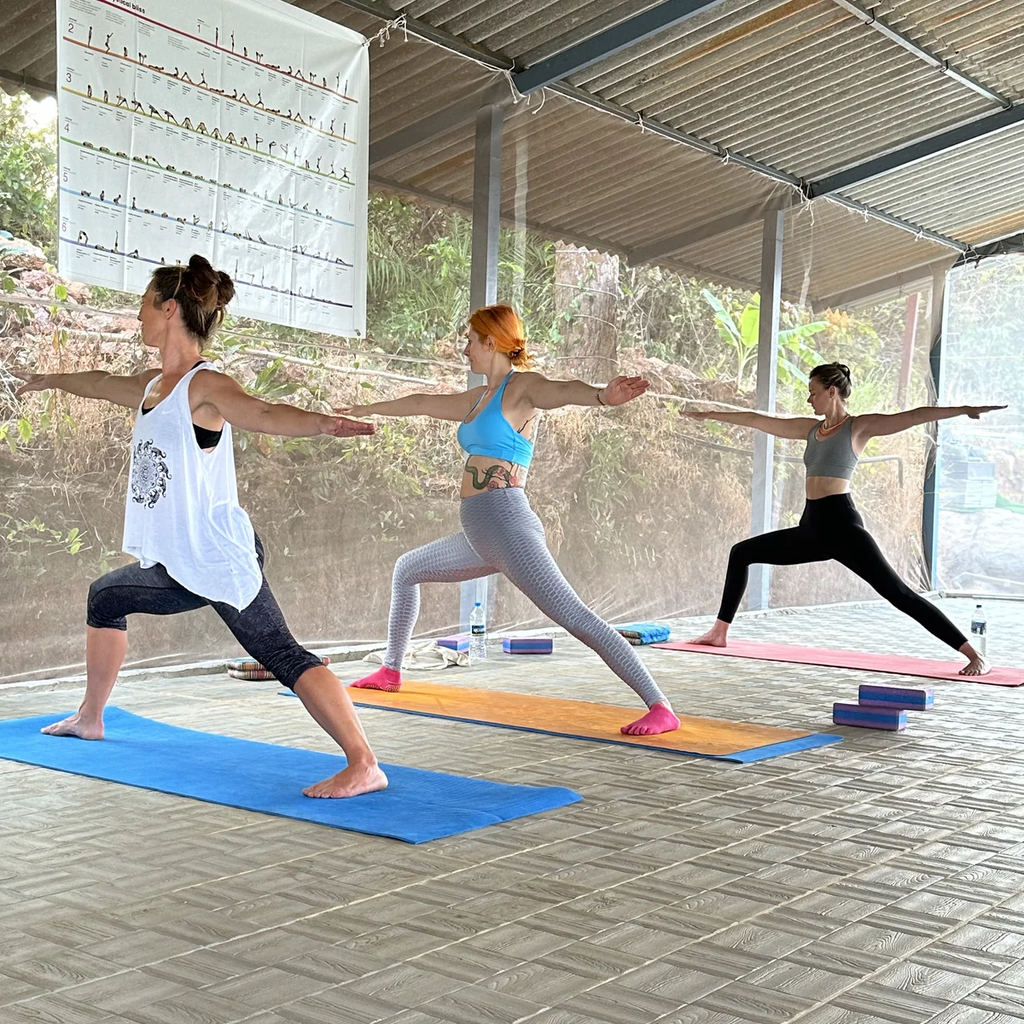
The paths are more varied and more interesting than the standard teaching career narrative suggests.
Teach specialist classes for their own demographic Yoga for women over 40, yoga for perimenopause and menopause, yoga for stress recovery and burnout. These are underserved audiences with real need and growing demand.
Add yoga to an existing professional practice Therapists, coaches, physiotherapists, social workers, and healthcare professionals regularly use YTT to add somatic and movement-based tools to their existing work. The yoga qualification is not a career change. It is a skill addition that deepens what they already do.
Teach in community and charitable settings Yoga in prisons, schools, hospices, and mental health settings. This work tends to attract people who bring more life experience and emotional range to the room. Schools that produce trauma-informed graduates are especially well placed for this.
Simply deepen their own practice And for many, no teaching at all. The training itself was the point. The understanding of the body, the philosophy, the 21 days of dedicated practice in a supportive environment. That was enough. That was the return.
A Note on the Physical Side
A 200-hour YTT is physically demanding. That is true at any age. But demanding does not mean inaccessible.
Good programmes are built around intelligent sequencing, adequate rest, and the understanding that yoga practice is not about pushing to physical limits. The teachers working with you every day in a small cohort will see how your body moves, notice when you need modification, and support you in building a sustainable practice rather than an impressive one.
If you have a specific injury or health consideration, the right approach is to contact the school before you enrol, have a direct conversation, and make a decision based on what they tell you. A school worth attending will welcome that conversation.
You can reach the Oceanic Yoga team directly through the Apply Now page or by emailing contact@oceanicyoga.com.
Ready to Take the Next Step?
Yoga teacher training is not reserved for the young, the flexible, or those with a decade of daily practice behind them. It is open to anyone who is committed, curious, and willing to show up fully for 21 days.
If you are over 40 and considering it, the question is not whether you can do it. The question is which programme will serve you best.
FAQs
1. Is 40 too old for yoga teacher training?
No. 40% of all yoga teachers are aged 40 and above, making it the single largest age group in the profession. Many graduates who start in their 40s, 50s, and even 60s become some of the most effective teachers precisely because of the life experience they bring.
2. Do you need to be flexible to do YTT?
No. Teacher training teaches you to teach yoga, not to perform advanced postures. The curriculum covers alignment, modifications, sequencing, philosophy, anatomy, and teaching methodology. Flexibility is one physical quality among many and it is not a prerequisite for certification.
3. Is a 200-hour YTT physically too demanding for someone over 40?
It depends on the programme and the person. A well-run programme with small cohorts, experienced faculty, and a curriculum that includes modifications and rest is manageable for a committed practitioner in their 40s, 50s, or beyond. If you have a specific health consideration, speak to the school directly before enrolling. Oceanic Yoga welcomes those conversations through their Apply Now page.
4. What can a yoga teacher over 40 specialise in?
Some of the highest-demand specialisations right now are directly suited to teachers with life experience: yoga for perimenopause and menopause, yoga for chronic stress and burnout recovery, trauma-informed yoga, chair yoga for seniors, and somatic yoga in therapeutic settings. Oceanic Yoga’s Nervous System Regulation and Trauma-Informed YTTC is a natural next step for teachers who want to work in these areas.
5. Can you do YTT without planning to teach?
Yes. A significant proportion of students who enrol have no intention of ever teaching a class. They come to deepen their own practice, understand yoga philosophy at a serious level, or take dedicated time for personal transformation. Most schools welcome this openly.
6. Does Oceanic Yoga have students over 40?
Yes. Cohorts at Oceanic Yoga consistently include students across a wide age range. The small cohort size of 18 students means the teaching faculty can give real individual attention to every student regardless of age, experience level, or physical starting point.