 Skip to main content Skip to footer
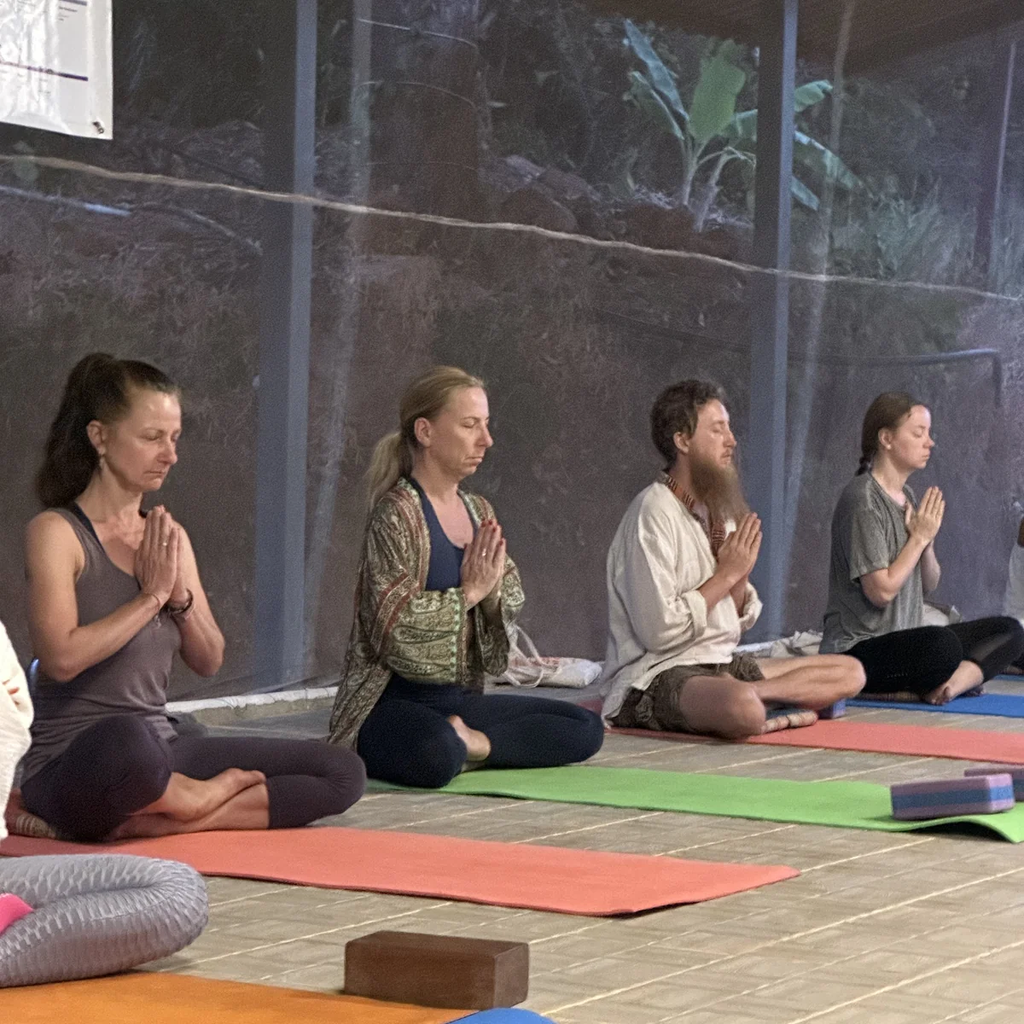
A typical day at a 200-hour yoga teacher training in Goa runs from early morning to early evening. It usually includes morning breathwork and asana, a hearty meal, anatomy and philosophy classes, teaching practice, and a calm evening session. Most schools give you one rest day each week. It’s full, but it’s built with breaks, so you’re learning deeply without burning out.
If you’re thinking about booking a training session and wondering, “What will I actually do all day?”, this guide walks you through it hour by hour, then week by week.
Why 200 Hours Feels So Full
A 200-hour training packs a lot into about three to four weeks. That means most days include six to eight hours of structured learning, split into short blocks with meals and rest in between. It’s more like a gentle boot camp for your mind and body than a holiday, and that’s exactly why it works.
A Typical Daily Schedule
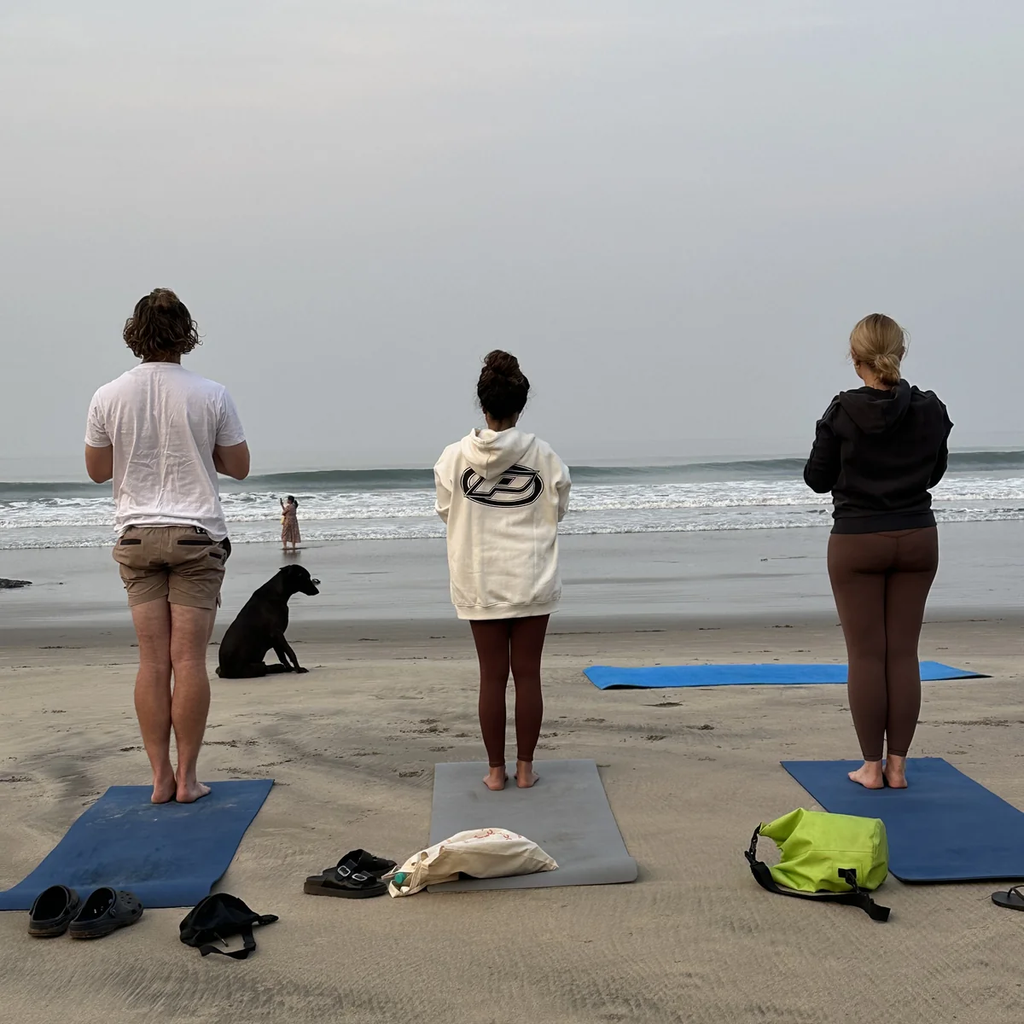
Timings change from school to school, but most days follow a rhythm like this:
| Time | What Happens |
| Early morning | Wake up, tea or warm water, quiet time |
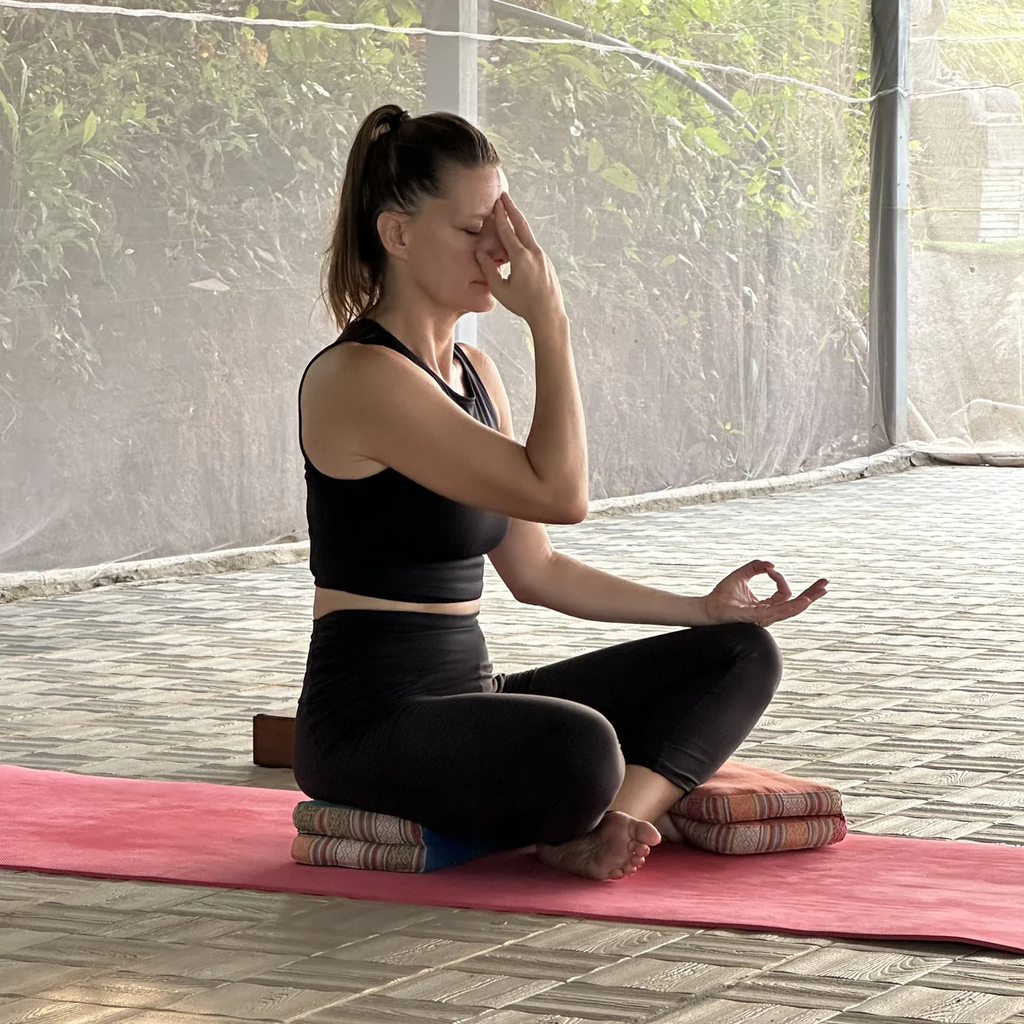
| Morning practice | Pranayama (breathwork), meditation, then a full asana class |
| Late morning | Light, fresh breakfast |
| Mid morning | Yoga philosophy or anatomy class |
| Afternoon | Lunch, then rest or self study |
| Late afternoon | Teaching methodology, alignment, and practice teaching |
| Early evening | Gentle yoga, yin, or a restorative session |
| Evening | Dinner, free time, journaling, early sleep |
Morning Practice: Where the Day Begins
Mornings are usually the most physical part of the day. You start with breathwork and meditation to settle the mind, then move into asana. It’s the time you practice as a student, before you learn to teach.
Midday Classes: The Theory Side
This is where you learn the “why” behind the poses. Expect anatomy (how the body moves), yoga philosophy (the ideas behind the practice), and how to sequence a class so it flows well.
Afternoon Teaching Practice: Where It Gets Real
This is often my favorite part. You practice cueing, demonstrating, and leading small groups, then get kind, useful feedback from your teachers and fellow students. Small batches make this far more valuable, because everyone gets real time in front of the group.
Evening: Slow Down
Evenings are usually softer. A restorative class, a short meditation, or simply time to eat, rest, and process what you learned. Many students say the quiet evenings by the sea are what make Goa so special for training.
Week by Week: How the Course Builds
Week 1: Foundations. You settle in, learn the basics of alignment, and get used to the daily rhythm. Your body may feel tired and your mind full. That’s normal.
Week 2: Going Deeper. You move into anatomy, philosophy, and sequencing. Poses start to feel more natural, and you begin thinking like a teacher, not just a student.
Week 3: Teaching Practice. You lead more of the sessions yourself. Confidence grows quickly here, and so does your voice.
Final days: Assessment and Graduation. You wrap up with practice teaching, a review of what you’ve learned, and your certificate ceremony.
Food, Rest, and Free Time
- Meals: Most training serves fresh vegetarian, or sattvic, meals designed to keep you light and energized.
- Rest day: Most schools give one day off per week. Many students use it for the beach, a local cafe, or a quiet nap.
- Sleep: Early nights are your best friend. Long days feel easy when you’re rested.
What Makes Goa Different
Goa gives you a training that feels balanced. Instead of a strict monastic pace, you get sea air, easy walks, and calm evenings that help everything you learn actually sink in. In a quiet area like Morjim, you’re close to the beach without being in the middle of a party crowd. If you’re weighing this against other destinations, our guide to Goa vs Rishikesh for yoga teacher training breaks down the differences.
Will I Get Tired? (Honest Answer)
Yes, a little, especially in the first week. Your body is doing more yoga than it’s used to, and your brain is taking in a lot. The good news is that the schedule is designed to support you, with meals, rest, and lighter evening sessions. Most students say the tiredness fades by week two and turns into energy.
If you’re curious about a more gentle, mindful way of teaching that pays attention to how students feel and respond, you might like our Nervous System Regulation & Trauma-Informed Yoga Teacher Training in Goa.
Ready to Join a Training in Goa?
At Oceanic Yoga International, we run Yoga Alliance certified trainings in Morjim, North Goa, with small batches so you get real attention and real feedback every single day.
👉 See the 200-Hour Yoga Teacher Training and upcoming dates
👉 Explore the 300-Hour Advanced Training
👉 Ask us about the daily schedule
FAQs
1. What is the daily schedule at a yoga teacher training?
Most days start early with breathwork and asana, followed by philosophy or anatomy classes, teaching practice in the afternoon, and a gentle session in the evening. Meals and rest breaks are built in between.
2. How many hours a day is yoga teacher training?
A 200-hour course usually includes about six to eight hours of structured learning a day, spread across the day with breaks for meals and rest.
3. Do I get a day off during yoga teacher training?
Most schools give one rest day per week, so you can recharge, explore, or simply relax.
4. Is yoga teacher training physically hard?
It can feel demanding at first, especially in week one. But classes are taught in stages, and you can adjust poses to your level. Most students feel stronger and more energized by the second week.
5. Do I need to be flexible or advanced to join?
No. A 200-hour training welcomes beginners and experienced students alike. You’ll build strength, flexibility, and confidence as you go.
6. What if I can’t keep up with the schedule?
Good schools support you with modifications, rest options, and one-on-one guidance. Speak up early and your teachers will help you find your pace.
