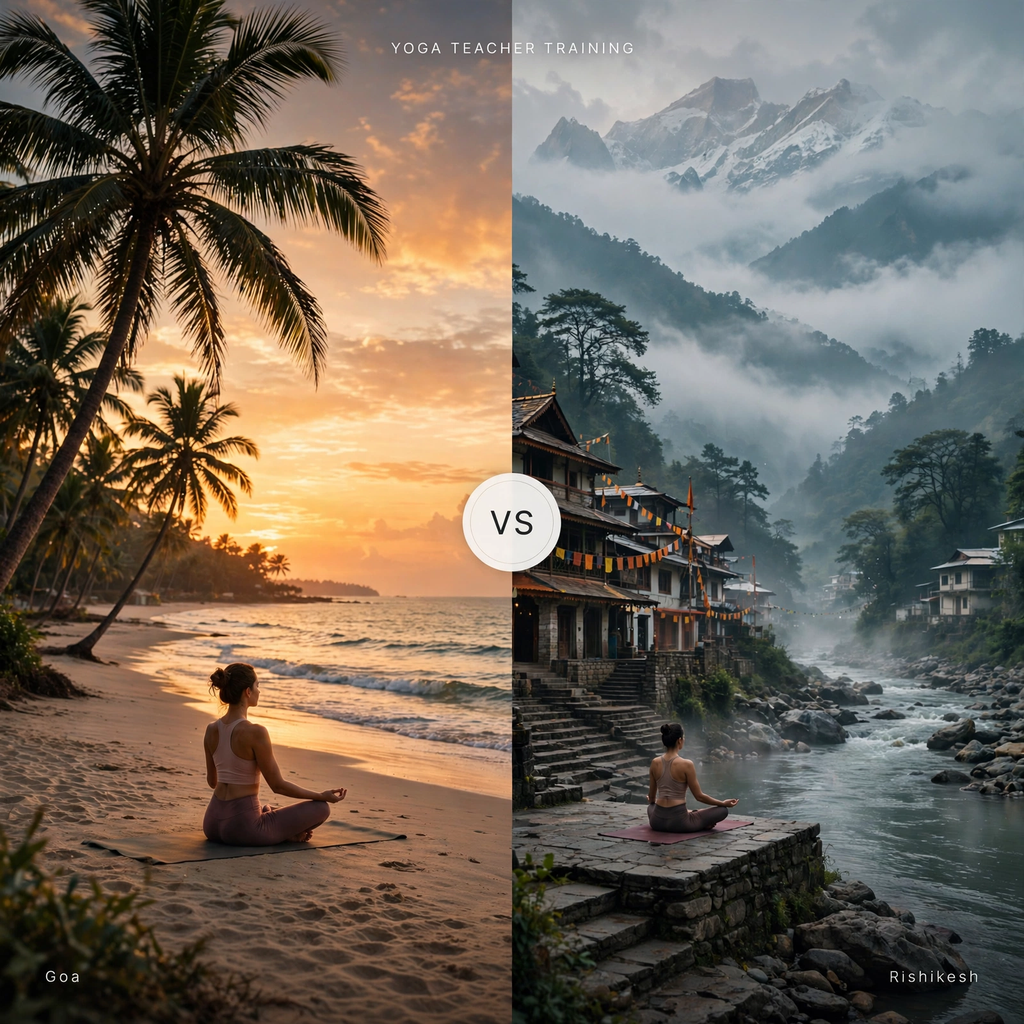
Both Goa and Rishikesh are excellent, well-established places to complete a Yoga Alliance certified teacher training in India. Rishikesh offers a traditional, ashram-style, spiritually intense atmosphere in the Himalayan foothills. Goa offers a more relaxed, beach based experience with a milder pace between sessions, often described as feeling like a retreat rather than a strict ashram schedule. Neither is objectively “better,” it comes down to the kind of experience you actually want.
If you’ve narrowed your yoga teacher training search down to India, you’ve almost certainly landed on these two names. Here’s an honest, side by side look to help you decide.
Goa vs Rishikesh at a Glance
| Goa | Rishikesh | |
| Setting | Coastal, beach based, laid back villages like Morjim | Himalayan foothills, on the banks of the Ganges |
| Atmosphere | Relaxed, retreat-like, blends practice with beach time | Traditional, ashram-style, spiritually intense |
| Weather | Warm, tropical, best October to March | Cooler in the hills, pleasant most of the year, hot in peak summer |
| Typical crowd | Mixed international crowd, more laid back social scene | Large concentration of dedicated yoga and spiritual seekers |
| Cost | Generally similar, sometimes slightly higher at the premium end | Generally similar, sometimes slightly lower at the budget end |
| Extras nearby | Beaches, cafes, evening walks by the sea | Ganga Aarti ceremony, ashrams, Himalayan trekking |
What Makes Rishikesh Popular
Known globally as the “Yoga Capital of the World,” Rishikesh has built its reputation over decades as a hub for ashrams, spiritual seekers, and traditional yoga lineages. Training here often means an early, structured, ashram-style schedule, the sound of the Ganges nearby, and a strong sense of being immersed in yoga’s traditional roots. It suits students who want an intense, focused, spiritually-driven environment with fewer distractions.
What Makes Goa Popular
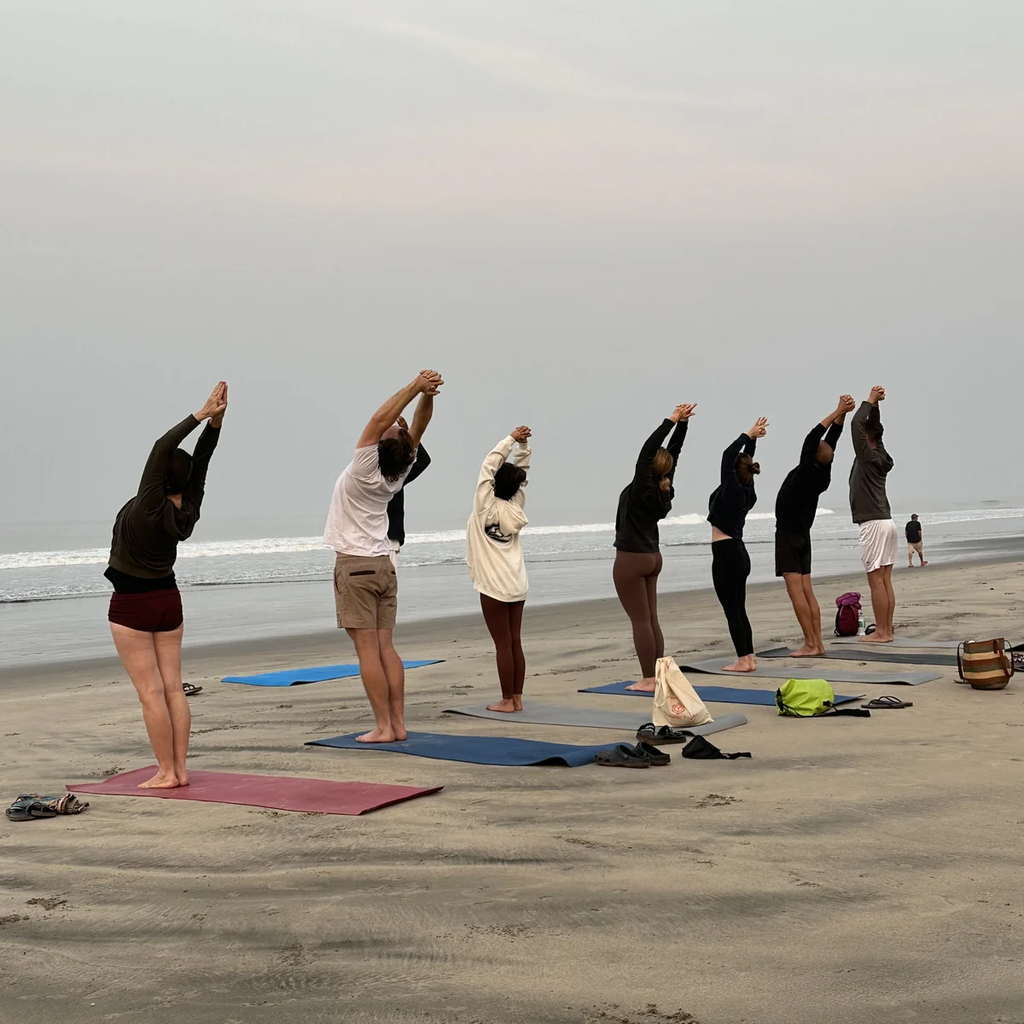
Goa offers a genuinely different rhythm. Training happens against a backdrop of beaches, palm trees, and a much more relaxed daily pace. Many students specifically choose Goa because it lets them combine serious, Yoga Alliance certified training with downtime that actually feels restorative, not just structured. It suits students who want their YTT to feel like a transformative retreat, with room to breathe between sessions, rather than a purely monastic experience.
Weather: A Real Factor to Consider
Weather affects your day to day experience more than most people expect going in.
- Goa is warm and tropical, with the best training window from late October through March. Outside that window, heat, humidity, or monsoon rain can affect outdoor practice. See our full season guide for yoga teacher training in Goa for a month by month breakdown.
- Rishikesh sits in the Himalayan foothills, so it’s generally cooler and pleasant for most of the year, though peak summer months can get quite hot in the valley.
Cost: How Similar Are They Really?
Pricing across both destinations is broadly comparable for a similar quality of training. Rishikesh sometimes edges slightly cheaper at the very budget end, largely due to a higher concentration of ashram-style, no-frills schools. Goa’s premium and beachfront options can run a bit higher, but standard and mid-range pricing is very close between the two. If you want exact numbers, our 200-hour YTT cost guide breaks down what to expect by package type.
Which One Should You Actually Choose?
- Want a traditional, spiritually intense, ashram-style experience? Rishikesh is built for this.
- Want serious training that still feels restorative, with beach time and a slower pace? Goa is the better fit.
- Care about weather comfort during your exact travel dates? Check both destinations’ seasons against your planned dates before booking either.
- Want a quieter, less touristy corner of Goa specifically? Morjim, in North Goa, is known for being calmer than the more party-focused beaches nearby, while still being close to everything.
- Interested in trauma-informed or nervous system focused teaching? That’s a specific curriculum choice more than a location choice. See what to look for in our trauma-informed yoga teacher training checklist.
There’s no wrong answer here. Thousands of well-trained, working yoga teachers have come out of both places. What matters more than the city is the specific school: its batch size, its teachers, and whether the certification is genuinely Yoga Alliance registered.
Train in Goa With Oceanic Yoga International
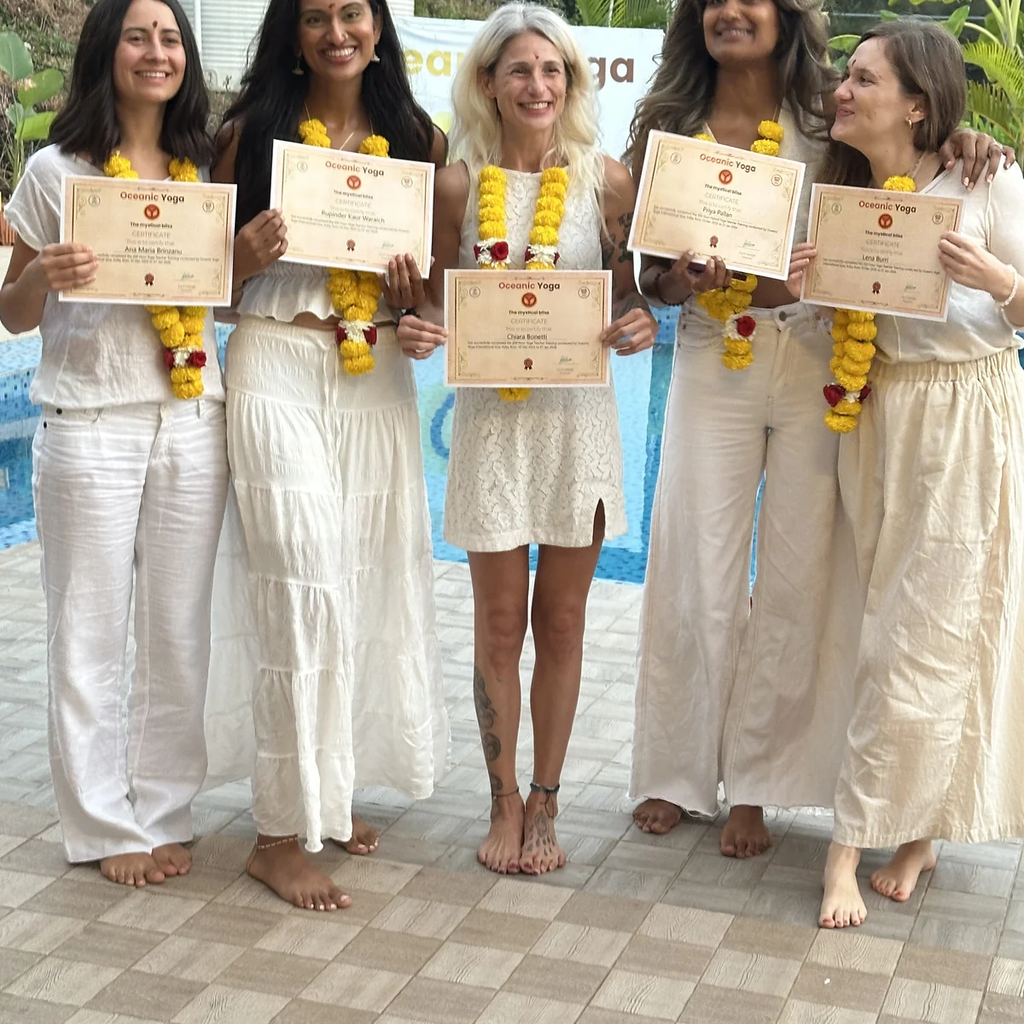
If Goa’s slower pace and beach setting sound like the right fit for you, Oceanic Yoga International runs Yoga Alliance certified 200-hour and 300-hour training sessions in Morjim, North Goa, a quiet, beach-close stretch of coast that keeps the party crowds at a distance.
👉 See our 200-Hour Yoga Teacher Training dates and details
👉 Explore our 300-Hour Advanced Training
👉 Have questions about which path fits you? Get in touch
FAQs
1. Is Goa or Rishikesh better for yoga teacher training?
Neither is objectively better. Rishikesh offers a traditional, ashram-style, spiritually intense experience in the Himalayan foothills. Goa offers a more relaxed, beach based experience with a slower pace. The right choice depends on what kind of environment helps you train and learn best.
2. Is yoga teacher training cheaper in Rishikesh or Goa?
Pricing is broadly similar. Rishikesh can be slightly cheaper at the budget end, while Goa’s premium and beachfront packages tend to sit a bit higher, but standard pricing is close between the two.
3. Which is more beginner friendly, Goa or Rishikesh?
Both welcome complete beginners. Rishikesh may suit those wanting a more structured, traditional environment, while Goa may suit those who want a gentler introduction with a more relaxed daily rhythm.
4. Is the Yoga Alliance certification the same regardless of location?
Yes. A Yoga Alliance RYS 200 or RYS 300 registered school issues the same internationally recognized certification whether the school is in Goa, Rishikesh, or anywhere else, as long as the school is genuinely registered.
5. What’s the best time of year to train in Goa compared to Rishikesh?
Goa’s best training window is late October to March, avoiding the hot, humid pre-monsoon months and the monsoon itself. Rishikesh is generally comfortable for most of the year due to its cooler hill climate, though peak summer can get hot.
6. Can I do a 200-hour in one city and a 300-hour in another?
Yes, as long as both schools are Yoga Alliance registered, your 200-hour certification is recognized anywhere, and you can complete your 300-hour at a different school or location afterward.